
Embark on a journey to the heart of Peru with Sacred Valley and Machu Picchu tours. These iconic destinations offer a blend of history, culture, and breathtaking landscapes, ideal for unforgettable Machu Picchu trips.
The Sacred Valley is a treasure trove of ancient ruins and vibrant Andean villages. It’s a place where the past meets the present in a stunning natural setting. Many Sacred Valley tours include local markets, terraces, and village experiences.
Machu Picchu, a UNESCO World Heritage site, stands as a testament to Inca ingenuity. Its mystical allure draws travelers from around the globe.
Planning your visit requires careful consideration of time and itinerary. Tours can range from a quick two-day trip to an immersive week-long adventure. If you’re wondering how long should i plan for a tour of the sacred valley and machu picchu?, the itineraries below break down popular options.
The best time to explore is during the dry season, from May to October. This ensures optimal weather for trekking and sightseeing.
Cusco serves as the gateway to these wonders, offering a rich cultural experience. Acclimatizing to its altitude is essential before venturing further. Many Sacred Valley Peru tours and routes begin here.
Whether you’re seeking adventure or cultural immersion, these tours promise unforgettable memories. Many Machu Picchu and Sacred Valley tours can be tailored to your pace. Prepare to be captivated by the magic of Peru.
Why Visit the Sacred Valley and Machu Picchu?
A tour to Sacred Valley and Machu Picchu offers a glimpse into the heart of the ancient Incan civilization. This region is rich with cultural heritage and stunning landscapes.
The Sacred Valley is famed for its picturesque views and ancient ruins. Here, you can explore traditional Andean villages, each with its unique charm.
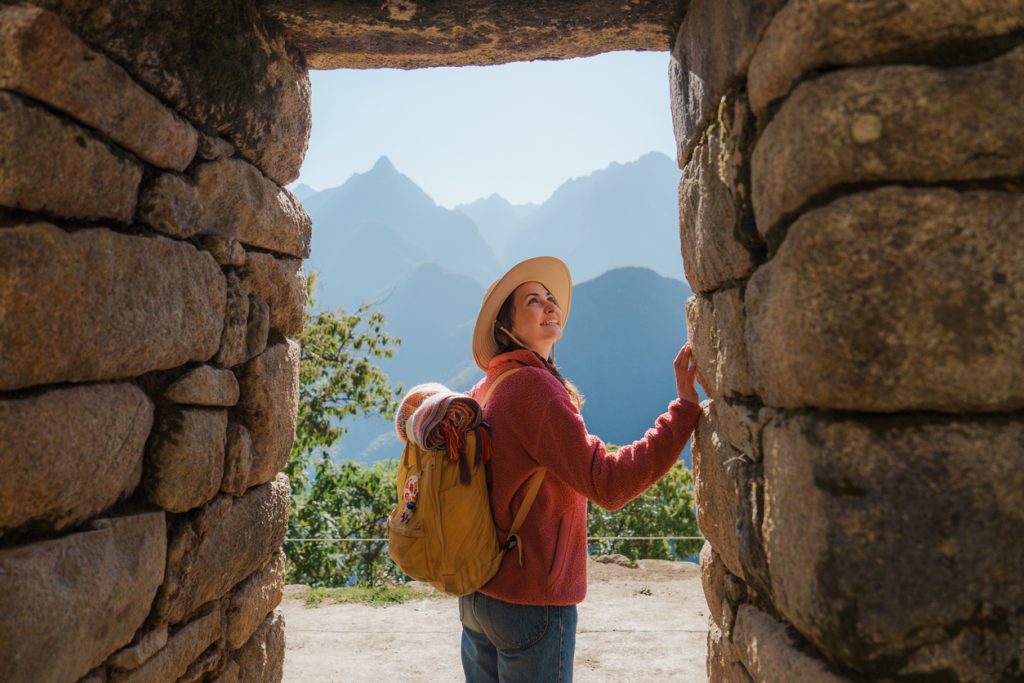
Machu Picchu, perched on a mountain ridge, is a marvel of ancient engineering. Its significance extends beyond its architectural splendor, echoing stories of a great empire.
Touring this area immerses you in the vibrant local culture. From colorful markets to traditional crafts, there’s much to experience and learn.
Witnessing the sunrise over Machu Picchu is a memory that lasts a lifetime. It’s a moment where history, nature, and beauty converge.
Consider these reasons to visit:
- Explore ancient ruins and breathtaking landscapes
- Discover vibrant local culture and traditional crafts
- Experience the awe-inspiring sunrise over Machu Picchu
Consider starting with a tour to Sacred Valley before continuing to Machu Picchu.
Whether you’re an adventure seeker or a history enthusiast, this journey will captivate your imagination and leave a lasting impression.

How Long Should I Plan for a Tour of the Sacred Valley and Machu Picchu?
Planning the right length for your tour to the Sacred Valley and Machu Picchu depends on your interests. Most tours typically last between 2 to 7 days.
A 2-day tour allows you to see the highlights, but it might feel rushed. You’ll visit major sites with limited time for exploration.
A 4-day itinerary provides a more in-depth experience. This schedule lets you enjoy both the main attractions and some lesser-known spots.
For those seeking a comprehensive adventure, 5 to 7 days is ideal. This duration offers ample time to delve into the cultural and natural wonders of the region.
Consider these options when planning:
- 2-Day Tour: Quick highlights, major sites only
- 4-Day Tour: Balanced exploration, immersive experience
- 5-7 Day Tour: Comprehensive journey, cultural deep dive
Each tour length offers unique experiences. Choose according to your interests, time availability, and desired level of immersion.

Best Time to Visit: Seasons and Weather
The Sacred Valley and Machu Picchu boast distinct seasons influencing travel experiences. The dry season, from May to October, offers ideal weather. Clear skies during this period enhance panoramic views.
Temperatures during the dry season are mild, but nights can be chilly. Bring layers to stay comfortable. This is the busiest time for tourism, so book accommodations in advance.
The wet season runs from November to April. During this time, expect frequent rains and lush landscapes. Some trails may be muddy and challenging to navigate.
Each season presents unique opportunities. Whether you prefer the vibrant greenery of the wet season or the sunny days of the dry season, here’s what to consider:
- Dry Season (May-October): Best for clear views, more tourists
- Wet Season (November-April): Green landscapes, fewer tourists
Plan according to your weather preferences and desired experience.

Getting There: Transportation and Entry Points
Traveling to the Sacred Valley and Machu Picchu involves a few key starting points. Most travelers begin their journey from Cusco, Peru’s historic city and the gateway to these iconic sites. Many Sacred Valley Peru tours begin in Cusco and include seamless transfers.
Flights to Cusco from Lima or international gateways are frequent. Once in Cusco, tourists often take a train or bus to reach the heart of the Sacred Valley. Trains to Machu Picchu depart from either Ollantaytambo or Poroy, offering a scenic journey through Andean landscapes.
Buses and private transfers provide flexibility for exploring the valley’s smaller towns. For those seeking adventure, trekking routes like the Inca Trail also serve as entryways to Machu Picchu. These require advance planning and permits.
Here are some transportation options to consider:
- Train: From Ollantaytambo or Poroy
- Bus: Accessible from Cusco
- Trekking: Inca Trail or alternative treks
Decide based on your schedule and preferred travel style. Each offers its own unique experience.
Acclimatization and Health Tips for High Altitude
High altitudes can be challenging for travelers. Cusco and the Sacred Valley are at considerable elevations, requiring some adjustment. Cusco sits over 11,000 feet above sea level, which can lead to altitude sickness.
To acclimatize, spend a few days in Cusco before heading into the Sacred Valley and Machu Picchu. This helps your body adjust to the altitude and lessens the risk of sickness.
Stay hydrated and avoid strenuous activities initially. Coca tea, a local remedy, can also ease symptoms of altitude discomfort. It’s available in most hotels and is worth a try.
Here are some health tips to consider:
- Rest and avoid exertion during the first days.
- Drink plenty of water to stay hydrated.
- Consume coca products for relief.
Taking these precautions ensures a more enjoyable trip to these incredible destinations.
Top Highlights of the Sacred Valley
The Sacred Valley is a treasure trove of Inca history and culture. Rich in vibrant landscapes, it offers an array of experiences for every traveler. Each location within the valley has its unique charm and historical significance. Many Sacred Valley Peru tours combine these highlights with cultural stops.
Begin your journey with Pisac, known for its impressive Inca ruins. Its vibrant market offers cultural insight through local crafts and foods. This blend of history and culture makes Pisac a favorite stop.
Ollantaytambo, a town that feels frozen in time, is next. This living Inca town is famed for its well-preserved architectural sites. It’s a place where you can walk the same streets the Incas once trod.
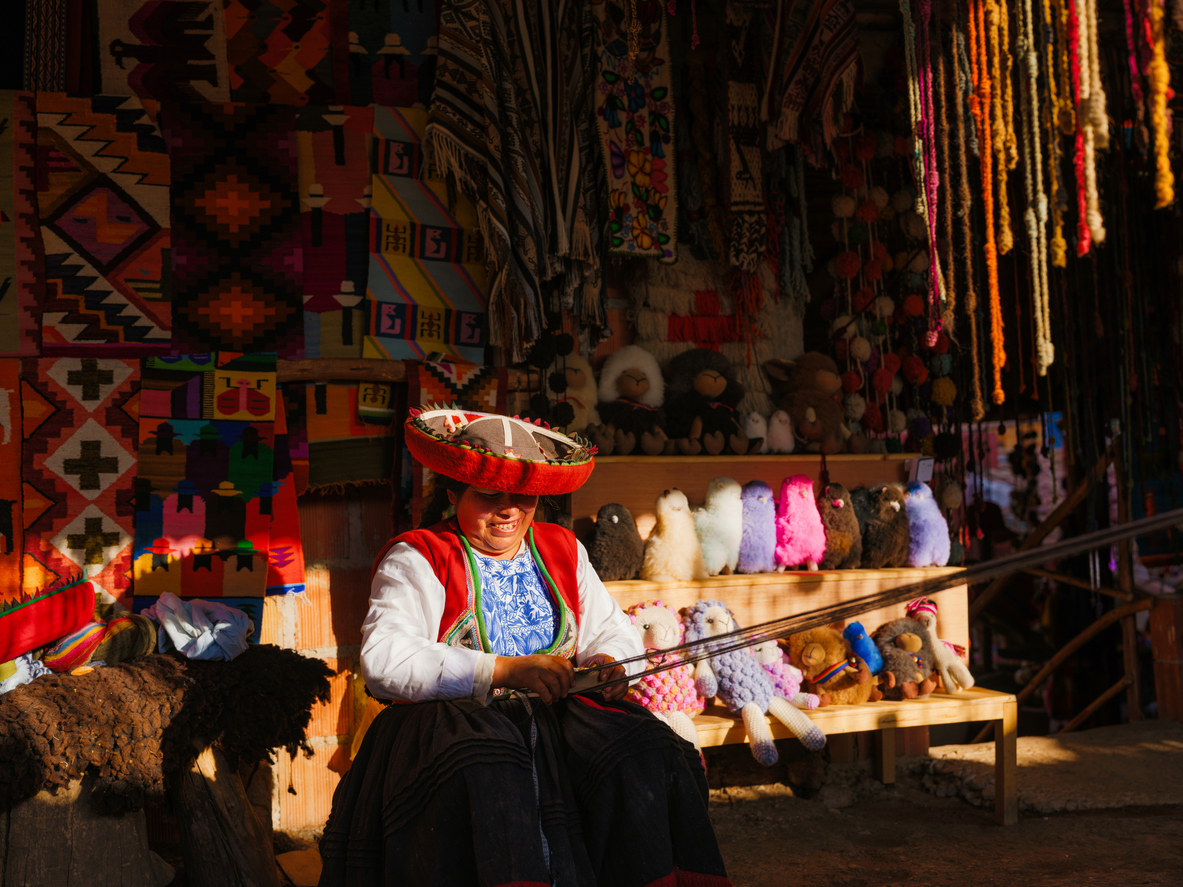
Don’t miss Chinchero, a quaint village renowned for its traditional weaving techniques. It offers a window into Andean culture and artistry. Here, you’ll find colorful textiles and welcoming artisans.
Highlights of the Sacred Valley include:
- Pisac’s archaeological sites and bustling market
- Ollantaytambo’s historic charm and living history
- Chinchero’s weaving workshops and cultural depth
Engage with locals to understand the profound cultural heritage. Embrace each location’s distinct way of storytelling through architecture and art. The Sacred Valley is a realm where history lives and breathes.
Pisac: Ruins and Market
Pisac is famed for its strikingly beautiful archaeological ruins. Situated in a breathtaking mountain setting, these ruins offer a glimpse into the sophisticated Inca engineering. Exploring them, you’ll uncover terraced hillsides and ancient temples.
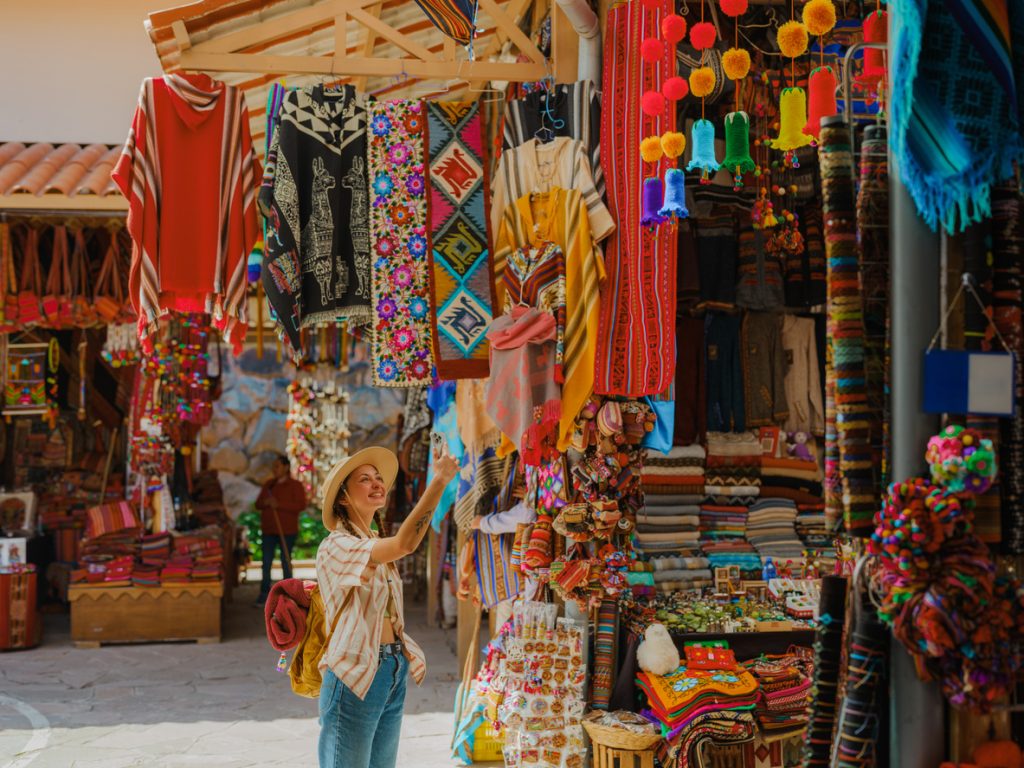
The town itself hosts a vibrant local market. It thrives with colorful stalls and friendly vendors. Here, you can find traditional Andean crafts and delicious regional foods.
Visiting Pisac combines cultural learning with market exploration. It’s a unique opportunity to engage with Andean culture. From stunning landscapes to local crafts, it’s a site not to be overlooked.

Ollantaytambo: Living Inca Town
Ollantaytambo is a remarkable testament to Inca history. The town’s massive stone structures display exemplary engineering skills. Its architecture speaks volumes of its storied past.
Wandering the cobbled streets, you’ll feel transported back in time. The ancient dwellings remain inhabited, adding a layer of living history. Each corner of Ollantaytambo reveals tales of its Incan heritage.
Additionally, the archaeological site is awe-inspiring. It was once a royal estate and now captivates with its towering terraces. Ollantaytambo is both a step back in time and a vibrant present-day community.

Chinchero: Weaving and Culture
Chinchero is an enchanting village rich in culture and artistry. It’s famed for its traditional weaving practices. Local artisans demonstrate techniques passed down through generations, producing vibrant textiles.
These weavings are intricate and colorful, reflecting Andean heritage. Visiting Chinchero, you’ll immerse in its unique cultural tapestry. The village is also home to picturesque landscapes and ruins, offering a peaceful retreat into history.

Machu Picchu: The Lost City of the Incas
Machu Picchu stands as a pinnacle of Inca civilization. Nestled high in the Andes, it captivates with its historic allure. This ancient city was rediscovered by Hiram Bingham in 1911.
The site remains a mystery, with debates on its original purpose. Some suggest it served as a royal retreat or religious center. Its design showcases incredible Incan architectural prowess.
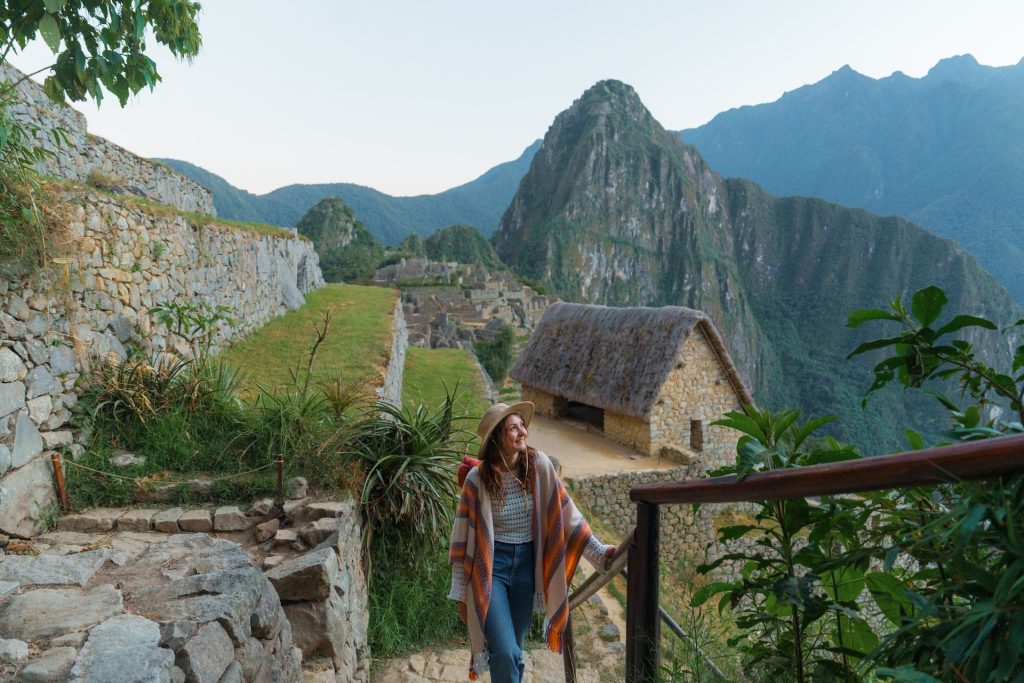
The site’s layout consists of distinct agricultural and urban areas. Terraces were ingeniously designed for farming and erosion control. Each sector offers insight into the innovative spirit of the Incas.
Millions visit annually, drawn by its majestic scenery and historical intrigue. Despite its popularity, visitor numbers are capped to preserve its integrity. Most Machu Picchu trips require advance ticket purchase to secure access.
A journey here is not just about seeing the ruins. It is about embracing the mystique that envelops this ancient world. Visitors are urged to respect the site’s historical significance.
Don’t miss the Temple of the Sun and other key buildings. Their construction reflects exceptional attention to detail and astronomical alignment. Exploring Machu Picchu gives a profound connection to the past.
Highlights of Machu Picchu include:
- The dense jungles surrounding the site
- Strategic terraces and stonework
- Its impressive mountaintop vistas
Plan your visit around early morning or late afternoon. These times offer fewer crowds and perfect lighting for photos. Machu Picchu is a site where history and nature converge stunningly.
Key Structures and Sectors
Machu Picchu’s key structures are architectural marvels. The Temple of the Sun is a standout, once reserved for Inca priests. Its precision construction showcases solar worship practices.
The urban sector includes the Room of the Three Windows. This area reflects astronomical functions in its alignment. These structures emphasize the Incas’ sophisticated understanding of the cosmos.
Agricultural terraces are also noteworthy. They were vital for food production and demonstrate ingenious design. Visitors can explore these areas to appreciate their importance to the Inca Empire.
The Intihuatana and Astronomical Wonders
The Intihuatana stone remains a central attraction. It’s believed to have been a solar clock or calendar. This large stone was used for astronomical observations and rituals.
Positioned for perfect alignment with celestial events, it reflects Incan astronomy. Observing this stone provides insight into their understanding of the universe. It’s a testament to their deep reverence for the skies.

Popular Itineraries: Sacred Valley and Machu Picchu Tours
Exploring the Sacred Valley and Machu Picchu requires thoughtful planning. Popular itineraries for Machu Picchu and Sacred Valley tours provide varied experiences based on preferences and time. Tours often combine cultural visits with breathtaking hikes.
From short escapes to extensive treks, options abound. Itineraries can be customized for different skill levels and interests. Whether you seek adventure or cultural immersion, there’s a plan for you.
A two-day classic tour offers a quick yet fulfilling excursion. It includes major highlights for those with limited time. Conversely, the four-day Inca Trail provides a deeper trekking experience.
Consider alternative treks for a different perspective. Routes like Salkantay and Lares provide off-the-beaten-path adventures. These treks immerse you in Peru’s stunning landscapes.
Accommodations vary from basic tents to luxury lodges. Guided tours offer insights and logistics, enhancing your journey. Choose based on your comfort level and desired experience.
Key considerations for planning:
- Length of stay
- Physical readiness
- Interest in cultural vs. natural attractions
Incorporating these factors ensures a fulfilling experience. With the right itinerary, you will uncover the essence of these majestic sites.
2-Day Classic Tour
A 2-day classic tour is perfect for the time-pressed traveler. It captures essential highlights with efficiency and excitement. Day one focuses on Sacred Valley’s key sites before continuing to Aguas Calientes.
Highlights include:
- Pisac’s lively market
- Ollantaytambo’s ancient fortress
- Stunning valley landscapes
Day two centers on Machu Picchu exploration. Visitors enjoy sunrise views and guided tours of the ruins. This itinerary balances cultural exposure with historical insights.
4-Day Inca Trail Adventure
The 4-day Inca Trail adventure is an iconic trek. It combines scenic beauty with a sense of achievement. This journey is ideal for fit adventurers seeking a physical challenge.
Day one begins with Ollantaytambo and an introductory hike. Trekkers then embark on a 26-mile path through diverse ecosystems. The journey includes cloud forests and alpine tundra.
Expect these itinerary highlights:
- Warmiwañusqa Pass, the trek’s highest point
- Historic ruins like Runkurakay
- Camping under Andean skies
Concluding at Machu Picchu, trekkers rejoice in their accomplishment. Guided tours of the lost city complete this extraordinary experience.
Alternative Treks: Salkantay and Lares
For a different kind of trek, the Salkantay and Lares routes offer unique opportunities. Both provide breathtaking views and cultural encounters. They are less crowded than the traditional Inca Trail.
The Salkantay Trek is suited for nature lovers. It offers stunning glacier views and lush jungle paths. Wildlife enthusiasts will appreciate the biodiversity encountered along the way.
Key features include:
- Picturesque Humantay Lake
- Warm hospitality in remote villages
- Varied landscapes from snow-capped peaks to rainforests
The Lares Trek provides immersion into local life. Trekkers engage with Andean communities and traditions. This hike highlights the region’s vibrant cultures and beautiful valleys.

Choosing the Right Peru Travel Packages
Selecting from Peru travel packages enhances your experience. Packages often bundle accommodations, transportation, and tours, simplifying logistics. Consider your budget and interests when choosing a package. Many operators offer sacred valley and machu picchu tours within broader Peru travel packages.
Research is key. Compare different operators for services and reliability. Seek reviews and recommendations from previous travelers for insights.
Many packages offer a mix of guided tours and independent exploration. This balance allows personal discovery with expert insights. Decide on the ratio that suits your travel style.
Check for included amenities and activities. Some packages feature unique experiences like cooking classes or cultural workshops. Verify what’s included to prevent surprises during your trip.
Key factors for package selection:
- Duration and comprehensive itineraries
- Levels of accommodation comfort
- Special activities and amenities
Choosing the right package ensures a seamless journey through Peru’s breathtaking landscapes and rich culture.

Guided Tours vs. Independent Travel
Deciding between guided tours and independent travel is crucial. Each offers distinct advantages tailored to different traveler preferences.
Guided tours provide structured itineraries and local expertise. They eliminate planning stress and often include exclusive access to certain sites. This option is ideal for those seeking educational value and time efficiency.
Independent travel allows flexibility and spontaneity. Travelers set their own pace and explore hidden gems. It suits adventurers who enjoy crafting personalized experiences.
Consider these factors when choosing your travel style:
- Comfort level with local navigation
- Desire for structured learning versus exploration freedom
- Budget considerations and time constraints
Ultimately, the choice depends on your travel goals. Whether it’s the guided assurance or the thrill of independence, each path offers unique rewards.
Sustainable and Responsible Tourism
Sustainable tourism is vital for preserving the Sacred Valley and Machu Picchu. These destinations thrive on their historical and cultural richness.
Practicing responsible tourism helps protect these treasures for future generations. It minimizes environmental impact and supports local economies.
To travel responsibly, consider the following actions:
- Choose eco-friendly accommodations and tours
- Respect local customs and environments
- Limit waste by using reusable items
Engaging with the local communities enhances your experience. Support their crafts and traditions by purchasing locally made goods. Sustainable tourism is about making conscious choices that benefit both travelers and the region’s heritage. By doing so, you contribute to the ongoing conservation efforts in this magnificent part of Peru.

Local Culture, Cuisine, and Markets
Exploring local culture is a highlight of the Sacred Valley and Machu Picchu tours. The area is steeped in rich traditions and customs.
Visitors can experience a vibrant blend of cultural influences. From colorful festivals to ancient rituals, the region offers unique insights.
Peruvian cuisine is a delightful part of any visit. Don’t miss dishes like ceviche, lomo saltado, and quinoa salads. Each dish reflects Peru’s diverse agricultural heritage.
Markets in the Sacred Valley are bustling with activity. They offer a great opportunity to explore local crafts and produce.
Key aspects of local culture include:
- Traditional Andean music and dance
- Handwoven textiles and garments
- Ceremonial practices and festivals
Markets are perfect for finding handmade souvenirs. Items range from intricate weavings to silver jewelry. Engaging with artisans is a way to support local economies and bring home a piece of the culture.
Packing Tips and What to Bring
Packing wisely is vital for a successful trip to the Sacred Valley and Machu Picchu. The area’s varied climate demands preparation. Layered clothing is essential due to fluctuating temperatures.
It’s important to include essentials for comfort and practicality. Items like sturdy hiking boots are a must for exploring rugged terrains. Moreover, sun protection is critical, so pack a hat and sunscreen.
Consider the following packing checklist:
- Lightweight rain jacket
- Reusable water bottle
- Compact travel first-aid kit
- Snacks for energy on hikes
- Portable charger for devices
Being well-prepared enhances the travel experience. With the right gear, you can fully enjoy the beauty and culture of this remarkable region.

Frequently Asked Questions
Planning a trip to the Sacred Valley and Machu Picchu can raise many questions. Here are some common queries travelers have before embarking on this adventure.
What is the best time to visit?
The dry season from May to October is ideal. However, it’s popular, so expect crowds.
How long should I plan for a tour?
Most tours range from 2 to 7 days, depending on your interests and schedule.
Do I need to book tickets in advance?
Yes, especially for Machu Picchu and the Inca Trail, which have visitor limits.
What should I pack for the weather?
Layered clothing, a rain jacket, and sun protection are crucial.
Is acclimatization necessary?
Yes, take a couple of days in Cusco to adjust to the altitude.
Here’s a brief checklist for quick reference:
- Tickets and bookings
- Clothing for varying weather
- Acclimatization plans
These FAQs should help prepare you for an enriching journey.
Final Tips for an Unforgettable Journey
Embarking on Sacred Valley and Machu Picchu tours promises an enriching experience. To make the most of your trip, a few final considerations can be crucial.
First, ensure you have sufficient time to explore without rush. Rushed travel can diminish the experience’s enjoyment.
Next, engage with local culture through markets and interactions. You’ll find these as enriching as the landscapes themselves.
Lastly, maintain an open mind. Each encounter and discovery can add layers to your journey.
Here’s a quick recap to enhance your trip:
- Allow adequate time
- Engage with local culture
- Keep an open mind
These small efforts can greatly enhance your adventure, leaving you with cherished memories.
FAQs
Is it better to visit the Sacred Valley before Machu Picchu?
Yes. We suggest starting in the Sacred Valley. It builds cultural context through markets, villages, and ruins before the climax at Machu Picchu. Logistically, many tours begin in Cusco and continue through the valley (with trains departing from Ollantaytambo). You will be spending a couple of days in Cusco first also helps you acclimatize before venturing farther.
How many days should I plan, and what’s the trade-off between 2-, 4-, and 5–7-day tours?
Choose based on depth and pace. A 2-day tour covers the highlights but feels rushed. Four days provide a balanced, more immersive experience with time for lesser-known spots. Five to seven days deliver a comprehensive journey with deeper cultural and natural exploration. Pick according to your interests, time, and desired level of immersion.
When is the best time to visit, and how do seasons affect crowds and trekking?
The dry season (May–October) brings clear skies and great views, mild days, and chilly nights—but also the most visitors, so book ahead. The wet season (November–April) offers lush landscapes and fewer tourists, but frequent rains and muddier trails. For fewer crowds and great light at Machu Picchu, aim for early morning or late afternoon.
How do I get from Cusco to the Sacred Valley and Machu Picchu?
Most trips start in Cusco, with easy transfers into the Sacred Valley by bus or private vehicle. Trains to Machu Picchu depart from Ollantaytambo or Poroy, offering scenic rides through the Andes. Trekkers can enter via routes like the Inca Trail (which require advance planning and permits). Machu Picchu entry tickets should be booked ahead due to visitor limits.
Should I choose a guided tour or travel independently?
Guided tours streamline logistics and add expert context, ideal for efficiency and learning. Independent travel offers flexibility and spontaneity for those comfortable navigating locally. Decide based on your preference for structured insight versus freedom, your comfort with planning, and your available time and budget.