Lake Titicaca Tour from Cusco (2 Days)
$180 Two Days

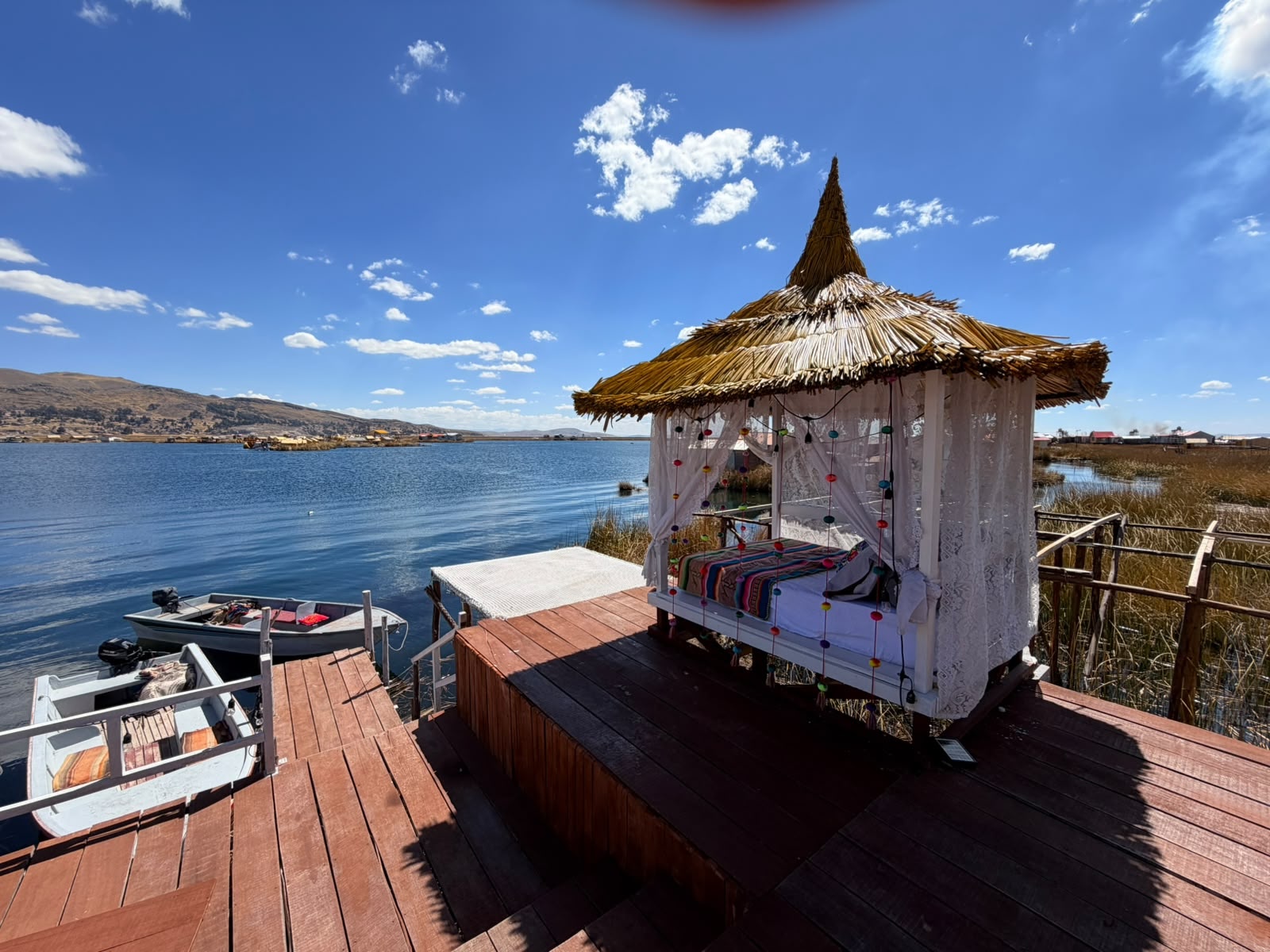
Most people see Lake Titicaca for six hours and leave. A boat out, a reed island, a crossing to Taquile, and back to a hotel in town. What they miss happens after dark. The wind drops, the water goes flat, and the sky at 3,812 metres loses its blur. This trip exists to put you outside for that, in a bed, under a roof you can see through.
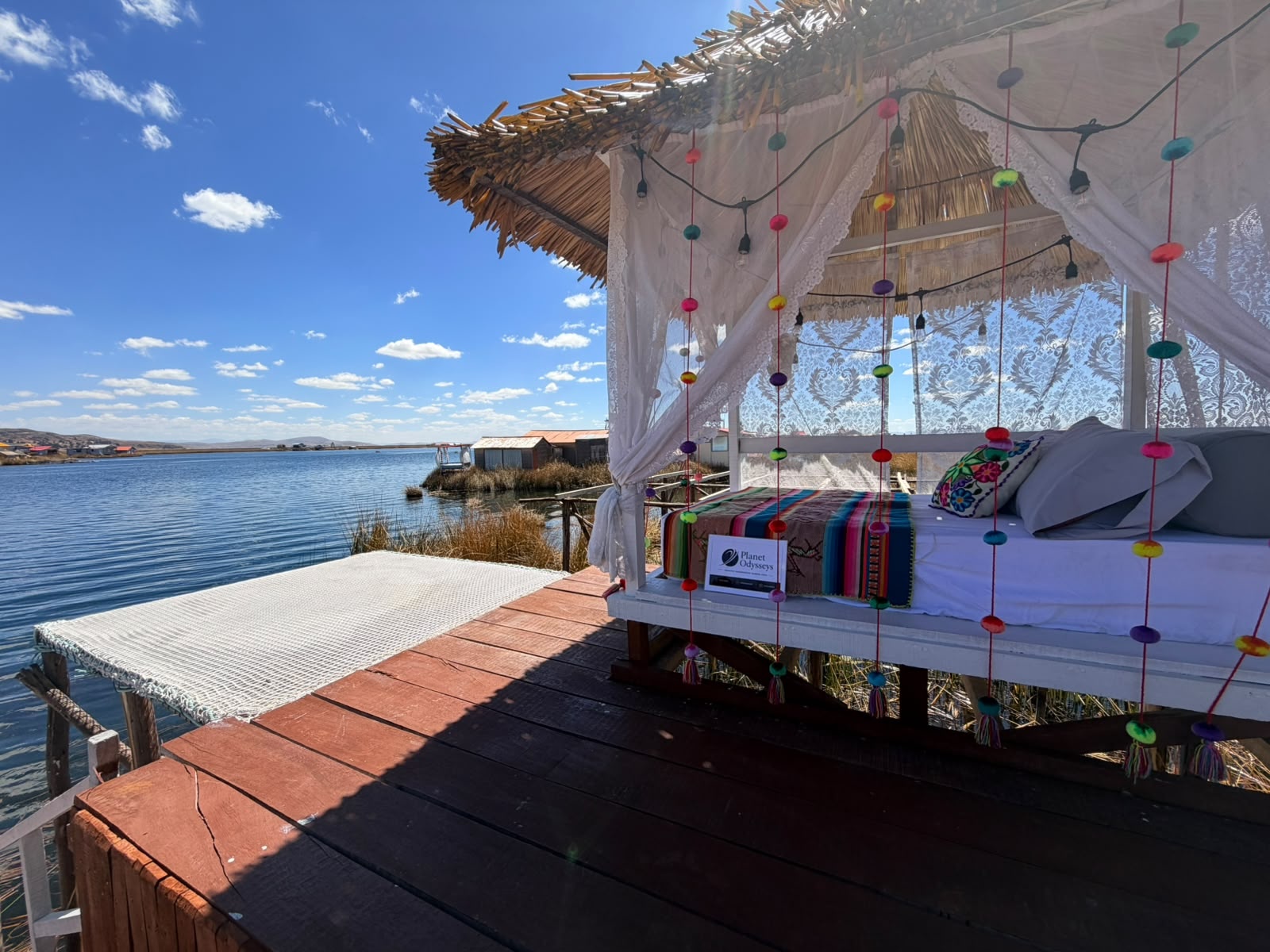
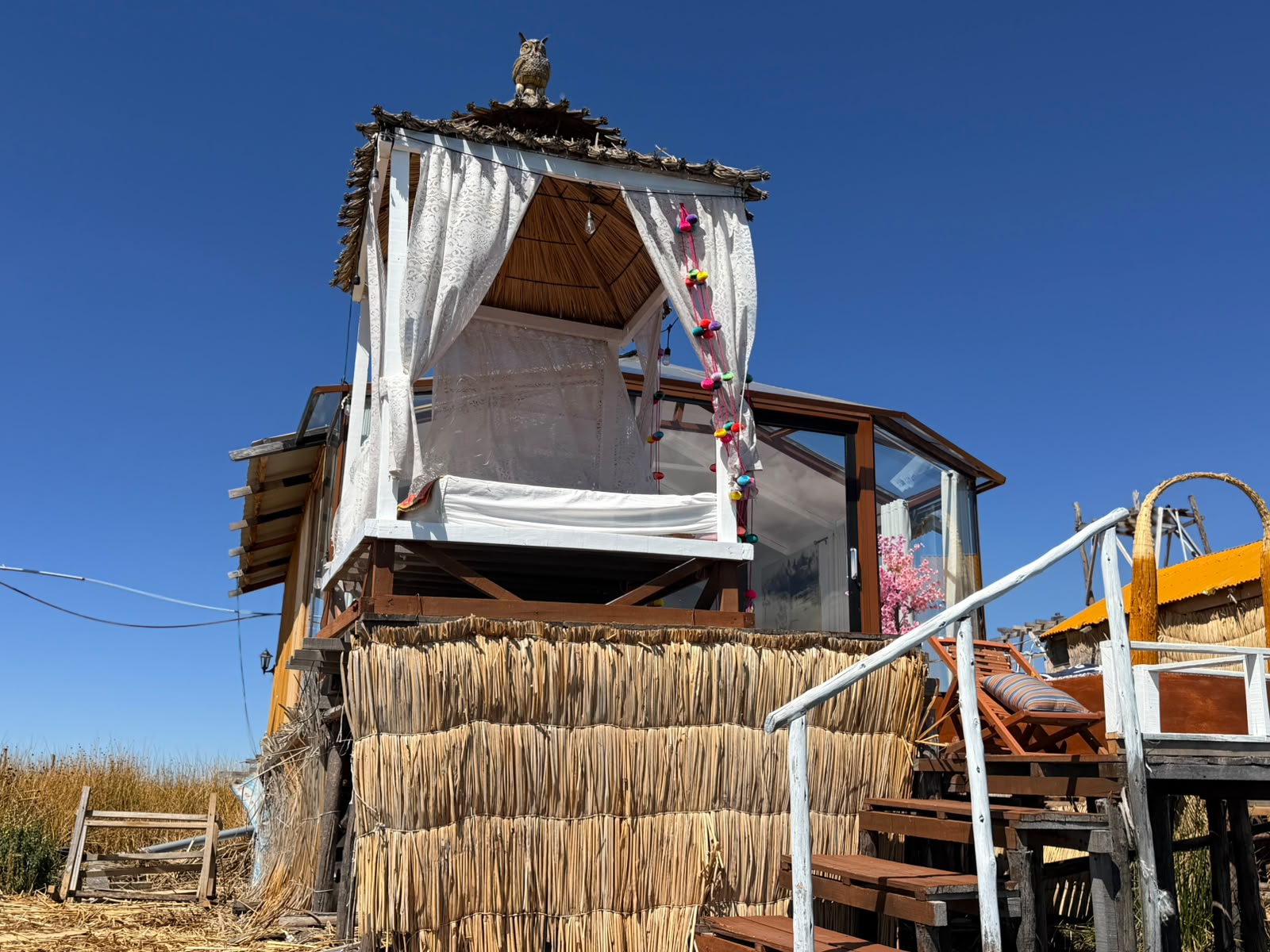
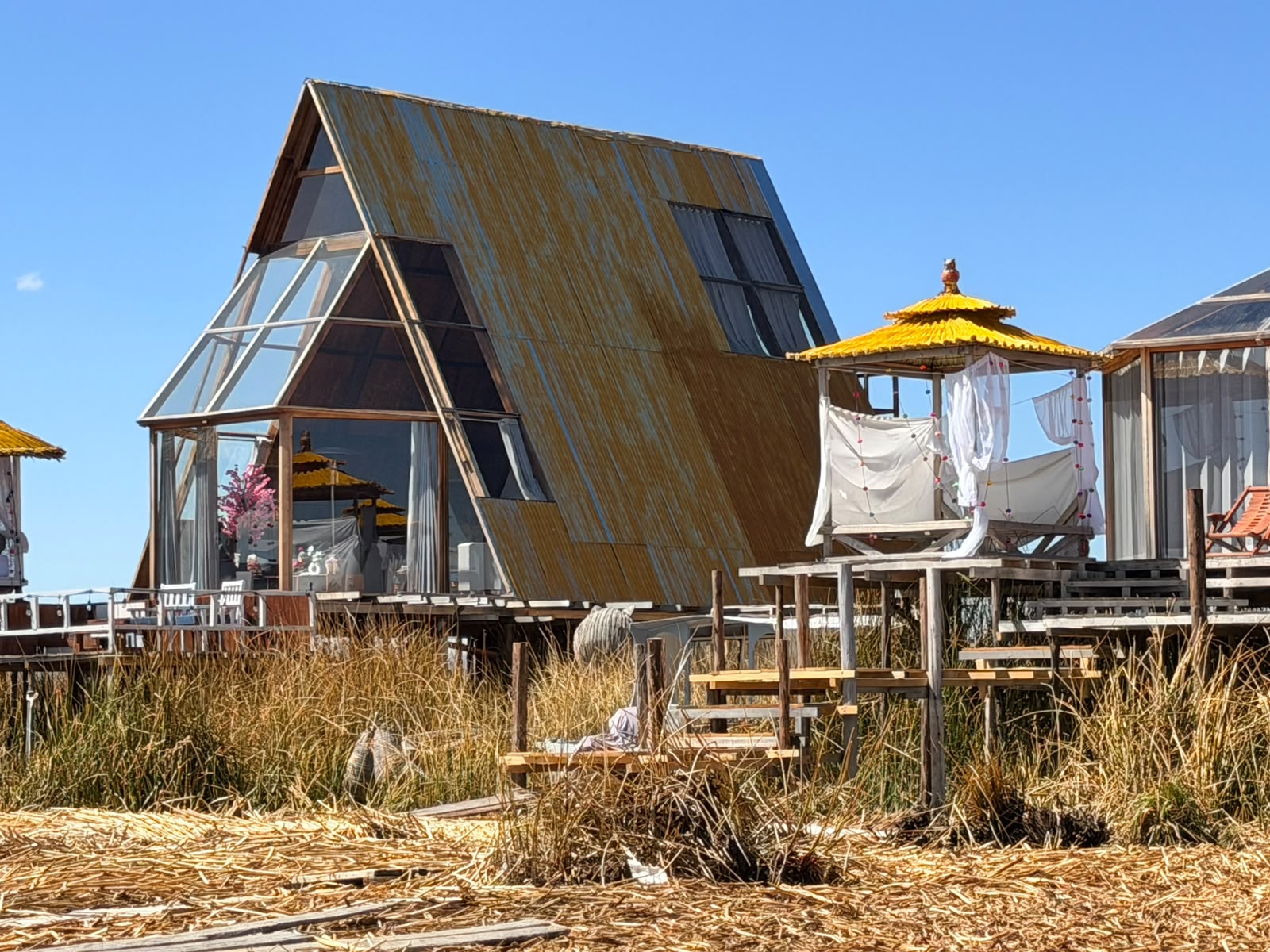
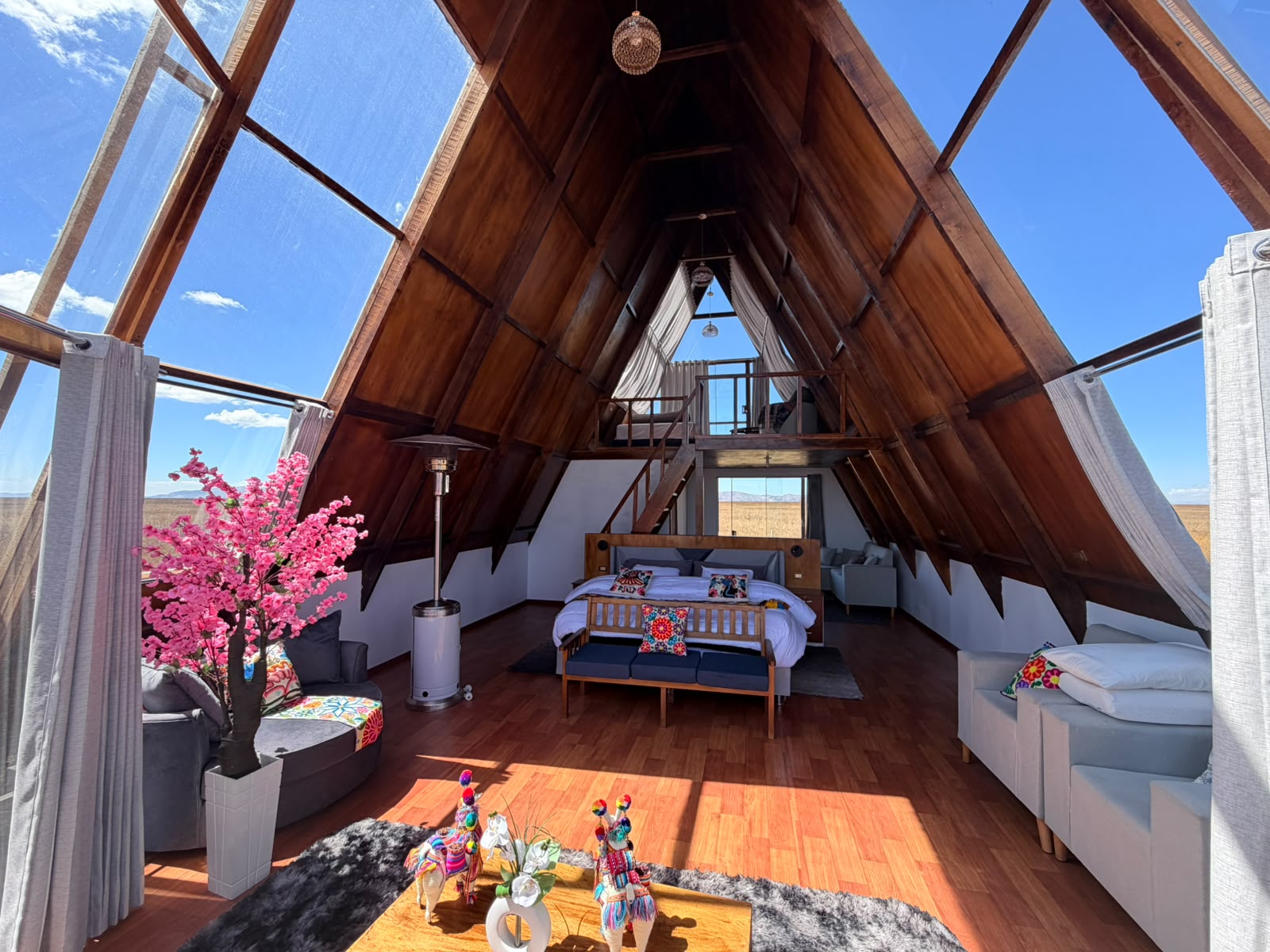
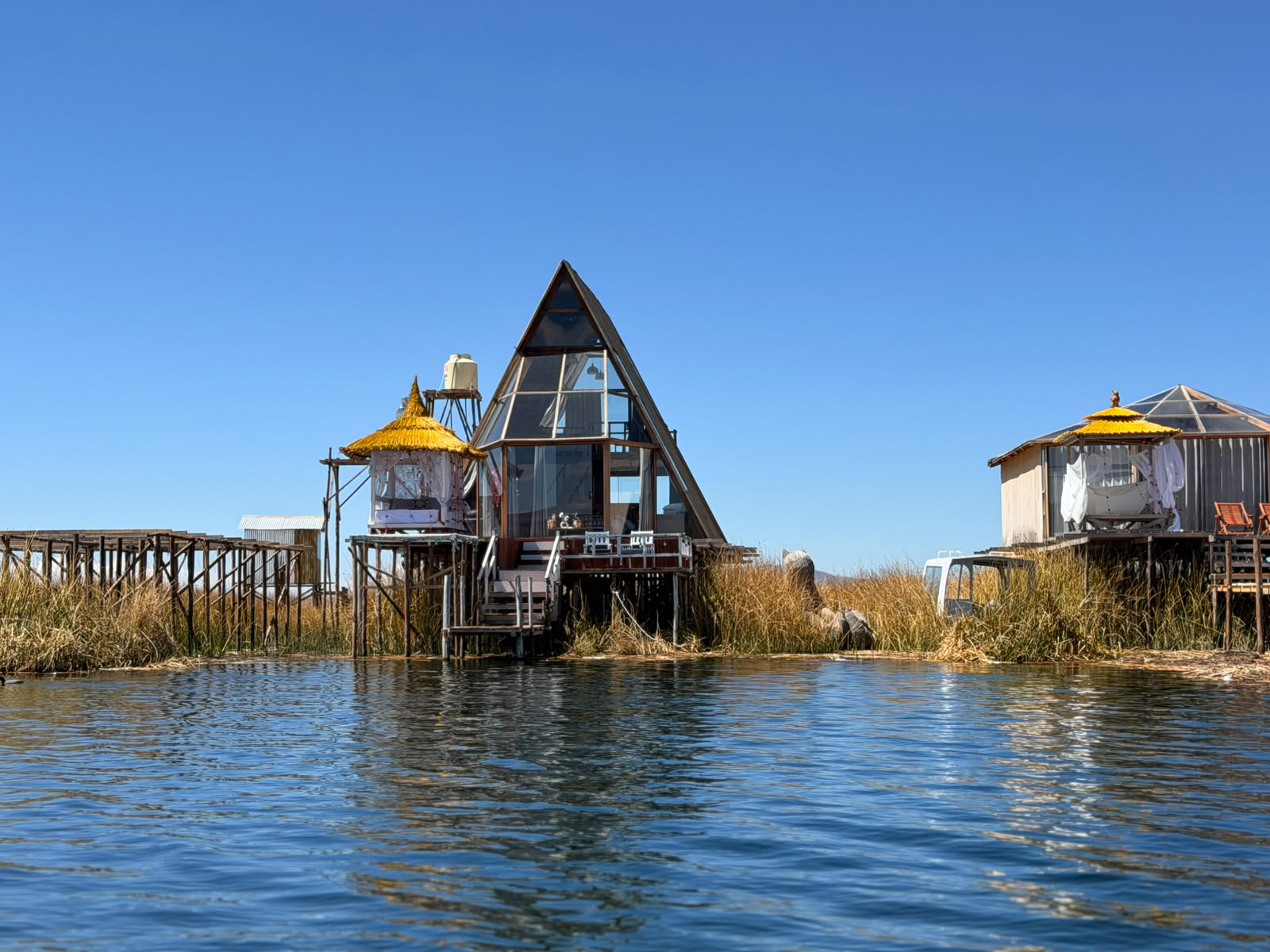
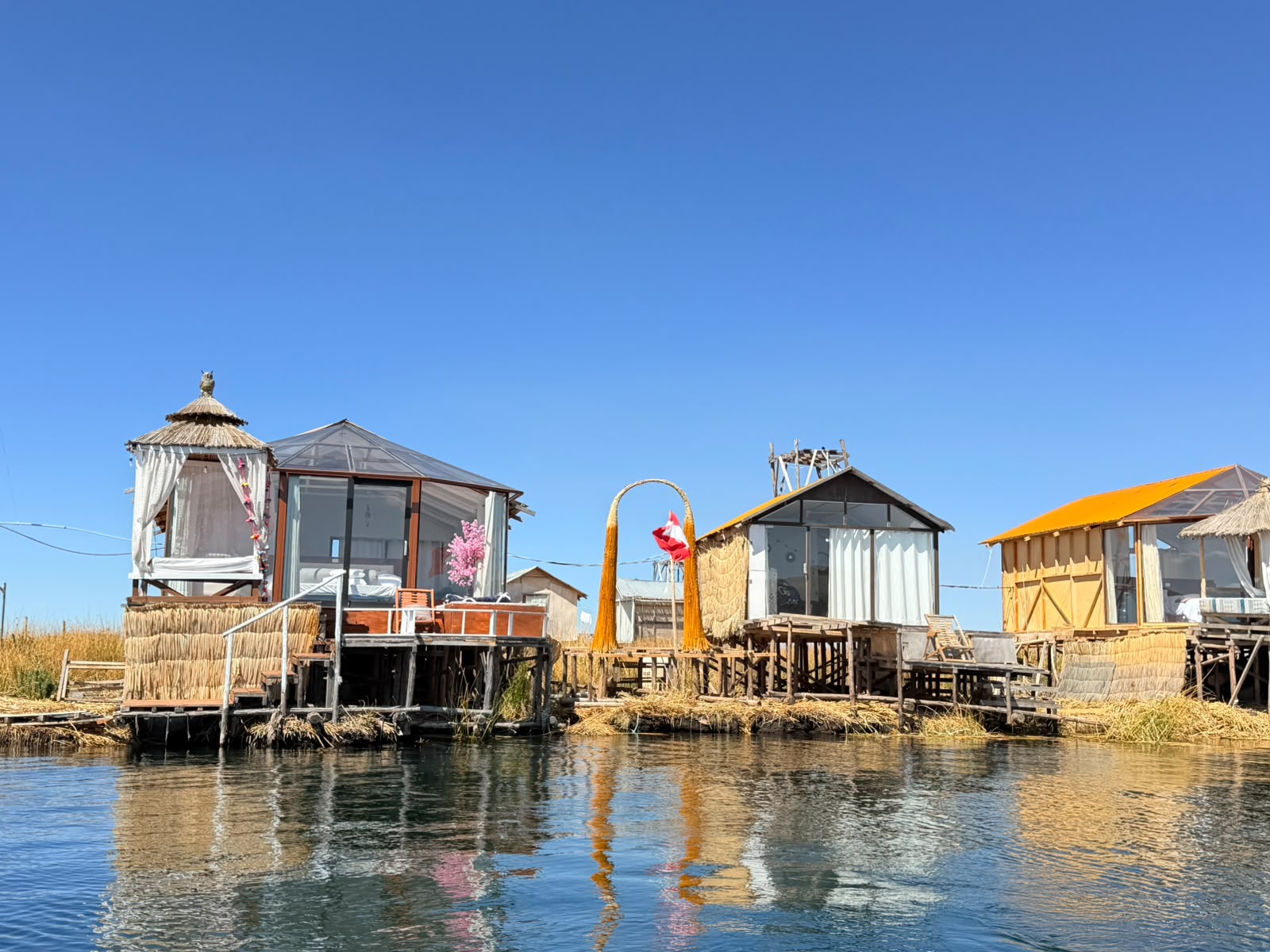
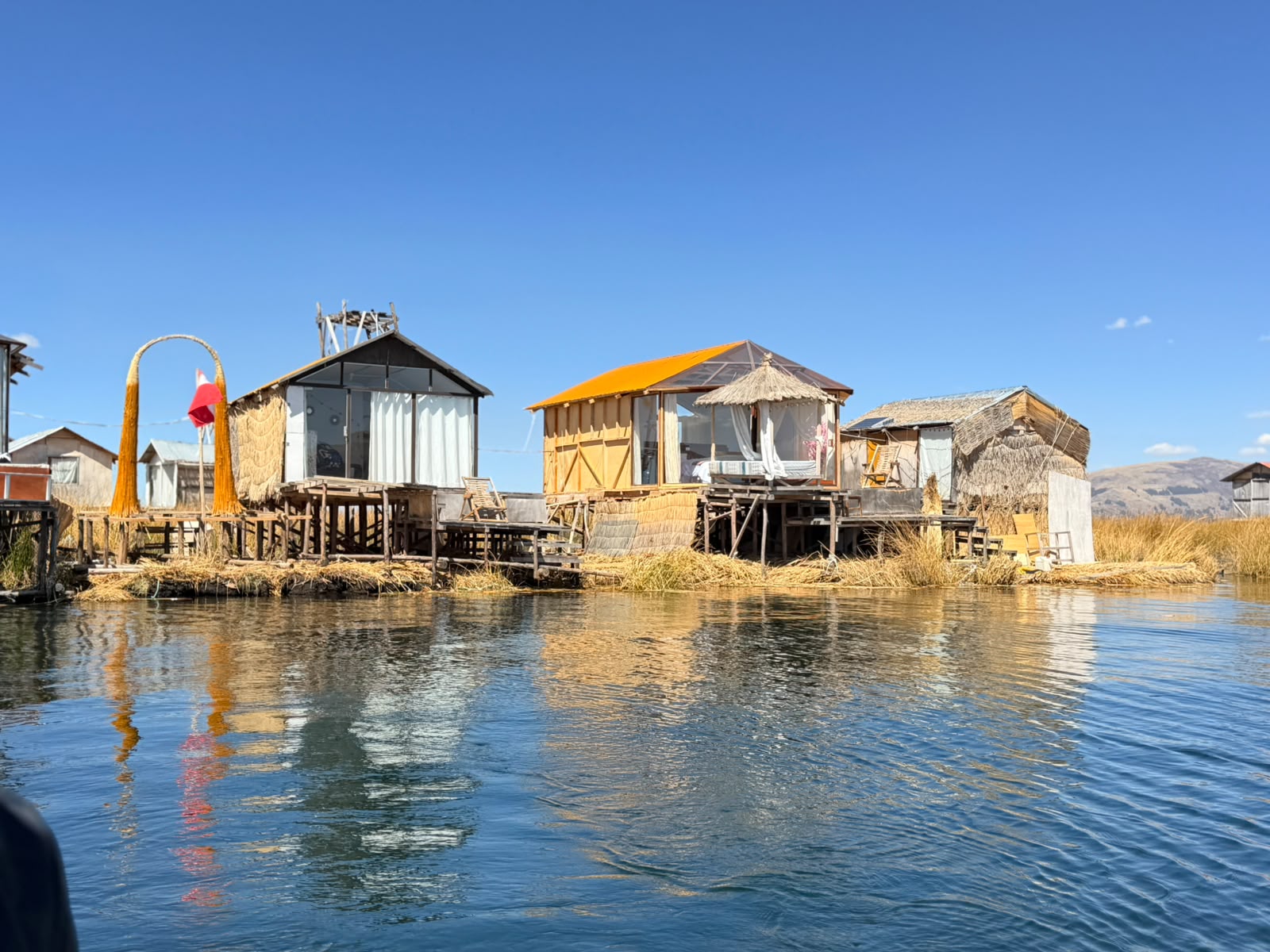
The dome is a real room. Heated and insulated, with proper bedding and a clear upper shell. It stands among the Uros islands rather than behind a hotel wall. On a calm night the lake mirrors the sky exactly. Guests come back describing it as sleeping between two of them. Before that, your hosts read the Andean constellations. Those live in the dark gaps of the Milky Way, not in the stars. The llama, the fox, the serpent.
The clever part is the first night. The bus from Cusco leaves at nine and crosses La Raya while you sleep. You are in Puno by half past five. So the lake costs you no daylight at all. One of your two nights is a seat rather than a room. That is why three days here costs less than you would expect. Our night bus page describes that road on its own.
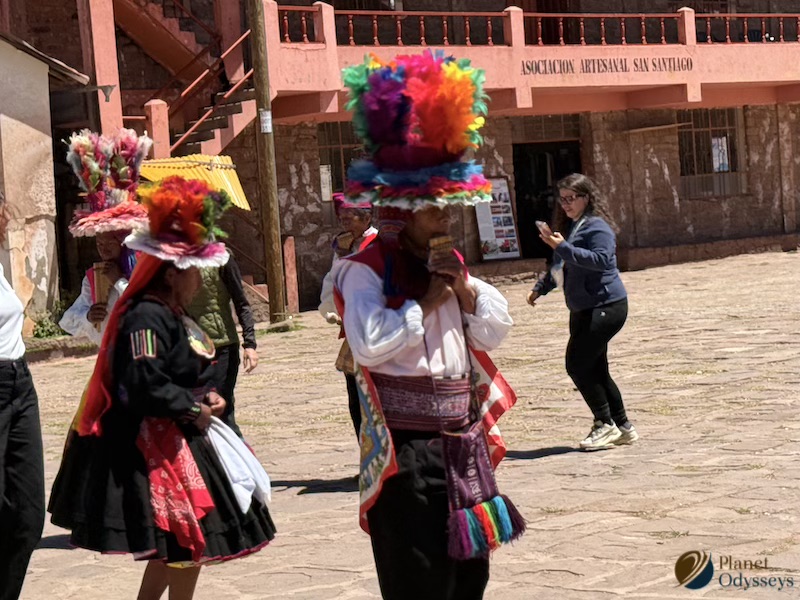
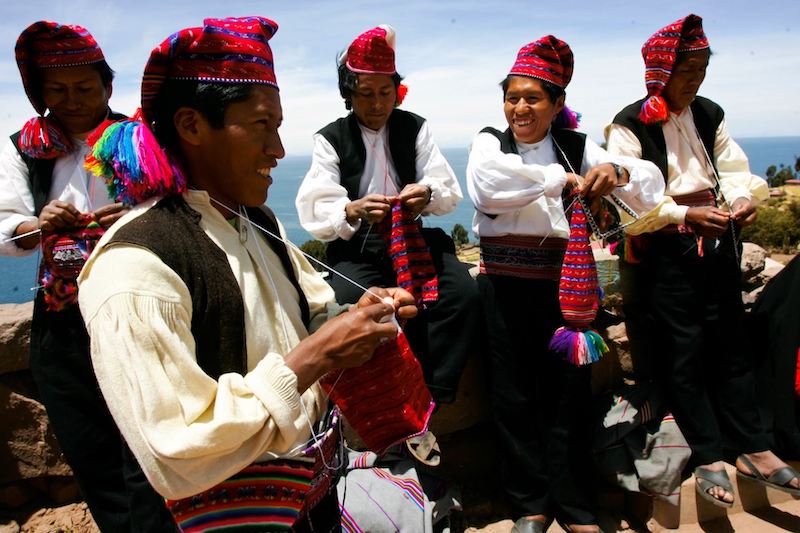
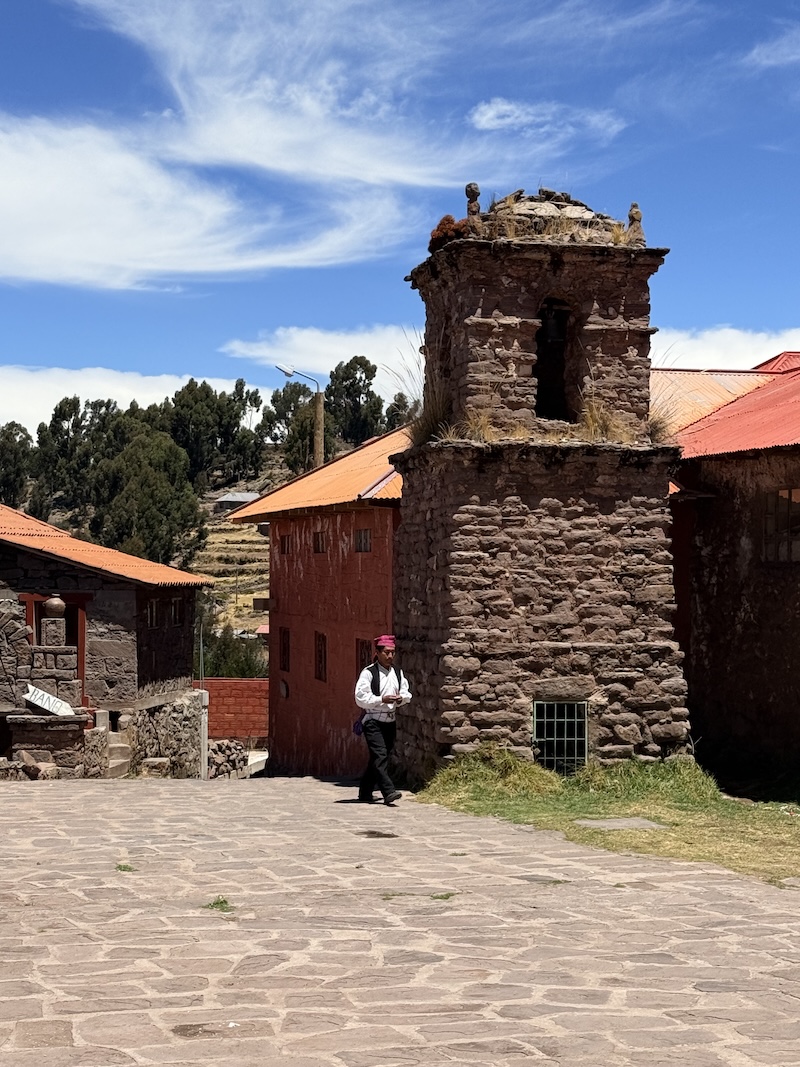
Day three is the culture rather than the sky. Taquile is about 2,200 Quechua speakers governing themselves without police. A rotating council, and the old rule of ama sua, ama llulla, ama qhella. The men knit, the women weave, and what a person wears still says whether they are married. The tradition went onto the UNESCO list in 2005. Read our post on Taquile and its knitting beforehand. Another walks through a day on the island.
Night one is the road. A driver collects you from your Cusco hotel at about eight, holding a name board. The bus leaves the terminal at nine. Seats recline to between 140 and 160 degrees. A blanket, a heated cabin and a toilet on board. It is comfortable, and it is still a bus. Your big case goes in the hold until Puno. Keep a small bag with layers, water and your passport.
You reach Puno at about half past five, cold and blinking. Our team meets the bus and takes you to a central hotel for a shower and a full breakfast. That is the most useful hour of the trip. Coca or muna tea, slowly, and more water than you want. Our post on community tourism on the lake explains how the visits ahead are arranged. Anything you will not need on the lake is stored until you come back.
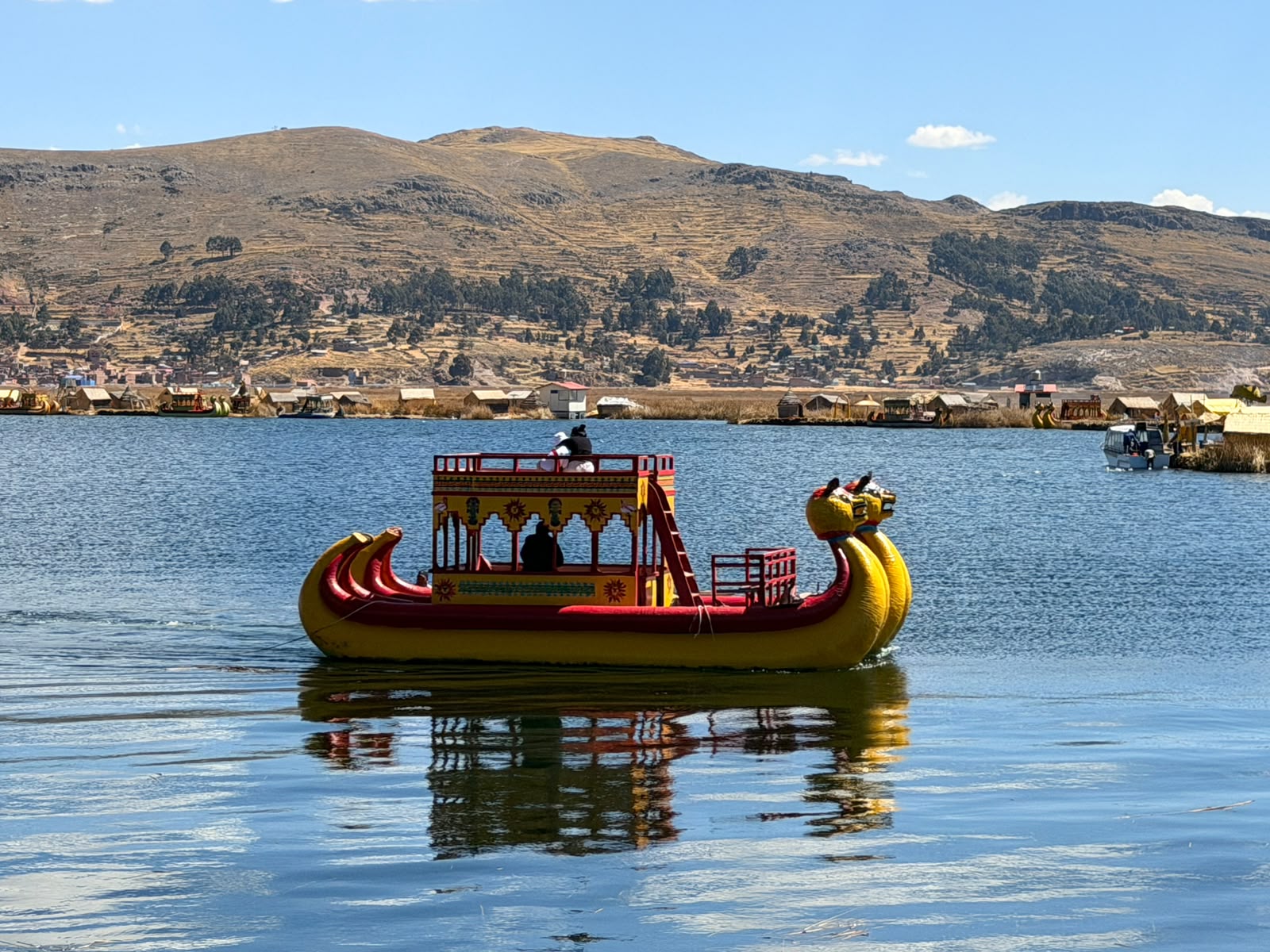
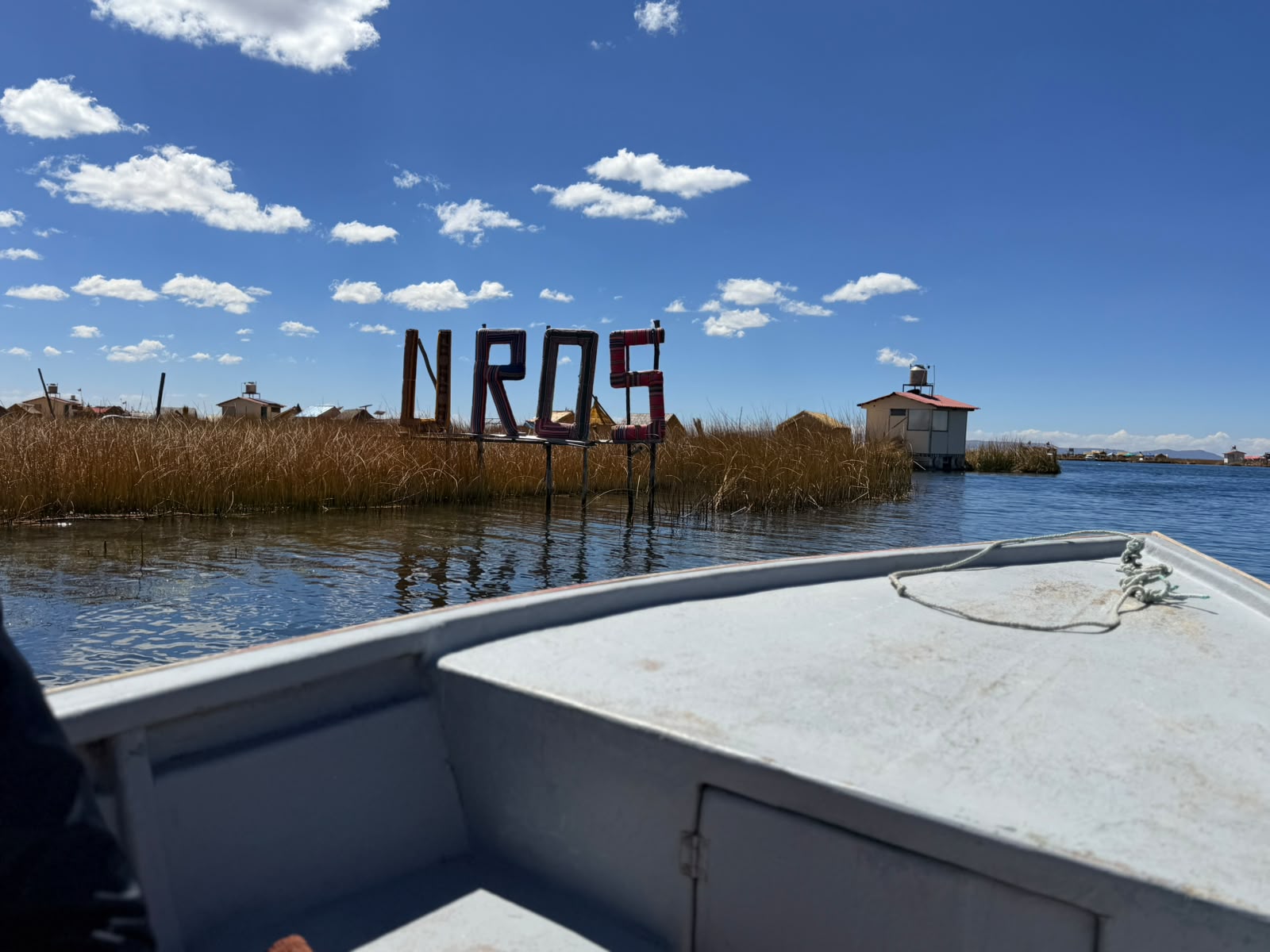
Late morning you board a covered boat at the harbour and head out through the reed channels. Twenty minutes and the town is gone. The afternoon is spent among the Uros. Families show how the totora is cut, laid and anchored. One plant supplies a house, a boat and part of lunch. Background sits in our post on the Uros people. The optional reed ride is described in our piece about totora boats.
You check into the dome in the late afternoon, in time for the light to go. Evening is tea, the offering to Pachamama, and the constellations. Then everyone stops talking. Day three starts before the wind does, with the lake mirrored pink at dawn. Breakfast follows, then a long crossing to Taquile. On a clear day Bolivia's Cordillera Real stands on the eastern horizon. Forty minutes of steps up to the square. Trout and quinoa soup from the community kitchen, and Puno by five. Where that fish comes from is in our post on the trout of Lake Titicaca.
Three ways to spend a night on or beside Lake Titicaca. They are not the same experience at all. Green marks the better option on that row.
In short. Book the dome if the night is the point and you are coming from Cusco anyway. Book the Amantani homestay if you would rather sleep in a family's house than under a clear roof. Already have a room in Puno and want the towers too? Book our two day Titicaca and Sillustani tour. With a spare day, the two day trip down from Cusco takes the daylight road and skips the night bus.

Available: Daily departures
Group Size: Up to 4 people
Start Time: 09:00 PM
Pickup: Your hotel in Cusco


Verified reviews from our guests
Connect with our local team to plan your perfect journey through Peru and Bolivia. We’ll help make every step of your adventure unforgettable.