Amantani Homestay Tour: Uros, Amantani and Taquile in 2 Days
$67 4,150 m

Most visitors to Puno go out onto the water. The Uros, Taquile and Amantani are islands, and the boats leave from the port. This tour goes the other way, south along the shore by road, into the country of the Aymara. They were here before the Incas and they are still here. The lakeside towns between Puno and the Bolivian border speak their language.
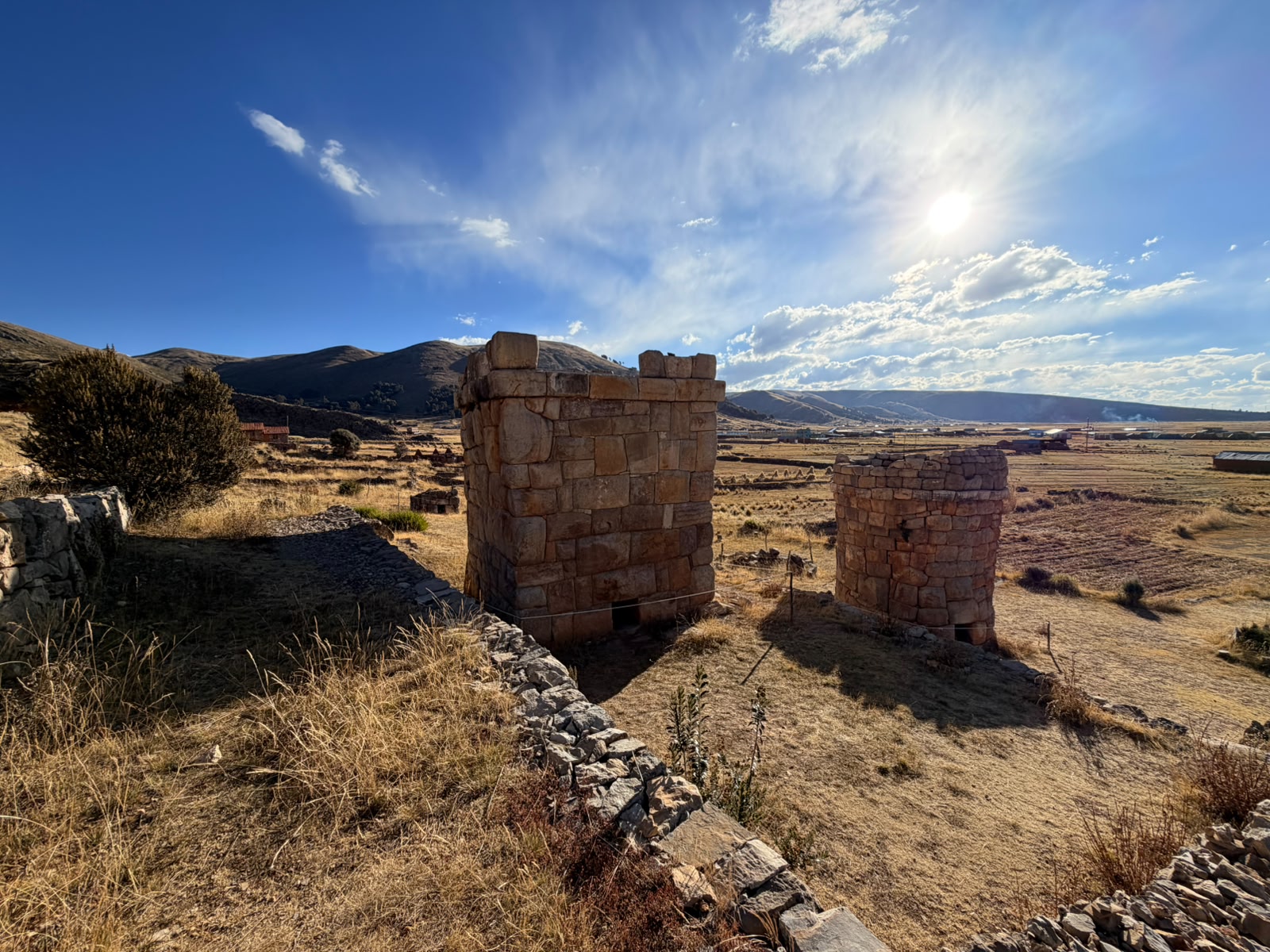
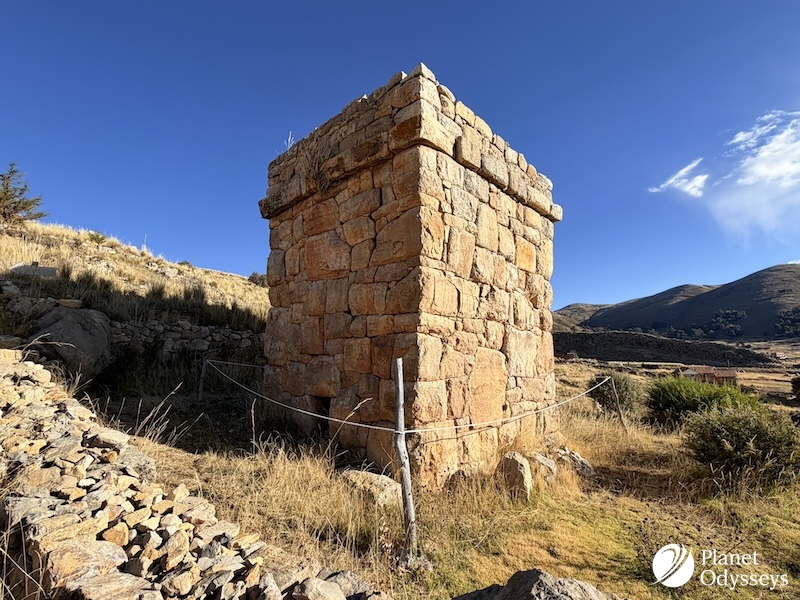
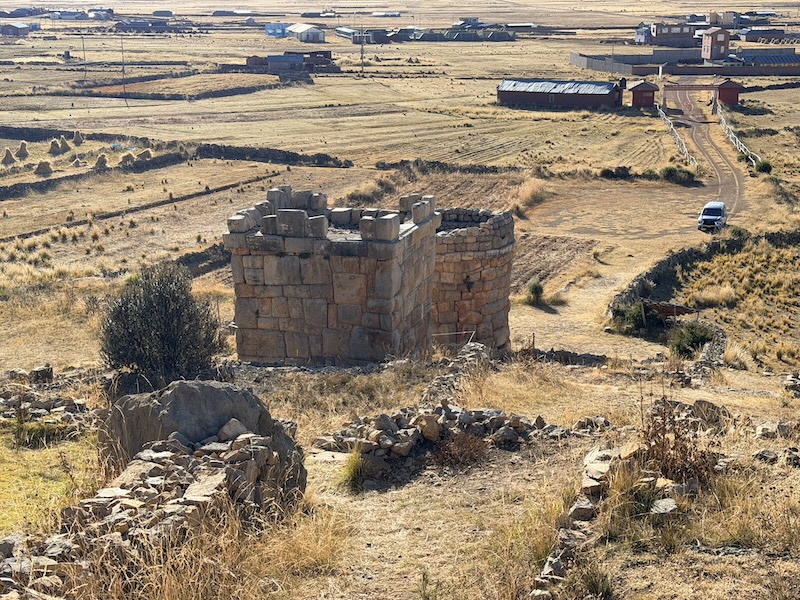
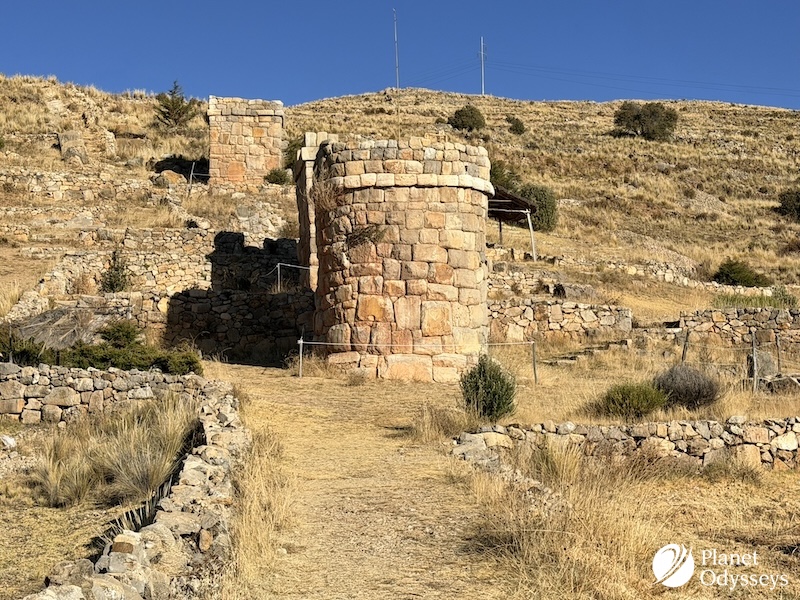
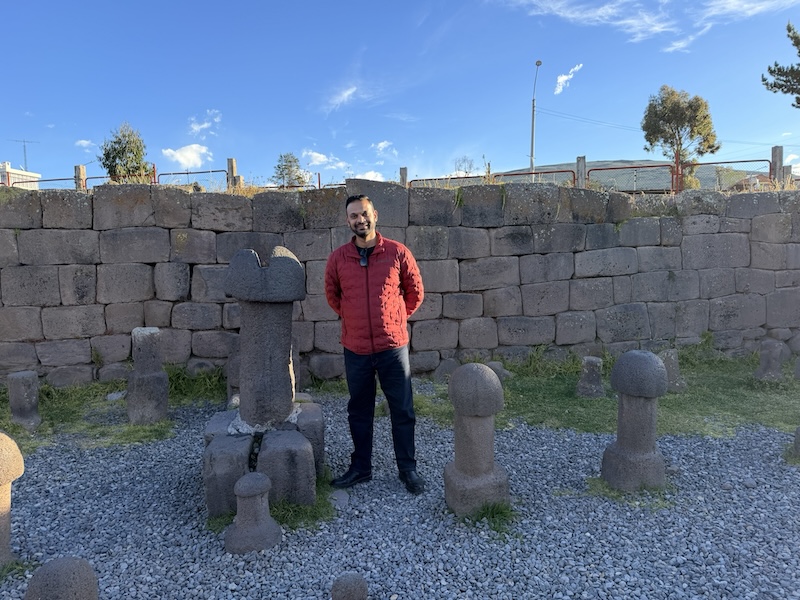
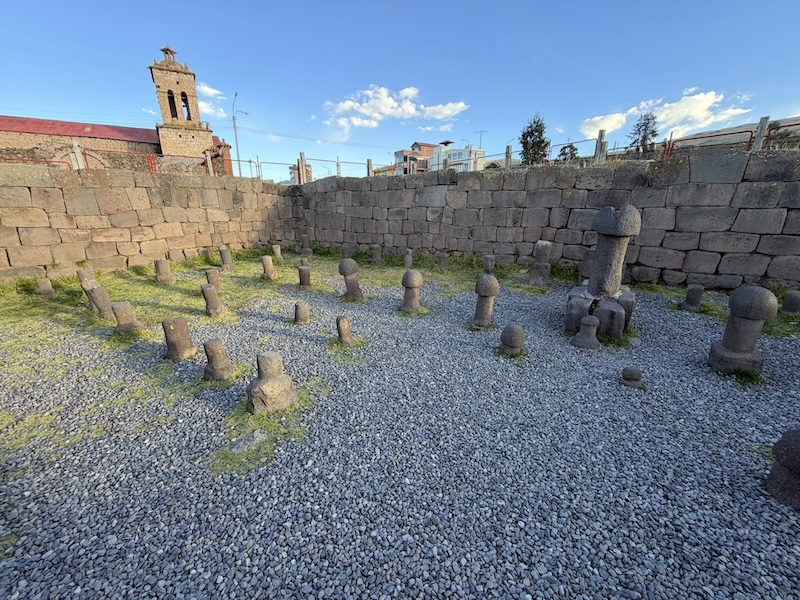
The road passes five things worth stopping for. At Chucuito, an enclosure of carved stone sold as an Inca fertility temple. It may be a modern arrangement of old stones. At Molloco, a group of funerary towers built by the Colla, who also built Sillustani. They stand on a hill almost nobody visits. Between them, the raised fields called waru waru. It is a farming system older than the Incas, and the communities are bringing it back.
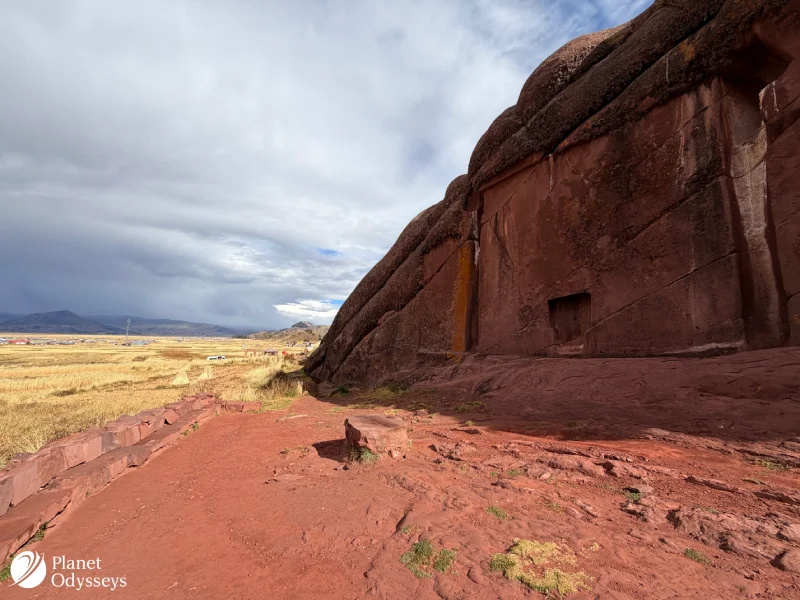
Then Aramu Muru, a doorway carved into a cliff of red rock, seven metres square, leading nowhere. Nobody knows who cut it or why, and the stories that have grown up around it are recent. The guide will tell you the legends and the archaeology, and keep them apart. And finally Juli, a town the Jesuits made their base in the sixteenth century. That is why a place of ten thousand people has four stone churches.
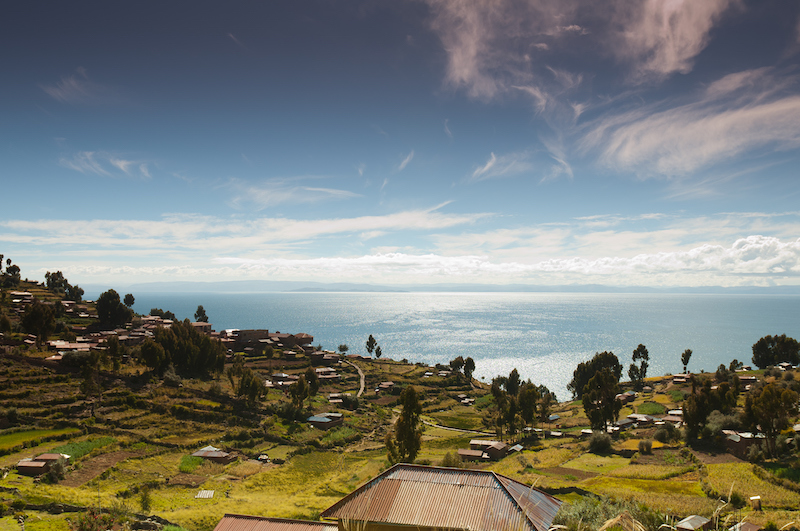
None of these is famous. That is the point of the day. The stops are quiet and the road is empty. The lake sits beside you for eighty kilometres, with the snow of the Cordillera Real on the far side when the air is clear.
The van collects you at eight and is out of Puno in ten minutes. The road follows the western shore south. Chucuito comes first, a colonial town with a plaza and two churches, and the enclosure of carved stones behind them. The guide explains what the stones are, what the sign says they are, and the difference. Half an hour.
Molloco is a turn off the main road, then a short climb to a group of stone towers on open ground. Nobody else is there. The lake is below, the towers are tall, and the wind is cold. This is the stop people remember. About forty minutes, then back to the road and a stop at the raised fields. The guide walks you along the ridges and explains how they kept frost off the crops.
Aramu Muru is late morning. A red cliff with a carved doorway in it, and a flat area in front. The guide leads a short meditation there for anyone who wants one. The rest can walk the base of the cliff and look at the lake. Nobody is made to do anything. About an hour.
Juli is lunch and churches. The town sits on a bay with a plaza, and the churches are a short walk apart. You eat at a local restaurant on the square, at your own cost. Then the guide takes you to whichever churches are open that day. Then the road back north, the lake on your right, and Puno by about half past five.
Three ways to spend a full day from Puno. Two are on the water and one is on the road. Green marks the better option on that row.
In short. Choose the Ruta Aymara if you have already been on the lake, or the islands are not why you came. Choose Uros and Taquile if it is your only day in Puno. The water is what the town is for. Choose Uros and Sillustani if you want the famous towers. The Molloco towers on this route are by the same builders, with nobody else there.

The van collects you from your hotel and leaves the city on the road south. The lake is on the left within minutes and stays there.
Available: Daily departures
Group Size: Up to 9 people
Start Time: 08:00 AM
Pickup: Hotel in Puno


Verified reviews from our guests
Connect with our local team to plan your perfect journey through Peru and Bolivia. We’ll help make every step of your adventure unforgettable.


