

Lake Titicaca is a destination that captivates travelers with its beauty and cultural richness. Nestled between Peru and Bolivia, it is the largest lake in South America. Its deep blue waters and high-altitude scenery are breathtaking. It’s a favorite for Lake Titicaca travel year-round.

This guide will help you explore Lake Titicaca travel options. Whether you’re coming from Cusco or elsewhere, there are many ways to reach this stunning location. For Cusco to Lake Titicaca travel options, consider the Andean Explorer train, reliable buses, or a quick flight via Juliaca. From cultural Lake Titicaca tours to adventure-filled Lake Titicaca activities, the region offers something for everyone.
Prepare for an unforgettable journey. Discover the unique islands, vibrant festivals, and local traditions. Lake Titicaca is more than a destination; it’s an experience.
Why Visit Lake Titicaca?
Lake Titicaca is more than just a body of water; it’s a cultural and natural wonder. As the highest navigable lake in the world, it offers stunning high-altitude views. Its serene beauty is complemented by a rich history and deep Inca mythology.

Visitors are enchanted by the lake’s vivid colors and unique floating islands. The Uros Floating Islands, made from totora reeds, are a must-see. You can immerse yourself in local culture while experiencing traditional lifestyles first-hand—many Lake Titicaca tours highlight these living traditions.
Here’s why you should visit Lake Titicaca:
- Discover ancient Inca legends and myths.
- Explore unique island communities.
- Enjoy breathtaking landscapes and rich biodiversity.
How to Get to Lake Titicaca: Travel Options from Cusco and Beyond
Traveling to Lake Titicaca presents exciting options, each offering a unique experience. The journey often begins in Cusco, with its historical and cultural significance. Travelers can choose from several Lake Titicaca travel options to reach Puno, the primary gateway to Lake Titicaca.
For a luxurious experience, the Andean Explorer train is a standout choice. It takes travelers on a scenic journey from Cusco to Puno, complete with breathtaking views. The trip is an indulgence in comfort and panoramic landscapes.
For those on a budget, bus services offer an economical and reliable alternative. The journey takes approximately 7 to 8 hours and provides glimpses of the enchanting Andean terrain along the way.
Flights offer the fastest route, with a journey from Cusco to Juliaca (Via Lima) taking about four hours. From Juliaca, a short taxi ride connects you to Puno.
Here are the Cusco to Lake Titicaca travel options:
- Andean Explorer train: luxury and views
- Bus service: affordable and scenic
- Flight to Juliaca: quick and convenient
Best Time to Visit Lake Titicaca
Planning your Lake Titicaca trips during the right season can enhance your experience at the lake. The best time is the dry season, from May to October. During this period, you can enjoy sunny days and clear skies, perfect for exploring the lake’s beauty.
The cooler, dry weather is ideal for outdoor activities and sightseeing. Nights can be quite chilly, so packing layers is essential. Here’s a quick guide on what to expect:
- May to October: Dry season, best for travel
- November to April: Wet season, bring rain gear
Choosing the right season ensures more enjoyable activities and comfortable weather.
Top Lake Titicaca Tours and Trips
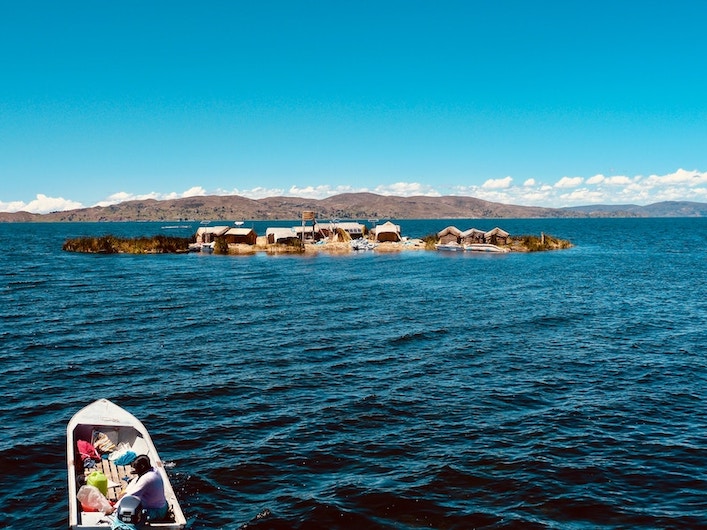
Embarking on Lake Titicaca tours offers a deep dive into its rich culture and natural beauty. Various options let travelers explore iconic sites like the Uros Floating Islands. Guided tours provide knowledgeable insights into the history and traditions of the indigenous communities.
Many tours also include visits to Taquile and Amantani Islands. Here, travelers can experience local customs and craftsmanship. Taquile Island is especially known for its exquisite handwoven textiles made by skilled artisans, which provide a unique cultural perspective.
Eco-friendly tours are gaining popularity, emphasizing sustainable practices. These trips educate visitors about preservation efforts. Adventure enthusiasts can opt for kayaking tours, offering a thrilling perspective of the lake’s vast expanse. These Lake Titicaca trips cater to a range of interests, from culture to adventure.
Here’s a quick list of popular tour options:
- Uros Floating Islands tour
- Full-day trip to Taquile and Amantani Islands
- Eco-friendly tours with local guides
- Kayaking excursions on the lake
Selecting the right tour can enhance your Lake Titicaca travel experience.

Must-See Islands and Attractions
Lake Titicaca is sprinkled with islands each having distinct allure and attractions. The Uros Floating Islands are a definite highlight. These reed-constructed islands are a testament to the Uros people’s ingenuity and resilience. They offer a glimpse into a unique way of life.
Taquile Island is another must-visit spot. Known for its traditional Quechua community, Taquile is famed for its stunning textiles. These handmade pieces reflect the heritage and craftsmanship passed down through generations. The island’s serene environment enhances its appeal.
Amantani Island promises a warm welcome. Visitors can enjoy homestays with local families. This provides an opportunity to immerse in cultural practices and daily routines, fostering an authentic travel experience.
On the Bolivian side, Isla del Sol captivates with its scenic beauty. It’s steeped in Inca mythology and showcases impressive ruins. Visitors can hike trails offering panoramic views.
Here’s a list of must-see attractions:
- Uros Floating Islands
- Taquile Island and its textiles
- Amantani Island homestays
- Isla del Sol with Inca ruins
Exploring these destinations enriches any trip to Lake Titicaca, providing memories that last a lifetime.

Lake Titicaca Activities: Adventure, Culture, and Nature
Lake Titicaca offers a rich tapestry of activities, appealing to various interests. Its vast waters are perfect for boating adventures, from leisurely cruises to invigorating kayak trips. The lake’s calm surface allows for safe exploration and stunning views. These Lake Titicaca activities are suitable for beginners and seasoned travelers alike.
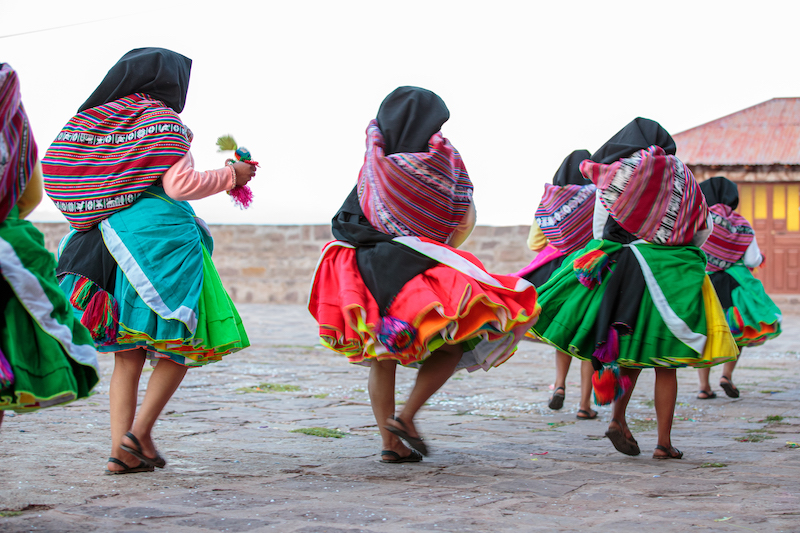
Cultural experiences abound here as well. Attend traditional dance performances and interact with artisans showcasing time-honored crafts. These activities provide meaningful engagement with local cultures and histories. Visitors often find these experiences deeply rewarding.
Nature enthusiasts will find Lake Titicaca’s terrain inviting and diverse. Hiking trails on the islands reveal breathtaking landscapes and hidden gems. Each step brings opportunities to connect with the natural world and capture unique photographs.
Popular activities at Lake Titicaca include:
- Kayaking or boating on the lake
- Participating in cultural tours
- Hiking island trails for scenic views
Engaging in these activities enriches the traveler’s experience, offering adventures to remember.
Where to Stay: Accommodation Options Around the Lake
Visitors to Lake Titicaca can choose from diverse lodging options that cater to varied preferences. From comfortable hotels in the bustling city of Puno to serene homestays on the islands, there’s something for every traveler. Each option offers a unique experience, immersing guests in the region’s beauty and culture.
For those seeking an authentic cultural experience, island homestays provide intimate insights into local life. These stays not only support the community but enrich visitor experiences with genuine interactions. Whether you prefer modern amenities or rustic charm, Lake Titicaca has accommodations to suit your taste.
Available options include:
- Hotels in Puno city
- Island homestays with local families
- Eco-friendly lodges near the lake
Choosing the right accommodation enhances your visit, ensuring comfort and meaningful connections.

Local Culture and Festivals
Lake Titicaca is a vibrant tapestry of traditions and celebrations. The region pulses with lively festivals that showcase its rich cultural heritage. Visitors can witness colorful parades, traditional music, and dance performances that highlight the area’s unique blend of indigenous customs and Spanish influences.
Engaging in these festivities provides a deep dive into local traditions, offering both education and entertainment. Cultural events are held throughout the year, providing ample opportunities for visitors to participate and observe.
Key festivals include:
- Fiesta de la Candelaria in February
- Puno Week in November
- Alasitas Fair in January
These celebrations are steeped in history, allowing travelers to experience Lake Titicaca’s cultural heartbeat.
Food and Cuisine at Lake Titicaca
Lake Titicaca offers a delightful culinary experience, brimming with local flavors. Traditional dishes are rich in history and crafted from fresh, local ingredients, particularly the fish sourced directly from the lake’s waters.
Visitors can savor a variety of dishes, including:
- Grilled trout
- Chairo stew
- Quinoa soup
These meals are often enjoyed with a side of rustic bread or hearty grains. Dining by the lakeside, surrounded by stunning vistas, enhances the overall gastronomic adventure.

Essential Travel Tips for Lake Titicaca
Traveling to Lake Titicaca requires some preparation. The high altitude can affect your comfort, making acclimatization crucial. Take it slow and ensure you hydrate well.
Pack appropriately for the local climate. The daytime sun can be intense, while nights are cool. Layers are essential, along with sunscreen and sunglasses.
Consider local transportation modes, such as boats and small buses, to explore the region efficiently. Having local currency handy will ease transactions in markets and small venues.
Here are some key travel tips:
- Acclimate to the altitude
- Pack layers and sun protection
- Use local transport options
Being respectful of local customs and traditions enhances your travel experience. A little effort to learn basic greetings in the native language is always appreciated. These suggestions help you navigate Lake Titicaca travel smoothly.
Sustainable and Responsible Travel at Lake Titicaca
Visiting Lake Titicaca responsibly involves supporting local communities and minimizing environmental impact. Engaging in eco-friendly practices helps preserve the lake’s cultural and natural heritage for future generations.
Choose accommodations and Lake Titicaca tours that prioritize sustainable practices. Look for options that focus on conserving the lake’s environment and supporting indigenous communities. Avoid contributing to pollution by managing waste and choosing low-impact activities.
Consider adopting these sustainable travel practices:
- Support local businesses and artisans
- Respect wildlife and natural habitats
- Participate in eco-tourism activities
By making conscious choices, you contribute to the well-being of Lake Titicaca’s communities and ecosystem. Every small action counts towards maintaining this beautiful destination.
Final Thoughts: Making the Most of Your Lake Titicaca Trip
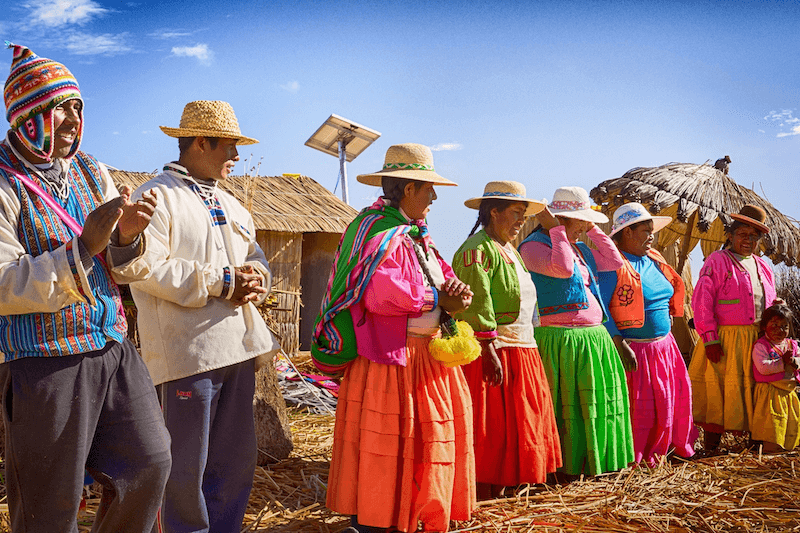
Lake Titicaca is a unique blend of nature, culture, and history. From the vibrant Uros Islands to the tranquil waters, it offers diverse experiences.
Embrace the rich traditions and stunning landscapes. Whether you’re seeking adventure or relaxation, this incredible destination promises an unforgettable journey. Cherish every moment and make memories that last a lifetime. Make the most of your Lake Titicaca trips by planning ahead and traveling responsibly.
Q&A
What are the main ways to travel from Cusco to Lake Titicaca (Puno), and how do they differ?
You have three solid options. The Andean Explorer train is the most luxurious and scenic choice. Reliable buses are the most affordable and take about 7–8 hours through Andean landscapes. The fastest way is to fly from Cusco to Juliaca (about 1 hour) and then take a short bus or taxi to Puno. These Cusco to Lake Titicaca travel options vary in cost, time, and comfort.
When is the best time to visit Lake Titicaca, and what should I pack for the weather?
The dry season (May–October) is best for clear skies and comfortable sightseeing, though nights get cold. Pack layers, sunscreen, and sunglasses. If visiting in the wet season (November–April), bring rain gear. Given the high altitude, take it slow and stay hydrated.
Which tours and activities will help me experience the best of Lake Titicaca?
Classic highlights include guided visits to the Uros Floating Islands and full-day trips to Taquile and Amantani for culture and craftsmanship. Adventure-seekers can add kayaking for a fresh on-the-water perspective. Eco-friendly Lake Titicaca tours with local guides are great for learning about preservation while supporting communities.
Which islands are must-see, and what makes each unique?
Uros Floating Islands showcase ingenious reed construction and a traditional way of life. Taquile Island is famed for exquisite handwoven textiles by a Quechua community. Amantani offers welcoming homestays for immersive cultural experiences. On the Bolivian side, Isla del Sol blends scenic hikes with Inca mythology and ruins.
How can I travel responsibly and support local communities at Lake Titicaca?
Choose eco-focused tours and lodgings, support local businesses and artisans, and opt for low-impact activities. Manage your waste, respect wildlife and natural habitats, and be mindful of local customs—simple greetings and cultural sensitivity go a long way.
Where should I base myself to explore Lake Titicaca, and what lodging options are available?
Most travelers base in Puno, which offers a range of hotels and easy access to tours. For deeper cultural immersion, opt for island homestays with local families. Eco-friendly lodges near the lake are another option if you want a nature-focused, sustainability-minded stay. Each choice offers a distinct experience—comfort and convenience in Puno, authentic daily life on the islands, or serene, eco-conscious stays by the water.
How do I get around once I’m at Lake Titicaca?
Use local boats to reach islands and small buses for nearby towns and sites. Guided tours often bundle transport with cultural visits, making logistics simple. Carry local currency for markets and small venues to keep day-to-day travel and purchases smooth.
Is kayaking on Lake Titicaca suitable for beginners, and what other outdoor activities can I expect?
Yes—Lake Titicaca’s generally calm surface makes kayaking beginner-friendly while still rewarding for experienced paddlers. You can also enjoy leisurely boat trips and scenic hikes on the islands, which reveal striking landscapes and great photo opportunities.
Which local festivals should I try to experience?
Three standout events are the Fiesta de la Candelaria in February, Puno Week in November, and the Alasitas Fair in January. Expect vibrant parades, traditional music, and dance that spotlight the region’s blend of indigenous traditions and Spanish influences.
What traditional foods should I try around the lake?
Don’t miss grilled trout, hearty chairo stew, and comforting quinoa soup—often accompanied by rustic bread or grains. Enjoying these dishes by the lakeside adds to the culinary experience.