Lake Titicaca, the world's highest navigable lake, is a marvel of nature and culture. Nestled between Peru and Bolivia, it offers a unique blend of breathtaking landscapes and rich traditions. This travel guide will help you explore Lake Titicaca from Peru, uncovering its hidden gems and cultural treasures.
Adventure photographers will find endless inspiration in the lake's stunning vistas and vibrant local life. Cultural anthropologists can delve into the unique traditions of the indigenous communities. From the Uros Floating Islands to Taquile's weaving heritage, each island tells a story.
Sustainable tourism is key to preserving this delicate ecosystem. Respecting local customs and supporting community initiatives enriches your travel experience. Whether you're capturing images or documenting traditions, Lake Titicaca offers a journey into the heart of Peru's cultural heritage.
Why Visit Lake Titicaca? The Allure of the World’s Highest Navigable Lake
Lake Titicaca captivates with its blend of natural splendor and cultural depth. Its high altitude creates a mystical atmosphere, offering unparalleled views of azure waters and surrounding peaks.
This lake is not just about vistas; it holds deep cultural significance. The local Uros and Quechua communities share rich traditions that have withstood the test of time. For those interested in living heritage, the islands provide a dynamic glimpse into indigenous life.
Key attractions include the handwoven Uros Floating Islands and the panoramic views from Taquile Island. Each destination offers unique experiences that connect visitors with the lake's past and present.
- Uros Floating Islands, rich in cultural heritage
- Taquile Island and its UNESCO-recognized textiles
- Amantani Island's authentic homestays
Lake Titicaca's serene yet vibrant environment makes it a must-visit. The region invites you to explore its beauty while respecting its profound cultural significance.
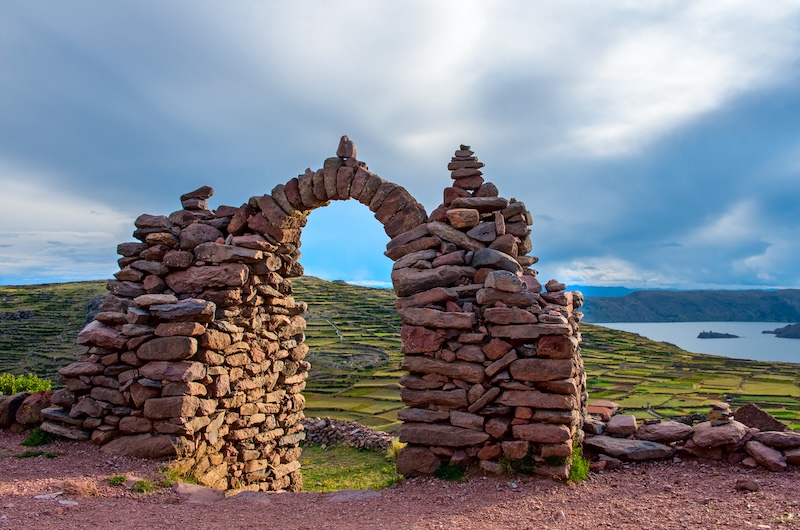
Planning Your Journey: How to Get to Lake Titicaca from Peru
Reaching Lake Titicaca from Peru is a rewarding journey. Puno serves as the main gateway, providing easy access to the lake's wonders. This charming town offers various travel options to suit diverse preferences.
Travelers can fly into Juliaca Airport, located about an hour from Puno, with regular flights from Lima and Cusco. For those who enjoy scenic routes, consider the stunning train journey from Cusco, offering breathtaking views of the Andes.
From Puno, the journey to the islands continues by boat. Many tours include visits to multiple islands, offering a comprehensive experience of the lake's cultural richness. Once in Puno, local transport options and organized tours make getting around convenient.
- Fly to Juliaca, then a short drive to Puno
- Train from Cusco for panoramic views
- Boat tours from Puno to explore the islands
Planning your journey carefully ensures a seamless and enriching trip. Each mode of transportation offers its own unique perspective of Peru's diverse landscapes.
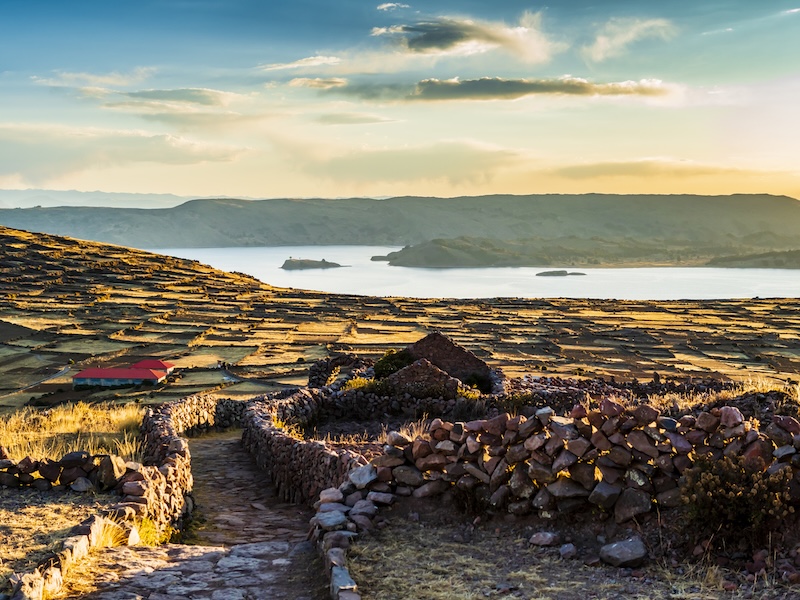
When to Go: Climate, Weather, and the Best Time for Lake Titicaca Tours
Lake Titicaca sits at high altitude, leading to unique weather patterns. The region enjoys sunny days but experiences chilly nights, especially in winter. Knowing when to visit can enhance your experience.
The dry season, from May to October, is ideal for exploring. During these months, the weather is more predictable with less rain, making it perfect for outdoor activities. The skies are clear, offering stunning views and great photo opportunities.
In the wet season, November through April, rain can be more frequent. However, the landscape turns lush and green, offering a different kind of beauty. Travelers should be prepared for varying conditions in this period.
- Dry season: May to October
- Wet season: November to April
- Expect colder nights year-round
Check the weather forecast before your trip and pack accordingly. Proper preparation ensures comfort and enjoyment during your adventure.
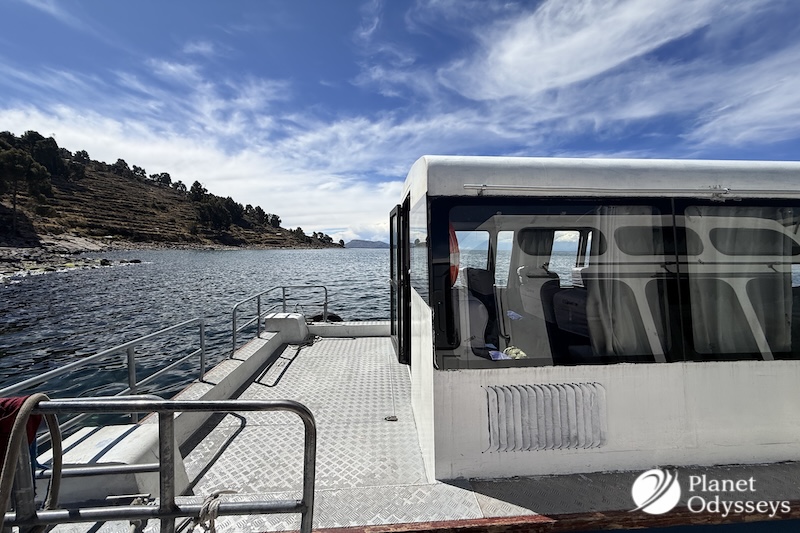
Lake Titicaca Boat Tours: Exploring the Lake’s Iconic Islands
Embarking on a boat tour of Lake Titicaca is an unforgettable experience. The lake is peppered with islands, each offering unique cultural insights. Tours range from brief day trips to immersive multi-day journeys.
Visitors often start from Puno, the main gateway to the lake. From here, boats venture to the famous Uros Floating Islands, among other destinations. Each stop reveals new perspectives on life around the lake.
Boat tours offer intimate glimpses into the lives of local communities. On Taquile and Amantani, visitors interact with people deeply connected to their traditions. These islands offer unforgettable landscapes and warm hospitality.
Guided tours typically include cultural activities. Participate in traditional weaving demonstrations or join local dances. Knowledgeable guides enrich the experience, sharing stories and histories of the lake.
- Common tours: Day trips, multi-day excursions
- Start point: Puno
- Activities: Weaving, traditional dances
Planning a tour ensures you capture the essence of Lake Titicaca. Consider your interests when choosing between short or extended trips.
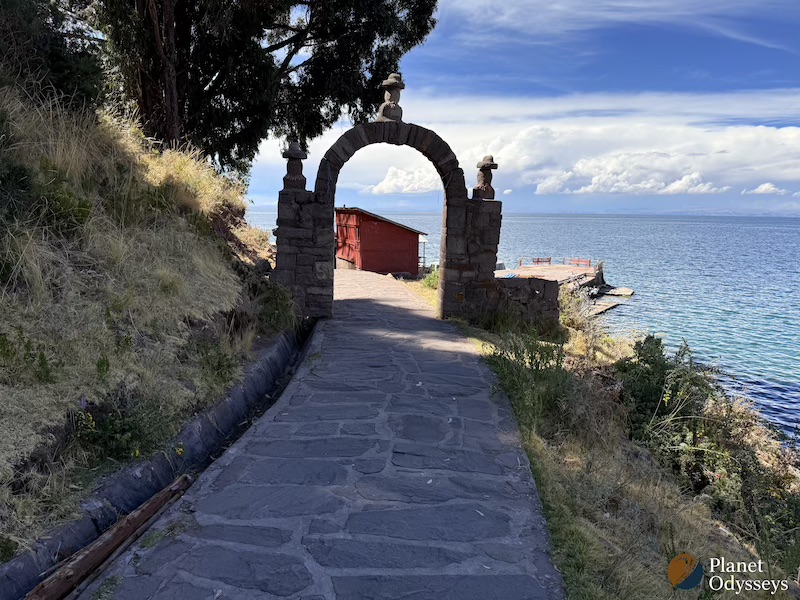
Uros Floating Islands: Life on the Reeds
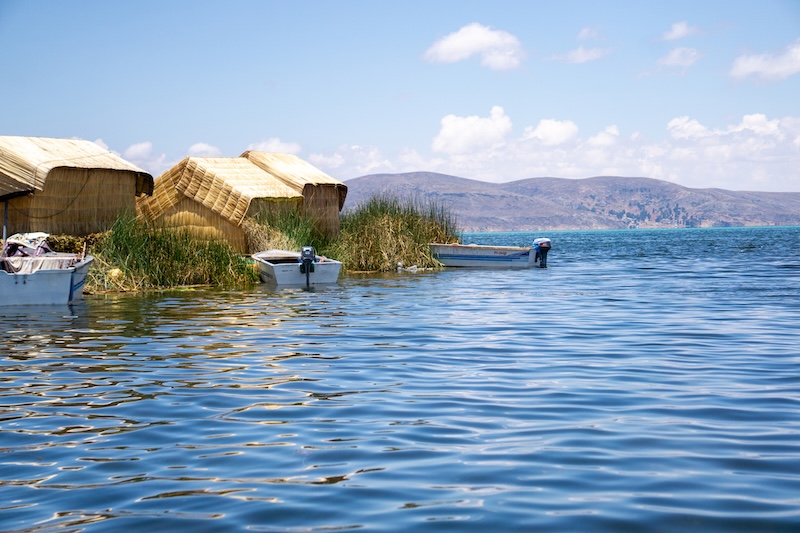
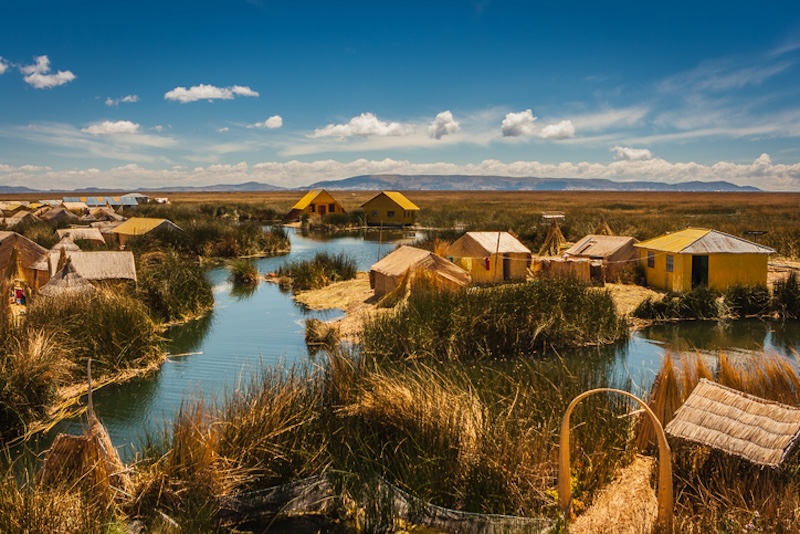
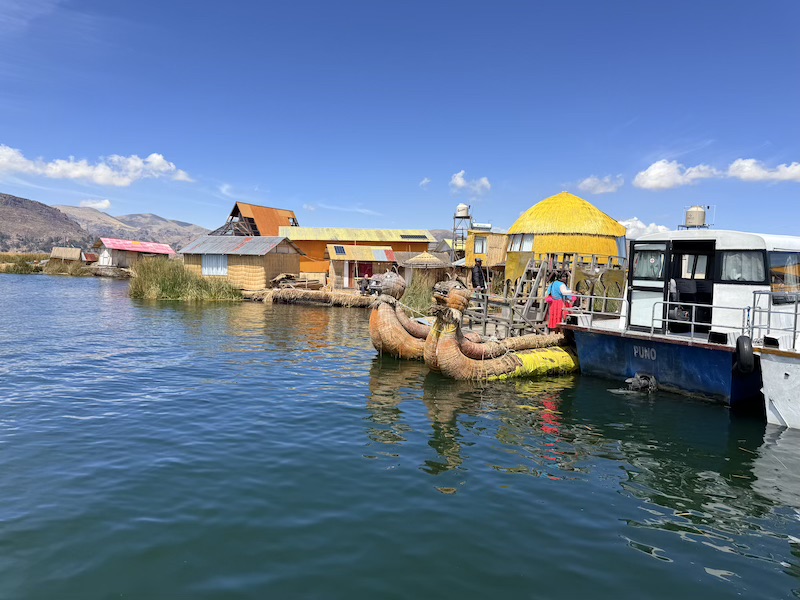
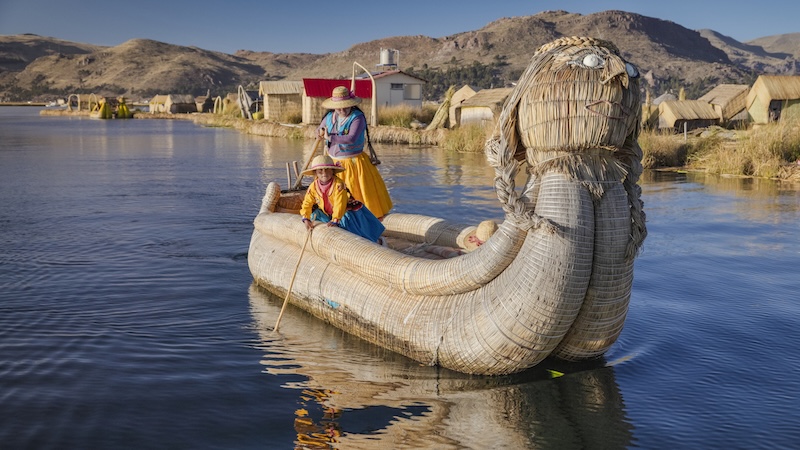
The Uros Floating Islands are a marvel of human adaptation. Constructed entirely of totora reeds, they are home to the Uros people. This floating life is unlike anything else in the world.
A visit reveals the ingenious techniques used to build and maintain the islands. Walking on the bouncy reed surface is a unique experience. The Uros community is warm, eager to share their way of life.
Tours often include a demonstration of traditional crafts. Witness the making of reed boats and handicrafts. Purchasing crafts supports the local community, fostering sustainable tourism.
- Material: Totora reeds
- Activities: Reed boat making, handicrafts
- Community: Uros people
These islands highlight the harmony between humans and nature. Uros is a testament to sustainable living.
Taquile Island: UNESCO Weaving Traditions and Panoramic Views
Taquile Island is renowned for its vibrant weaving traditions. Recognized by UNESCO, the island’s textile art is both intricate and beautiful. Walking the island's paths offers insights into these cultural practices.
The island is also famous for its stunning vistas. Hike the trails to enjoy expansive views of the lake and the Andes. These scenic spots are prime for photography, capturing the serene beauty of the area.
- Highlights: Weaving, hiking
- Recognition: UNESCO cultural heritage
- Views: Panoramic lake and mountains
Visitors are often invited to learn about local weaving techniques. Purchase authentic textiles as unique souvenirs of your journey.
Amantani Island: Homestays and Authentic Cultural Immersion
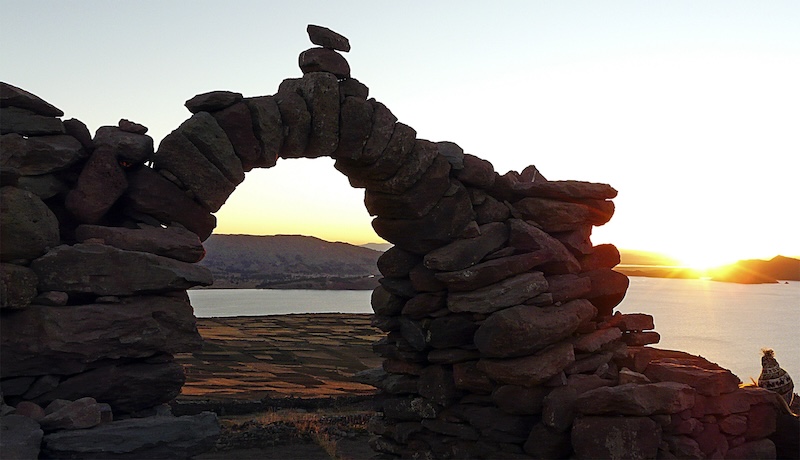
Amantani Island offers an intimate cultural experience through homestays. Living with a local family provides deep connections and understanding of daily life. Guests are welcomed with hospitality and traditional meals.
The island is car-free, ensuring a peaceful environment. Walk among the island’s terraces, learning about traditional agriculture and customs. Evening gatherings often feature local music and dance.
- Accommodation: Homestays
- Features: Car-free, agriculture
- Activities: Music, dance
These experiences are treasured by visitors seeking genuine cultural exchange. Staying on Amantani immerses travelers in the soul of Lake Titicaca.
Beyond the Mainstream: Off-the-Beaten-Path Experiences Around Lake Titicaca
Venturing beyond Lake Titicaca's well-trodden paths rewards adventurous travelers with unique experiences. These lesser-known spots offer fresh perspectives on the region’s rich culture and natural beauty.
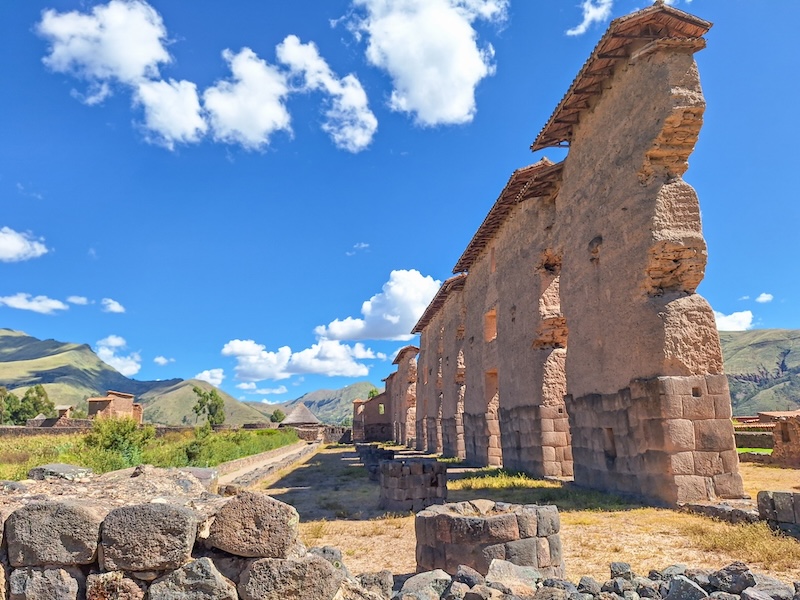
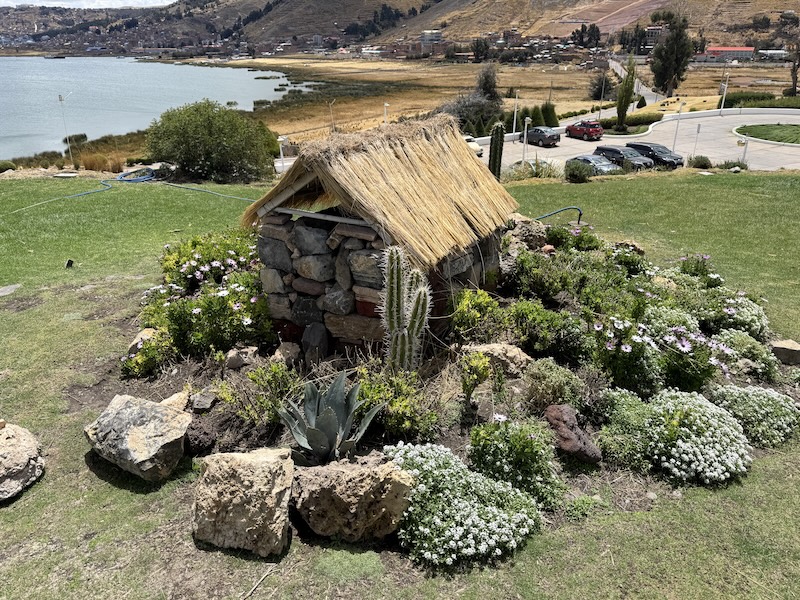
The Sillustani burial towers, located near Puno, provide a glimpse into pre-Inca civilizations. These towering structures are surrounded by a stunning high-altitude landscape, perfect for exploration and photography.
For a deeper cultural experience, visit local communities involved in sustainable tourism initiatives. Here, interactive workshops reveal traditional skills, from pottery-making to agricultural practices. These experiences foster mutual respect and cultural exchange.
Journeys to these hidden gems require careful planning but promise unforgettable insights. The tranquility and authenticity of off-the-beaten-path destinations are perfect for those seeking meaningful travel experiences. Prepare to be captivated by the stories and landscapes that await.
- Off-the-beaten-path highlights:
- Sillustani burial towers
- Sustainable tourism initiatives
- Interactive cultural workshops
Which Lake Titicaca Tour Should You Choose?
Traveler Type | Recommended Tour |
|---|---|
Short stay | |
Cultural immersion | |
Scenic + culture | |
History lovers |
Sustainable Tourism at Lake Titicaca: Responsible Travel Tips
Embracing sustainable tourism is vital at Lake Titicaca. The region's delicate ecosystems and vibrant cultures require thoughtful travel practices.
Supporting community-based tourism initiatives ensures that your visit contributes positively. By choosing locally-operated tours and accommodations, you directly aid residents and preserve traditional ways of life.
Reduce your environmental footprint by minimizing waste and respecting cultural norms. Use eco-friendly products, and be mindful of the impact of your actions. Such practices help protect the lake's pristine beauty for future generations.
Before visiting, familiarize yourself with local customs and languages. This respect can lead to richer interactions with the communities you encounter.
- Responsible travel tips:
- Support local businesses
- Reduce waste
- Respect cultural norms
Photography Tips: Capturing Lake Titicaca’s Unique Light and Life
Lake Titicaca offers unparalleled opportunities for photographers. Its unique geography and high altitude create distinctive light conditions. These elements combine to produce striking contrasts and vibrant hues.
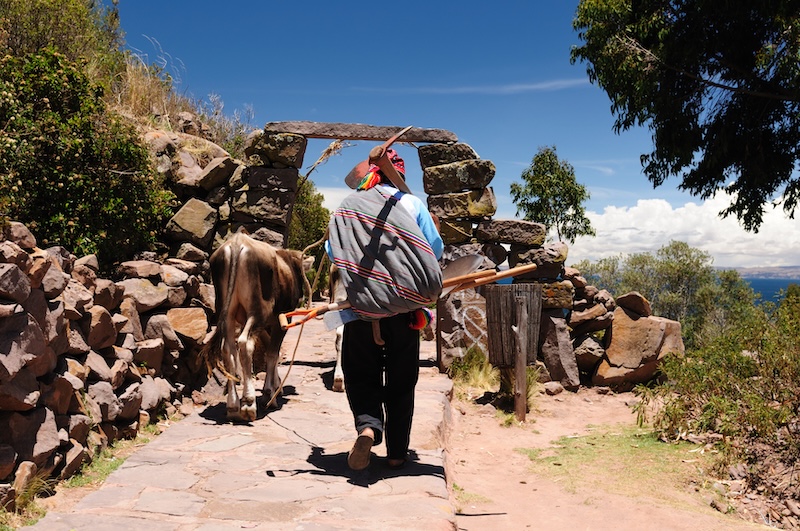
The lake's daily rhythms offer a rich tapestry for your lens. Early mornings reveal misty stillness, while sunsets paint the water with fiery colors. Each island presents its own visual story, from the reed-built Uros to the textiles of Taquile.
Engage with locals to gain perspective on capturing cultural nuances. Portraiture and candid shots of traditional activities enrich your portfolio. Respectful, interactive photography fosters authentic experiences and meaningful exchanges.
- Photography tips:
- Capture varied light conditions
- Engage with local culture
- Discover unique island perspectives
Cultural Experiences: Traditions, Rituals, and Living Heritage
Lake Titicaca is a living gallery of indigenous heritage. Each island embodies unique traditions and customs. The local Quechua and Aymara people preserve these practices through daily life and celebrations.
Engagement with island communities offers rare anthropological insights. Rituals honoring deities, agricultural practices, and traditional music and dance are essential. Observing these elements provides a deep understanding of the region's cultural landscape.
To fully appreciate this living heritage, consider joining local events and festivals. The Candelaria Festival in Puno is a vibrant expression of identity, featuring music, dance, and intricate costumes. Such participatory experiences are invaluable for research and publications.
- Key cultural insights:
- Participate in local rituals and ceremonies
- Explore traditional agricultural practices
- Attend festivals for immersive experiences
Combining Machu Picchu and Lake Titicaca: The Ultimate Peruvian Journey
Embark on the ultimate adventure combining two iconic destinations. Begin by exploring the mystical ruins of Machu Picchu. This ancient Incan citadel offers a glimpse into Peru's storied past and stunning mountain vistas.
From Machu Picchu, journey to the serene beauty of Lake Titicaca. Here, immerse yourself in the local culture and explore its breathtaking islands. This combination offers a rich tapestry of history, nature, and culture.
Consider an itinerary that balances both destinations' magic. Experience the Incan grandeur and the lake's living traditions. This duo provides travelers with an unforgettable glimpse into Peru's diverse heritage.
- Suggested itinerary ideas:
- Explore Machu Picchu's ancient ruins
- Travel to Lake Titicaca's iconic islands
- Engage in cultural exchanges with local communities
Practical Travel Tips: Health, Altitude, Packing, and Local Etiquette
Travelers to Lake Titicaca must prepare for high altitude. The lake sits at over 3,800 meters (12,500 feet). Consider spending a few days in Cusco to acclimate before visiting.
Packing is also essential for a comfortable trip. Days can be warm, but nights are cold. Layered clothing is recommended to adjust to changing temperatures. Don't forget sunscreen and a reusable water bottle to stay hydrated.
Respecting local customs enhances your travel experience. Learning simple phrases in Quechua or Aymara can be appreciated. Always ask permission before taking photos of people or sacred sites.
- Essentials for your trip:
- Lightweight, layered clothing
- Sun protection
- Reusable water bottle
- Basic Quechua or Aymara phrases
Where to Stay: Accommodation Options in Puno and on the Islands
Puno offers a range of accommodations to suit any budget. From luxurious hotels with lake views to cozy hostels, there's something for every traveler. Staying here gives easy access to lake tours and city experiences.
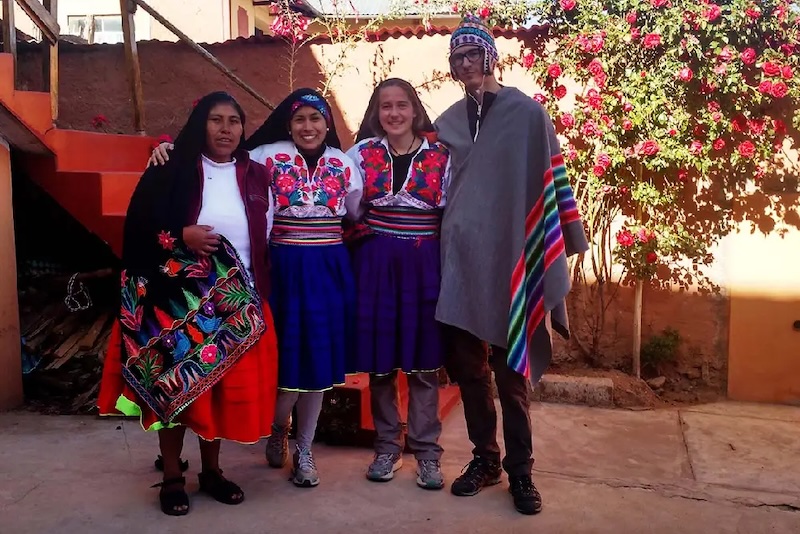
For a more immersive experience, consider staying on one of the islands. Homestays on Amantani or Taquile offer authentic cultural connections. Participate in daily life and enjoy the serene environment.
- Accommodation options:
- Luxurious hotels in Puno
- Budget-friendly hostels
- Island homestays
Essential Experiences: Festivals, Food, and Local Markets
Experience Lake Titicaca's vibrant culture through its festivals and flavors. The annual Candelaria Festival in Puno is a highlight, bursting with music and dance. It's a vivid spectacle of traditional costumes and age-old rituals.
Sampling the local cuisine is a must. Enjoy dishes like trout from the lake and hearty quinoa soup. Markets are perfect to taste and buy local flavors and crafts. They offer a glimpse into the daily life of the local communities.
- Must-try experiences:
- Candelaria Festival
- Local cuisine like trout and quinoa
- Traditional markets for food and crafts

Conclusion: Lake Titicaca as a Living Tapestry of Culture and Nature
Lake Titicaca is more than a destination; it's an emblem of resilience and cultural vibrancy. This serene body of water, rich with tradition, offers a unique chance to dive into Peru's heritage.
The intertwining of nature and human history creates an inspiring narrative. Travelers discover a profound connection between the lake's beauty and its people. Whether you photograph its landscapes or study its cultures, Lake Titicaca invites you to explore and cherish its living tapestry.