Exploring the Beauty of Andahuaylillas Chapel
Nestled in the heart of the Peruvian Andes lies a hidden gem, the Andahuaylillas Chapel. Known as the "Sistine Chapel of America," this church captivates with its breathtaking beauty. Its walls tell stories of a rich cultural tapestry, blending Spanish and indigenous influences.
The chapel is a masterpiece of art and architecture. It showcases intricate murals and a stunningly painted ceiling. Each detail reflects the skill and creativity of its creators. Visitors are often left in awe of its opulent interior.
Located in the quaint town of Andahuaylillas, Peru, the chapel is a must-visit for those exploring the region. It offers a unique glimpse into the area's colonial history. The chapel is part of the Andean Baroque Route, a journey through time and culture.
For travel agents and adventure guides, the chapel presents an opportunity to offer clients a culturally immersive experience. It is a testament to the enduring legacy of art and faith in the Andes.
Discovering Andahuaylillas: The Sistine Chapel of America
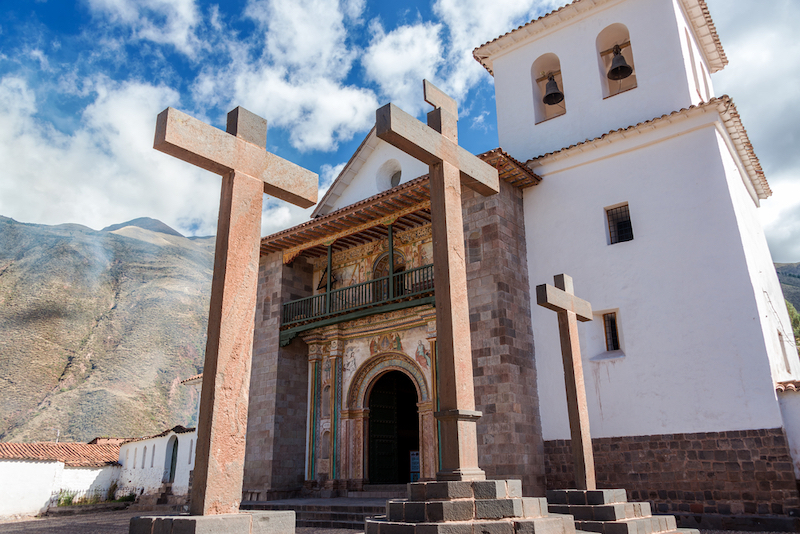
Located just 40 kilometers southeast of Cusco, the town of Andahuaylillas is a serene escape from the bustling tourist hotspots. Here, the jewel in its crown is the Andahuaylillas Church, affectionately called the "Sistine Chapel of America." This name pays homage to the church's remarkable frescoes that cover its walls and ceiling.
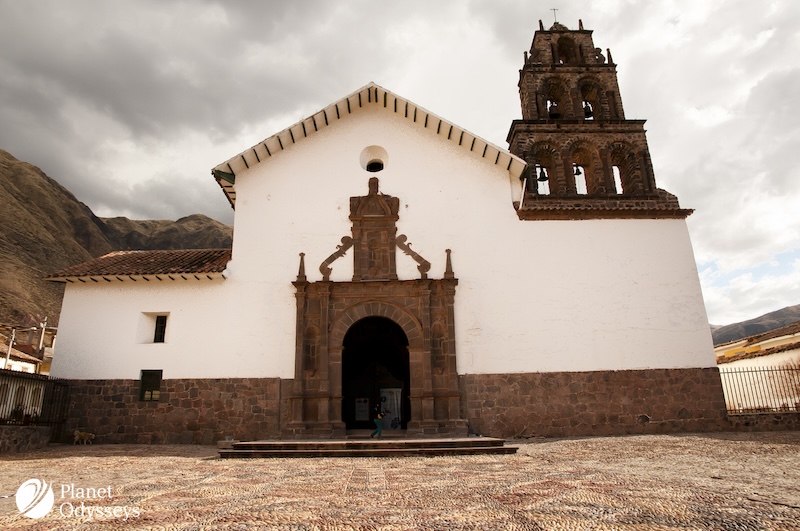
The chapel's allure lies in its harmonious blend of cultures. Visitors are greeted by a simple exterior, which surprises with a sumptuous interior teeming with rich Baroque details. The vibrant murals and gold leaf decorations exhibit the creativity and dedication of the artists who worked under the Jesuit missionaries.
Visitors to the Andahuaylillas Church can enjoy:
Stunning murals depicting religious scenes and teachings.
A grand altar lavishly adorned with gold leaf.
A unique pipe organ from the 17th century, still resonating with beautiful melodies.
Each element inside the chapel tells a story of cultural fusion and faith. The detailed murals, portraying everything from religious icons to indigenous motifs, offer insights into the religious teachings of the time. It's no wonder the Andahuaylillas Chapel stands as a beacon of artistic and cultural significance, an embodiment of a dynamic era in Peruvian history.
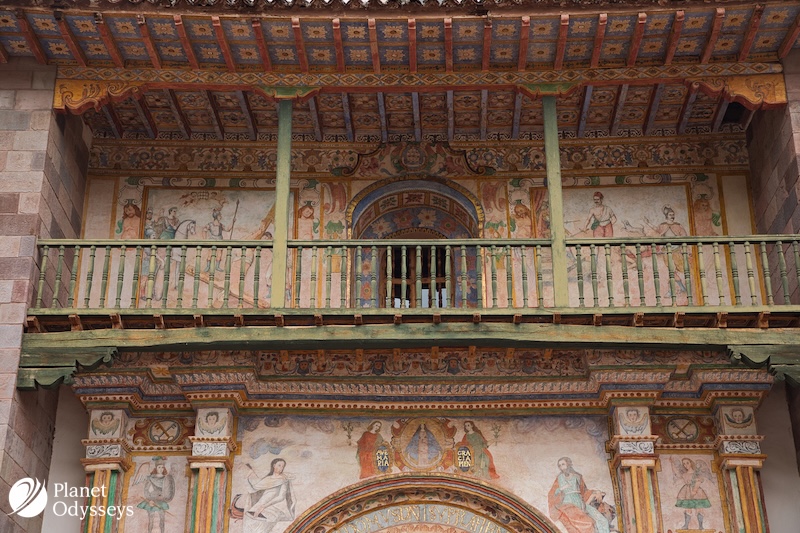
Historical Background: The Birth of a Masterpiece
Andahuaylillas Chapel, constructed in the late 16th and early 17th centuries, stands as a testament to the artistic vigor of the colonial period. The town of Andahuaylillas, deeply embedded in the Sacred Valley, was an important hub where Spanish conquest and indigenous culture intersected. This unique mix is vividly reflected in the chapel's structure and design.
The chapel’s development was spearheaded by Jesuit missionaries who sought to impart Catholic teachings through art. They collaborated with local artisans to erect a building that would serve both as a place of worship and a statement of cultural synthesis. The indigenous artists, already skilled in local crafts, were encouraged to infuse their own artistry, resulting in a remarkable blend of Baroque, Renaissance, and Andean styles.
The culmination of these artistic endeavors is evident in the intricate murals and the grand altar. These elements not only dazzle with their beauty but also narrate the dynamic history of cultural exchange between European and indigenous worlds. Today, Andahuaylillas Chapel stands as a monument to this historic confluence, inviting travelers to step back in time and experience its enduring legacy.
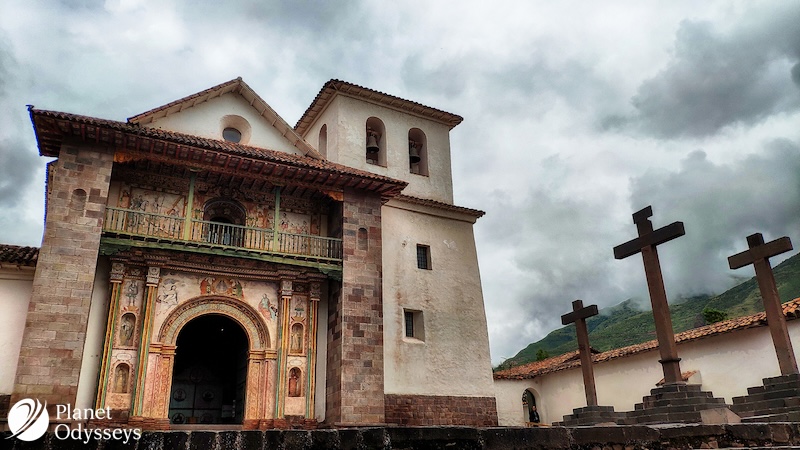
Artistic Marvels: Murals, Altars, and the Cusco School
Andahuaylillas Chapel captivates with its resplendent interior, earning its nickname, the "Sistine Chapel of America." Its walls and ceilings brim with vibrant murals, each telling stories of faith and cultural interaction. These works are masterpieces of the Cusco School, which blended European and indigenous artistic techniques.
The chapel's main altar is a breathtaking example of Baroque art. Decorated in gold leaf, it gleams brilliantly, drawing the eye and evoking a sense of divine grandeur. This opulent display stands in stark contrast to the chapel's simple facade, adding to its mystique and allure.
Artistic highlights within the chapel include depictions of biblical scenes intertwined with Andean elements. These murals portray key events like the Last Judgment and the Path to Heaven and Hell. Such imagery provided moral and religious instruction, deeply influencing the region's spiritual life.
The ceiling, painted as a starry sky, adds another layer of symbolism. It acts as a bridge between the earthly and the divine, inviting reflection. The use of indigenous motifs within this celestial setting reflects the artists' skill in harmonizing different cultural elements.
Notable features of Andahuaylillas Chapel include:
Vivid murals depicting biblical narratives
A grand Baroque altar embellished with gold
A painted starry ceiling symbolizing the heavens
Artistic works by the Cusco School, highlighting cultural fusion
These masterpieces are more than just decorative; they are cultural records. They showcase the resilience and creativity of the artists who forged them. Appreciating them offers insights into the complex history of the Andes, making a visit to Andahuaylillas Chapel a deeply enriching experience.
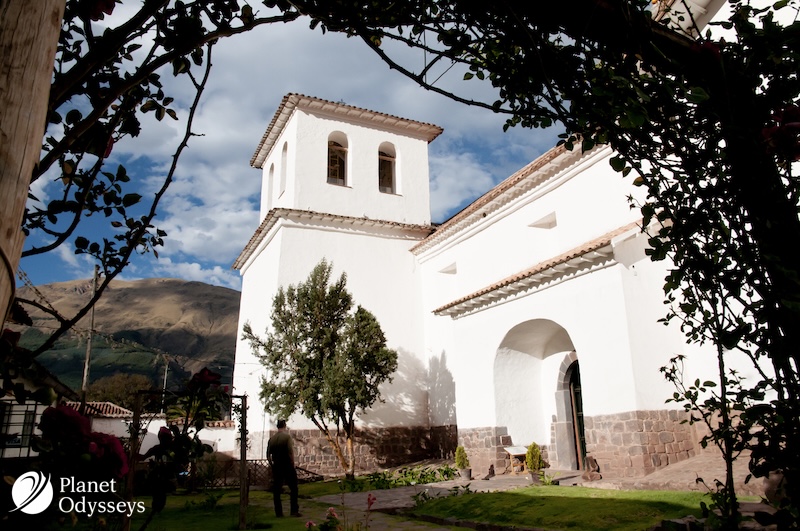
Cultural Fusion: Indigenous and Spanish Influences
Andahuaylillas Chapel is a vivid symbol of cultural fusion, reflecting the intermingling of Spanish and indigenous influences. Built during the colonial era, it stands as a testament to the complex history of collaboration and resistance. The art inside reveals how these cultures blended, yet retained distinct identities.
The architecture and decor display a mix of Baroque, Renaissance, and native motifs. Indigenous artists, under the supervision of Jesuit missionaries, produced stunning works that honored both their traditions and new religious teachings. This artistic collaboration gave rise to the Cusco School, celebrated for its unique style.
In the chapel, you can find elements such as:
Indigenous symbols, like the Andean cross
Baroque ornamental designs, linking to European style
Narrative murals with Andean interpretations
These elements show how artists adapted European religious themes to local customs, creating art that spoke to both worlds. The result is a profound cultural synthesis, illustrating the resilience and creativity of Andean people during colonization.
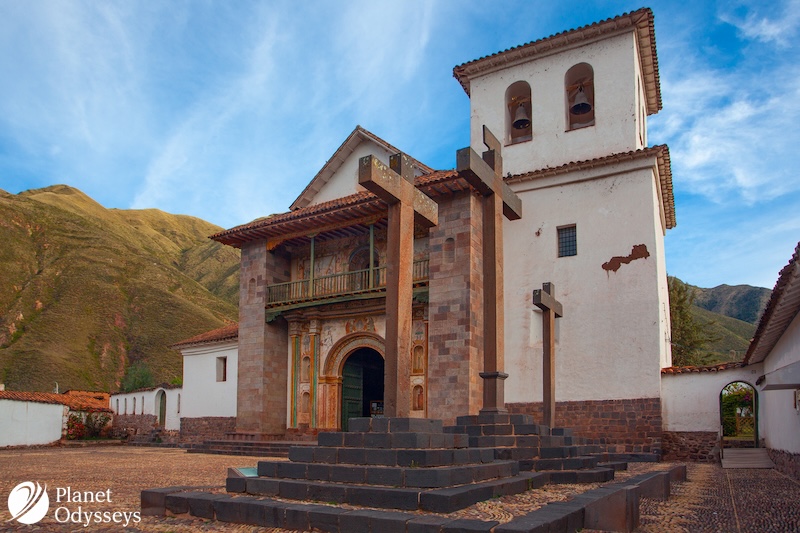
The Chapel’s Role in the Community and Spiritual Life
Andahuaylillas Chapel is more than a historic site; it is a living part of the community. Regular services bring the locals together, maintaining its role as a spiritual anchor. Visitors often witness the deep connection between the chapel and the town's residents.
This vibrant connection extends beyond religious services. The chapel hosts various community events, cementing its significance in local cultural life. It serves as a place for reflection, education, and celebration of Andean identity. This connection to everyday life highlights the chapel's enduring importance as both a cultural and spiritual beacon in the region.
Visiting Andahuaylillas: Practical Information and Travel Tips
Planning a visit to the Andahuaylillas Chapel offers a rich experience for those interested in cultural and historical sites. Located just 40 kilometers from Cusco, it’s accessible by public transport or private tours. This proximity makes it a convenient stop along the Cusco-Puno route.
When visiting, remember that photography inside the chapel is generally prohibited to protect its precious artwork. Respecting this rule helps preserve the integrity of the site for future generations. Outside, however, you're welcome to capture the stunning Andean landscape.
Local guides are available and can enrich your visit with detailed stories and historical insights. A guided tour typically includes explanations of the art and architecture, providing a deeper understanding of its cultural significance. This makes it an educational journey as well.
Consider these practical tips to enhance your visit:
Check opening hours in advance, as they can vary.
Dress modestly to respect the site's sacred nature.
Bring cash for entrance fees or local crafts as credit cards are often not accepted.
Hire a local guide to enhance your experience with in-depth knowledge.
By planning carefully and engaging with the local community, you ensure a visit that is both respectful and rewarding.
Responsible Tourism: Supporting Preservation and Local Culture
Visiting Andahuaylillas Chapel comes with the responsibility of sustaining its cultural and historic value. As a traveler, your actions can directly support local preservation efforts. The site, managed by the Jesuit Order, thrives on community and visitor support for its upkeep.
Engaging with the local community not only benefits the chapel but also enriches your experience. Purchasing handmade crafts or contributing donations aids in maintaining this vital cultural landmark. Your support ensures that future generations can appreciate its beauty.
Ways to support preservation:
Purchase local crafts from vendors.
Contribute to preservation funds.
Respect site rules and guidelines.
Attend local events to understand the community's culture.
Educate yourself and others about the chapel's significance.
By taking part in these activities, you strengthen connections with the local community and help preserve the cultural heritage of Andahuaylillas.
Beyond the Chapel: Exploring Andahuaylillas and the Andean Baroque Route
While the Andahuaylillas Chapel is a centerpiece, the town itself offers more to explore. Nestled in the Sacred Valley, Andahuaylillas boasts a charming atmosphere with traditional markets and community events. It is a perfect spot for immersing yourself in Andean life.
The Andean Baroque Route is another gem for travelers. This scenic path connects the chapel with other noteworthy churches like Huaro and Canincunca. Each site showcases intricate artwork and architectural marvels unique to the region’s cultural tapestry.
Places to explore nearby:
Huaro Church: Famous for its vivid murals.
Canincunca Chapel: Known for its small yet ornate interior.
Local markets: A source for authentic Andean crafts.
Cultural festivals: Witness traditional music and dances.
Traveling along the Andean Baroque Route not only enriches your understanding of Andean art but also highlights the vibrant spirit and traditions still alive in Andahuaylillas.
Crafting Immersive Experiences: Tips for Travel Agents and Guides
Travel agents and guides can enrich their offerings by focusing on unique cultural experiences at Andahuaylillas. Creating an itinerary that highlights the local community, artisanal crafts, and cultural stories will enhance client satisfaction and engagement. Personalizing visits to align with each client's interests helps create unforgettable memories.
Consider incorporating local traditions and customs into your tours to foster a genuine connection with Andean culture. Engaging with the community allows visitors to experience the vibrant heritage of Andahuaylillas firsthand.
Ideas for enhancing experiences:
Arrange guided storytelling sessions with local historians.
Include workshops on traditional Andean crafts.
Organize interactions with community artists and performers.
By focusing on these aspects, agents and guides can craft truly immersive and educational experiences.
Conclusion: The Enduring Legacy of Andahuaylillas Chapel
Andahuaylillas Chapel stands as a testament to Peru's rich tapestry of art, history, and culture. Its awe-inspiring beauty and spiritual ambiance offer visitors a profound connection to the past. This iconic site not only preserves the blending of Spanish and indigenous influences but also continues to inspire and educate travelers from around the world.
Andahuaylillas Chapel is famous for its stunning colonial-era artwork, gold-leaf altars, and colorful murals, earning it the nickname “The Sistine Chapel of the Andes.”
Andahuaylillas Chapel is located in the town of Andahuaylillas, in the Quispicanchi Province, about 40 km (25 miles) southeast of Cusco, Peru.
Andahuaylillas is about 45 minutes to 1 hour from Cusco by car, depending on traffic and route.
Yes, it’s absolutely worth visiting—especially if you enjoy history, colonial art, and cultural heritage. It’s one of the most beautiful small churches in Peru.
It’s called the “Sistine Chapel of the Andes” because of its richly painted interior, detailed ceilings, murals, and religious artworks that cover the church in a breathtaking way.
Inside you’ll see:
Beautiful wall and ceiling paintings
A gold-covered main altar
Religious artwork from the colonial period
Unique details blending Andean and Catholic traditions
Most travelers spend around 20 to 40 minutes inside the chapel, including time for photos and reading about the history.
Photos are restricted
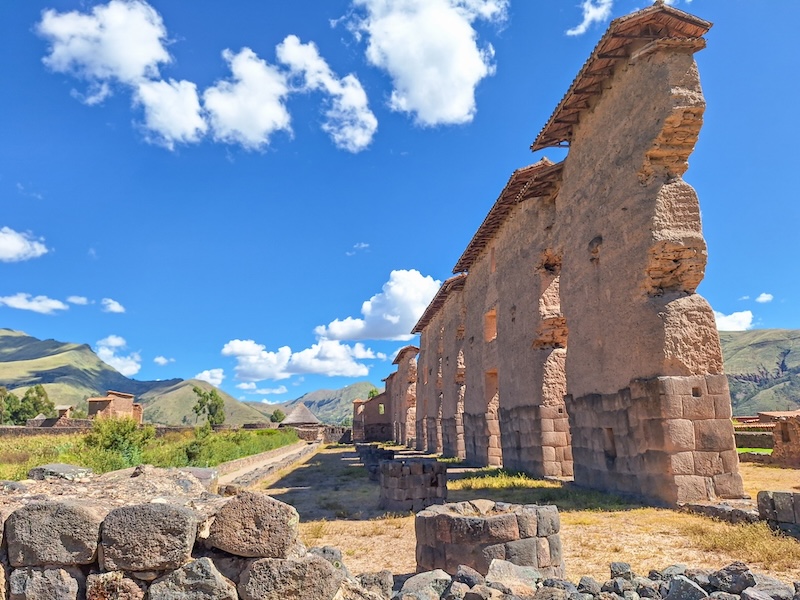
It is not inside the classic Sacred Valley route, but it is often included in the Cusco to Puno “Sun Route” (Ruta del Sol) along with Raqchi and Pucará.
The easiest way is by:
A guided day tour
A private car from Cusco
The Cusco–Puno Ruta del Sol bus tour
A guide is not mandatory, but it makes the experience much better because the artwork and symbolism have deep historical meaning.
Yes. The visit is short and easy, and there are no difficult hikes. It’s a great cultural stop for families and seniors.
Its official name is San Pedro Apóstol Church (Iglesia de San Pedro Apóstol de Andahuaylillas).
Access depends on the entrance and town streets. The interior is generally easy to walk through, but wheelchair accessibility may be limited due to historic design.
Wear respectful clothing (covered shoulders is a good idea) since it is a religious site. Comfortable shoes are recommended.
Yes, it’s commonly combined with:
Raqchi Temple
La Raya Pass
Pucará
The Cusco–Puno travel route
Morning or midday is ideal for comfortable weather and better lighting for viewing artwork.
Usually, it’s not overly crowded. It tends to be calm compared to major Cusco attractions, except during peak season or tour-bus hours.
disable
[simple-author-box]