Nestled in the heart of the Andes, the Raqchi Archaeological Site is a hidden gem in Peru. This site offers a unique blend of history, culture, and breathtaking landscapes.
Adventure photographers will find Raqchi a paradise for capturing stunning images. The site's adobe and stone structures stand against a backdrop of majestic mountains.
Cultural anthropologists can delve into the rich tapestry of Inca traditions and beliefs. Raqchi was once a vital religious and administrative center during the Inca Empire.
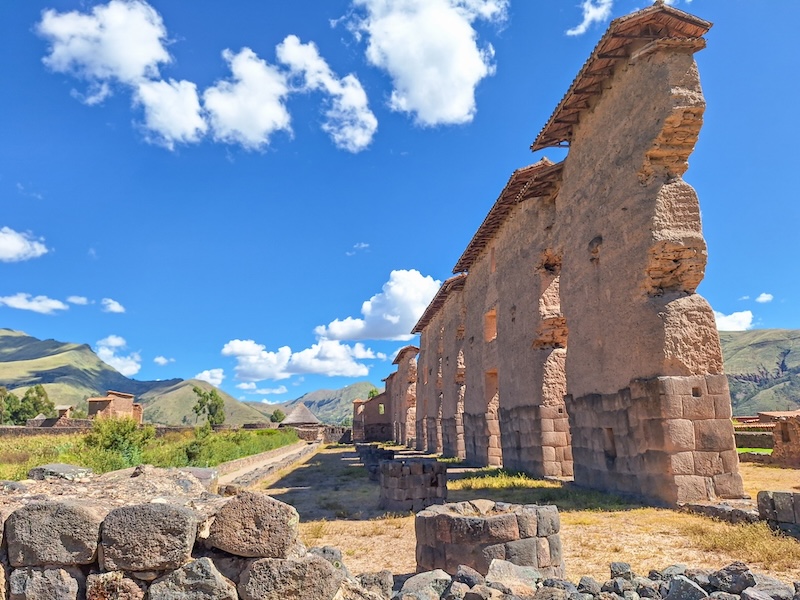
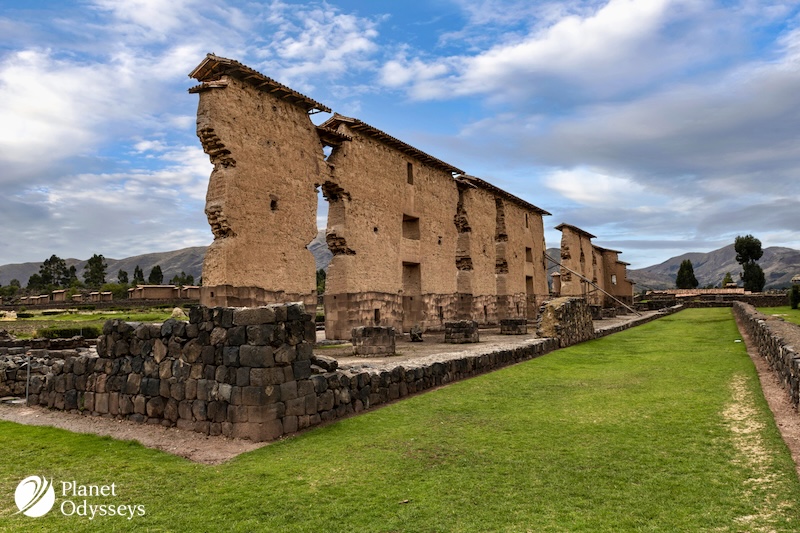
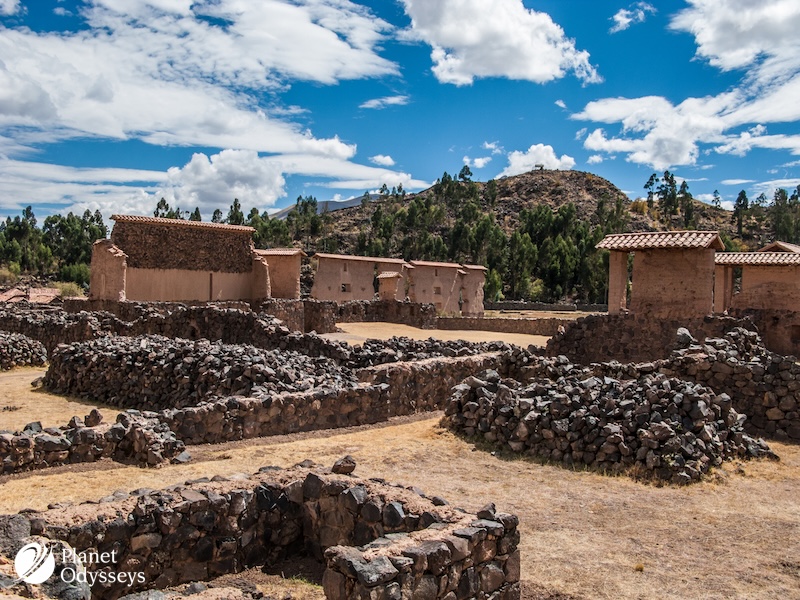
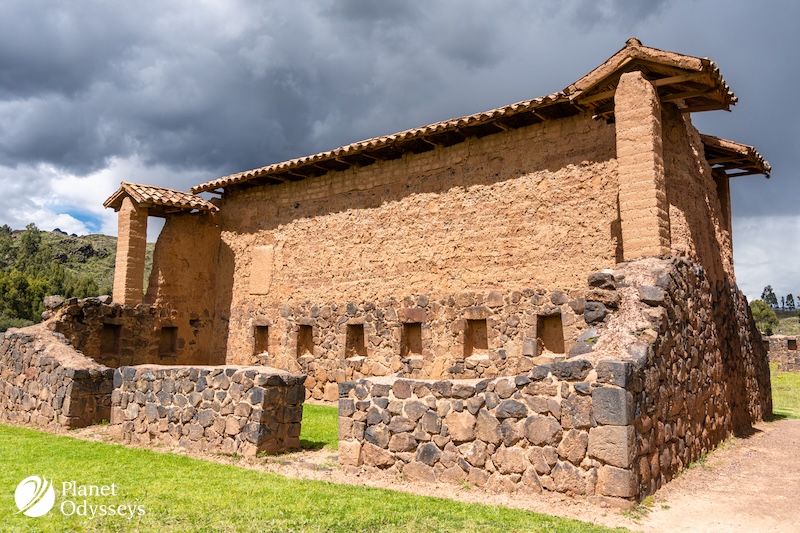
The Temple of Wiracocha, a marvel of Inca architecture, dominates the site. Its unique design features a central adobe wall flanked by stone foundations.
Raqchi is more than just ruins; it's a living cultural landscape. The local community actively participates in sustainable tourism, preserving their heritage.
Visitors can engage with artisans and learn about traditional Andean crafts. The site is a testament to the Inca's engineering prowess and spiritual depth.
Raqchi's remote location ensures a peaceful and intimate experience. It's a place where history, culture, and nature converge, offering endless inspiration.
Discovering Raqchi Archaeological Site: An Overview
Raqchi, located in the Cusco Region, is about 110 kilometers southeast of Cusco City. This historic gem is part of the well-trodden paths of ancient Incas. Yet, it's less crowded than other sites, offering tranquility.
The Raqchi Archaeological Park encompasses the entire area. It's a blend of ruins, natural beauty, and living culture. Surrounding the site are the picturesque Andes.
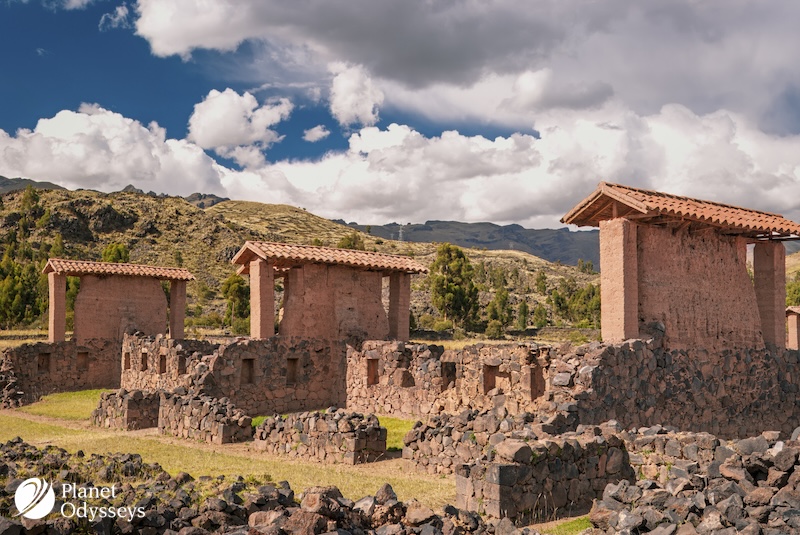
Visitors are often drawn to the site for its stunning architecture and cultural significance. Raqchi's expansive complex includes temples, storehouses, and enclosures.
Raqchi is accessible by road, with convenient public transport options from Cusco. The journey itself is scenic, leading through the heart of the Andean landscape.
The local community in Raqchi is committed to sustainability and eco-tourism. They welcome visitors warmly, offering a glimpse into their traditions and daily life.
Key highlights of Raqchi include:
The Temple of Wiracocha
Numerous colcas (storehouses)
Circular buildings
These elements make Raqchi Archaeological Site a must-visit for those seeking an authentic Peruvian experience.
The History and Significance of Raqchi Archaeological Site
Raqchi's history is rooted deep in Andean tradition and the grandeur of the Inca Empire. The site served as a religious and administrative center. Its strategic position along the Inca Trail highlights its historical importance.
The Temple of Wiracocha stands as a testament to Raqchi's significance. It is one of the largest Inca structures dedicated to Viracocha, the creator deity. The design features a central adobe wall and robust stone foundations.
In addition to the temple, storage facilities known as colcas played a crucial role. They were used to store food and supplies for the community and travelers. The architectural marvels here reflect a blend of Inca and pre-Inca styles.
Raqchi was likely a pilgrimage destination, drawing devotees from across the region. This aspect adds to the site's cultural richness. Today, Raqchi retains its allure through its well-preserved ruins and vibrant local traditions.
Key historical features include:
The expansive Temple of Wiracocha
Numerous colcas for storing goods
A unique blend of Inca and pre-Inca architecture
Raqchi's importance is not just historical but cultural. It remains a living testament to Andean spirituality and community life.
Pre-Inca and Inca Eras
The significance of Raqchi extends back before the Incas. Early influences in the region preceded the grand structures we see today. This hints at a long-standing cultural crossroads.
During the Inca era, Raqchi flourished. It was a vibrant hub in both religion and trade. The Incas showcased their engineering prowess through Raqchi’s elaborate structures.
The Temple of Wiracocha was pivotal to Inca spirituality. It reflects the Incas' dedication to their pantheon of deities. This structure remains a focal point for understanding their cosmology.
The Incas skillfully combined pre-existing styles with their innovations. This created a blend that is evident in the site's architecture. Such features are a testament to their adaptability and vision.
Raqchi in Colonial and Modern Times
Colonial times brought changes to Raqchi. Spanish influence altered local governance and cultural expressions. The site continued as a community center, albeit under different contexts.
In modern times, Raqchi has emerged as a tourism hub. Preservation efforts are underway, ensuring its cultural heritage endures. The community actively participates in these initiatives, fostering sustainability.
Today, Raqchi stands resilient. It acts as a bridge between the past and the present, inviting exploration. The site's history continues to captivate and educate visitors from all over.
The Architectural Marvels of Raqchi Archaeological Site
Raqchi’s architectural splendor is a marvel to behold. The site is a celebration of Inca ingenuity, showcasing their engineering prowess. Its structures reflect both function and artistic vision.
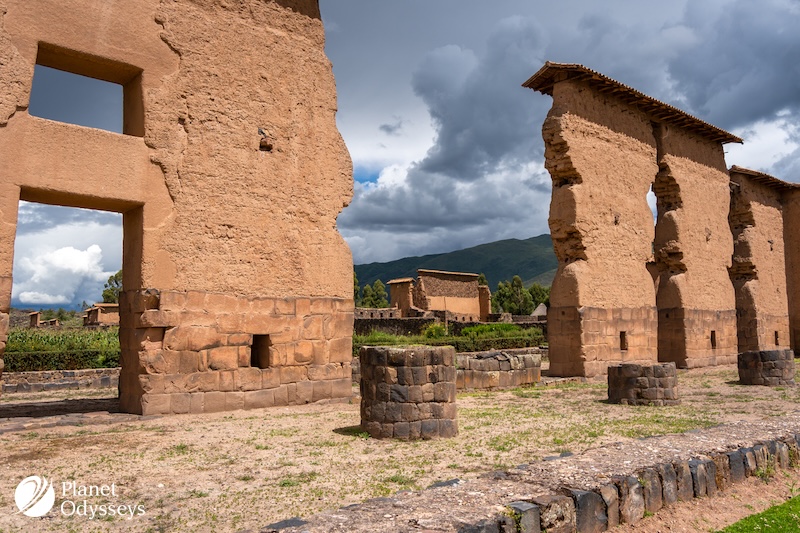
The Temple of Wiracocha draws immediate attention. As you approach, the temple's vast size and unique style are awe-inspiring. Its central wall stands imposingly, flanked by stone columns and bases.
Beyond the temple, Raqchi is dotted with colcas. These storage facilities were vital for food preservation. Their circular design ensured optimal ventilation and temperature control.
Other enclosures served diverse purposes. They supported social gatherings and religious rites. Additionally, they offered refuge to travelers on the Inca trail.
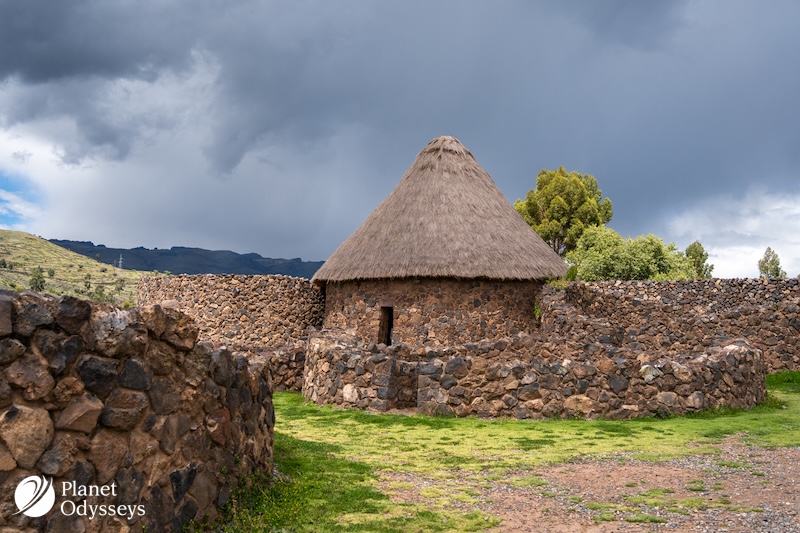
The site's circular buildings are unique. They echo pre-Inca architectural styles, showcasing cultural integration. These structures reveal the site's layered historical narrative.
Water management was another Inca feat at Raqchi. Stone fountains and channels ensured a steady supply. This innovation highlights the site’s self-sufficiency.
Terraces at Raqchi were not just agricultural. They were integral to erosion control and landscape design. Their construction shows an understanding of Andean topography.
Walking through Raqchi, one can admire the intentional layout. Each structure has a purpose, contributing to community life. The harmony between architecture and nature is palpable.
Key architectural features include:
The towering Temple of Wiracocha
Circular storage and enclosures
Ingenious water management systems
Raqchi's ruins inspire awe and appreciation for Inca achievements. Photographers and historians alike find endless intrigue here.
The Temple of Wiracocha: Heart of the Site
The Temple of Wiracocha dominates the landscape with its grand scale. At 92 meters long and 25 meters wide, it astounds visitors. This enormous structure stands as the heart of Raqchi.
Incas dedicated this temple to Viracocha, the creator god. This highlights the site’s spiritual significance. The temple was a center for worship and community gatherings.
Unique features set the temple apart. The central adobe wall, rising high, is flanked by stone columns. These elements form a stunning architectural fusion.
The temple’s grandeur extends to its surroundings. Open spaces encourage gatherings, fostering community bonds. This design reflects the Inca’s value of social cohesion.
Standing within the temple’s remnants, history envelops you. You can almost hear the echoes of chants and celebrations. This palpable sense of history captivates every visitor.
Every corner of the temple speaks to Inca vision. Architectural and spiritual elements interweave seamlessly. This synergy makes Raqchi an unforgettable destination.
The Colcas, Enclosures, and Circular Buildings
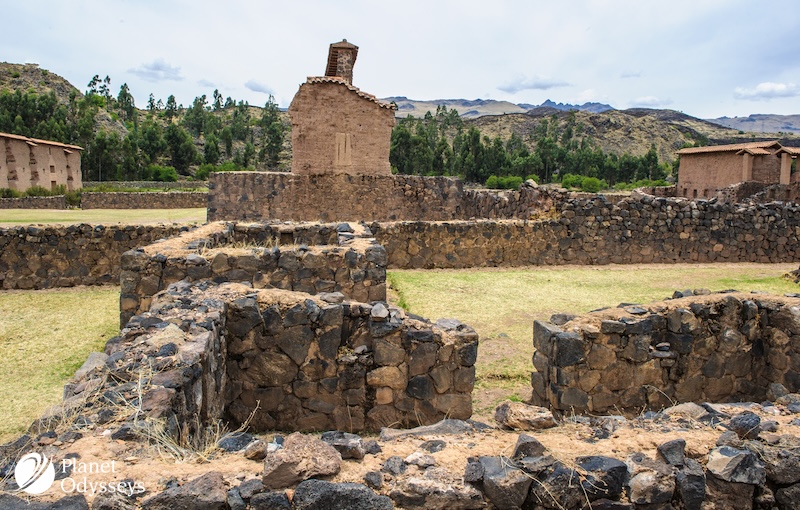
Colcas at Raqchi are more than utilitarian. Their strategic placement optimized food storage efficiency. These round buildings held the community's harvest and supplies.
Adjacent to colcas, enclosures supported social and religious events. They feature robust construction with stone walls. These spaces were essential to the village's communal life.
Circular buildings showcase another architectural layer. They reveal Raqchi's pre-Inca influences. This diversity enriches the site's cultural narrative.
Key architectural elements of these structures include:
Circular storage bins with ventilation features
Multi-use enclosures for gatherings
Pre-Inca style circular constructions
These elements collectively narrate Raqchi's historical and cultural significance. They open windows into the lives of its ancient inhabitants.
Water Fountains, Terraces, and Other Features
Water management at Raqchi was a masterpiece of design. Intricate fountains and channels brought water to the site. These constructions ensured a year-round supply.
Terraces served agricultural and decorative roles. They reduced soil erosion while enhancing landscape aesthetics. This dual function illustrates Inca ingenuity.
Other features include storage areas and pathways. These supported daily life and pilgrimage activities. Each element played a role in creating a self-sufficient community.
Raqchi’s Living Culture: Community and Traditions
Raqchi is not just an archaeological site; it's a living community. The local culture thrives, influenced by history and tradition. Visitors can immerse themselves in this vibrant environment.
The people of Raqchi are guardians of Andean customs. Their daily lives reflect a deep connection to their heritage. Traditional practices continue to shape their way of life.
Community involvement in tourism is significant. Local residents often act as guides. They share stories of Raqchi's past and present, enriching the visitor experience.
Moreover, Raqchi hosts various cultural events throughout the year. These celebrations offer an authentic glimpse into Andean culture. The joy and energy of these festivals are infectious.
Visitors are also encouraged to engage with local artisans. The artisans create beautiful works using traditional methods. Experiencing these crafts provides insights into time-honored skills.
Raqchi’s community is dedicated to preserving their traditions. Their commitment ensures the survival of these cultural expressions. This dedication is both a gift and a responsibility.
Key cultural aspects of Raqchi Archaeological Site include:
Engaging local storytelling and guided experiences
Observing traditional festivities
Learning from skilled artisans
Festivals, Artisans, and Andean Spirituality
Festivals play a central role in Raqchi's cultural life. Each event reflects the community’s deep spiritual roots. The annual celebration of the local patron saint is particularly vibrant.
These festivals are rich in music, dance, and rituals. They connect the past with the present. For visitors, they offer a unique perspective on Raqchi's living traditions.
Local artisans offer another window into Andean culture. Their crafts, from textiles to pottery, tell stories of their own. These artworks embody generations of skill and creativity.
Encounters with artisans reveal the community’s artistic soul. Their dedication to craft preserves ancient techniques. These practices provide an important link to cultural identity.
Central to Raqchi’s traditions is Andean spirituality. This belief system is intertwined with daily life. It informs both community ethics and personal beliefs.
Key cultural experiences to explore:
Participating in local festivals
Engaging with artisans
Learning about Andean spirituality
Raqchi for Adventure Photographers
Raqchi is a paradise for adventure photographers. Its stunning landscapes and unique architecture offer endless creative opportunities. Each visit to this site can produce a new perspective.
The Temple of Wiracocha, with its towering adobe walls, stands as an architectural wonder. Its silhouette against the Andean sky makes for a dramatic composition. Capturing its grandeur requires a keen eye for detail.
The Andean backdrop provides photographers with breathtaking vistas. From the vibrant colors of the sky at sunrise to the mists of dusk, every moment is picture-perfect. The interaction of light and shadow enhances the scene’s beauty.
Raqchi’s lesser-explored angles can yield exceptional shots. Wandering off the beaten path, photographers may discover hidden gems. The diversity of perspectives adds depth to any portfolio.
When documenting Raqchi, engaging with the local community enriches the experience. Portraits of residents reveal authentic stories and emotions. Their expressions and surroundings tell a compelling tale.
Key opportunities for photographers include:
Documenting Inca architecture
Capturing the site's natural beauty
Engaging in cultural portraiture
Best Spots and Times for Photography
To capture Raqchi's essence, timing is crucial. Early mornings offer soft, golden light. This is ideal for photographing the Temple of Wiracocha and surrounding landscapes.
Sunsets cast a warm, enchanting glow over the site. They create vibrant contrasts that highlight architectural details. During this time, the play of light adds depth and texture to your images.
Exploring various angles enhances your photographs. Look for unconventional viewpoints around the site. Unique perspectives can transform ordinary scenes into extraordinary images.
Top tips for photography include:
Shooting at sunrise for warm lighting
Capturing the sunset for dramatic contrasts
Exploring unique angles and compositions
Raqchi for Cultural Anthropologists
Raqchi offers a unique setting for cultural anthropologists. This archaeological site is not just about ancient ruins; it is an active cultural hub. The blend of the past and present is tangible here.
The site is an open window into the Inca civilization. Each structure and artifact tells its own story. They reveal insights into the socio-political life of the Incas.
Local traditions at Raqchi provide a rich field for study. These enduring practices date back to Inca times. Observing local customs helps anthropologists piece together historical lifestyles.
Engagement with the community is vital. The local residents are the living link to the Inca heritage. Their oral histories and practices are invaluable resources.
Annual festivals bring Raqchi’s traditions to life. These events offer a first-hand look at Andean spirituality. The cultural expressions during these times are crucial for research.
Key areas for anthropological exploration include:
Inca religious practices and community life
Local festivals and traditions
Continuing influences of Inca culture
Research Opportunities and Local Engagement
Research at Raqchi presents numerous opportunities. Studying architectural styles provides clues about ancient Inca society. Detailed analysis of construction techniques shows the civilization’s priorities.
Interaction with local artisans is equally important. Their craftsmanship is a link to past skills and techniques. Documenting their work enriches the understanding of continuity in Andean culture.
Anthropologists should take a participatory approach to research. Engaging with the Raqchi community builds trust. It ensures a deeper understanding of their cultural values and traditions.
Potential research activities include:
Participating in artisan workshops
Recording oral traditions and stories
Conducting interviews with community elders
Through these methods, anthropologists can gain a comprehensive view of Raqchi's living heritage.
Sustainable Tourism at Raqchi
Sustainable tourism at Raqchi is a collaborative effort between locals and conservationists. The community plays a critical role in preserving the site. They understand the importance of safeguarding their heritage.
Efforts focus on minimizing environmental impact. Tourism practices aim to leave the least footprint. Visitors are encouraged to respect both the site and its surroundings.
Community-based initiatives are central to these efforts. They include crafting workshops and guided tours led by locals. This approach fosters economic development and cultural pride.
Education is also key in sustainable tourism. By educating visitors, Raqchi promotes responsible behaviors. This ensures the site's longevity for future generations to appreciate.
Notable sustainable practices at Raqchi include:
Community-led tours and workshops
Eco-friendly waste management systems
Educational programs for visitors
Tourists are urged to engage with these practices. By doing so, they help create a positive impact. Every visitor's participation supports Raqchi's ongoing conservation efforts.
Planning Your Visit: Practical Information
Visiting the Raqchi Archaeological Site requires some planning. It's important to gather information to make your trip smooth. Here are some details to consider for an enriching journey.
Raqchi is accessible by road from Cusco. Bus services run regularly, making it convenient for travelers. Renting a car is an option for more freedom.
Timing your visit is essential. The best experience is during the dry months, May through September. Weather conditions are favorable, with minimal rainfall and clear skies.
While visiting, comfortable walking shoes are recommended. The site spans a large area, and you'll be on your feet a lot. Don't forget a good hat and sunscreen for protection.
Here's a quick checklist for your visit:
Verify travel routes and conditions.
Book accommodations in advance.
Pack appropriately for the weather and terrain.
Respect local customs and cultural norms.
Advance planning makes the experience more enjoyable. Remember to check local festivals, which can enrich your visit. Engaging with community events offers deep cultural insights.
Getting There and Around
Getting to Raqchi is straightforward from Cusco. The site is located about 110 kilometers southeast of the city. You can choose from several transportation options.
Buses are a cost-effective choice. They operate frequently and drop you near the entrance. For more flexibility, renting a car allows you to explore at your own pace.
Once at Raqchi, exploring on foot is best. Walking lets you appreciate the site's detailed architecture. Here’s a brief outline of travel tips:
Take a bus or rent a car from Cusco.
Walk around Raqchi for the best experience.
Enjoy local landscapes and traditions along the way.
Entrance Fees, Hours, and Guided Tours
Entry to Raqchi has a minimal fee. The site is open daily, offering flexibility. Guided tours add value and insights.
Consider these details:
Check the current entrance fee online.
Plan your visit during open hours.
Book a guided tour for a richer experience.
Guides offer detailed knowledge. They help uncover the layers of Raqchi’s history.
Where to Stay and Eat
Accommodation options near Raqchi range from lodges to hostels. They provide comfort and hospitality. Many places offer local cuisine and dishes.
Dining in Raqchi is a treat for the senses. Local eateries serve traditional Andean food. Here's what to explore for your stay and meals:
Choose a local lodge or hostel for lodging.
Try local dishes like quinoa soup.
Engage with communities to learn about their food.
Tips for a Meaningful and Responsible Experience
Visiting the Raqchi Archaeological Site is an opportunity to connect with history. A mindful approach enhances this connection. Respect for the site and community is crucial.
Engage with locals to learn about their customs. This enriches your understanding and shows respect. Simple gestures, like learning basic phrases, go a long way.
Be conscious of your environmental impact. Stick to marked paths to protect the site’s integrity. Always carry away your trash.
Here's how to make your visit meaningful:
Learn about local customs and etiquette.
Respect site rules and marked trails.
Support local artisans and businesses.
By respecting these guidelines, your visit becomes more rewarding. You'll forge connections and leave a positive impression. This ensures future generations can also enjoy Raqchi.
Beyond Raqchi: Exploring the Surrounding Region
The area around Raqchi is filled with opportunities for further exploration. It offers a blend of culture, nature, and history. Each nearby destination has its own allure.
Travelers can visit nearby traditional villages. These villages preserve old ways of life. They provide insights into Andean culture.
Nature enthusiasts will delight in the stunning landscapes. The Andes offer breathtaking vistas and diverse ecosystems. Birdwatching and hiking are popular activities here.
Several regional sites complement Raqchi’s allure:
Sicuani: A traditional market town offering local crafts.
Tipón: Known for its impressive water management system.
La Raya Pass: Offers panoramic views of the snow-capped Andes.
Exploring beyond Raqchi enriches your understanding of the region. Each experience contributes to a comprehensive picture of Andean life. These adventures promise memorable moments.
Conclusion: The Enduring Mystique of Raqchi
Raqchi archaeological site is a testament to the grandeur of the Inca Empire. It seamlessly blends history, culture, and breathtaking landscapes.
Exploring Raqchi offers profound insights into ancient Andean civilization. Its mystique continues to captivate visitors from around the globe.
disable
[simple-author-box]