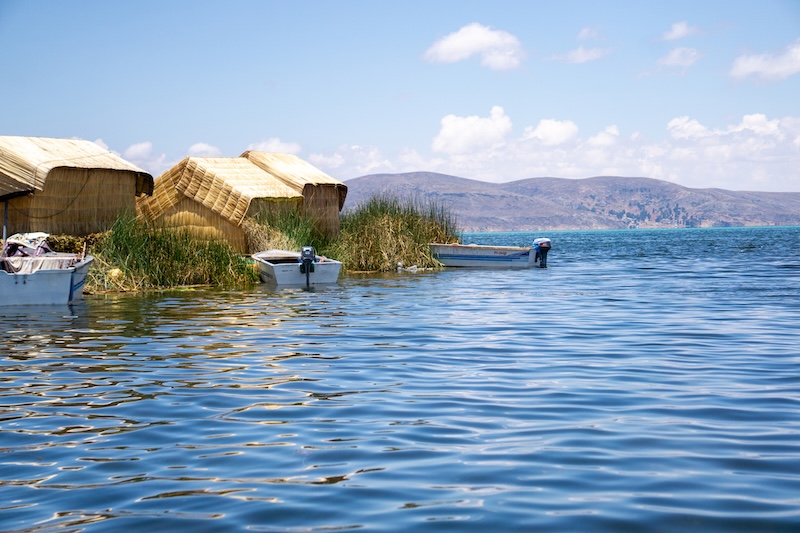
Nestled high in the Andes, Lake Titicaca is a realm of wonder and history. It straddles the border between Peru and Bolivia. Lake Titicaca offers a unique blend of cultures. This vast body of water is the largest lake in South America and the highest navigable lake in the world. Its shores and islands are steeped in ancient myths and vibrant traditions.
Travelers to Lake Titicaca find themselves immersed in a landscape where time seems to stand still. The lake's serene waters reflect the sky. It creates a mirror of tranquility. Yet, beneath its surface lies a tapestry of stories waiting to be discovered. From the floating islands of the Uros to the sacred sites of the Incas, each location tells a tale of human ingenuity and resilience.
For travel writers, Lake Titicaca offers a treasure trove of narratives. The region's historical sites provide a window into the past, revealing the rich cultural heritage of the Andean civilizations. These stories are not just about the places themselves but also about the people who call this land home. Their traditions, passed down through generations, continue to thrive in harmony with nature.
Exploring Lake Titicaca is a journey into the heart of Andean history. It is a place where legends come alive, and the past meets the present. The lake's allure lies in its ability to transport visitors to a world where history and myth converge. Here, every stone, every reed, and every wave has a story to tell.
The Enigmatic Waters of Lake Titicaca: A Gateway to Andean History
Lake Titicaca is more than just a picturesque expanse of water. It serves as a gateway to the rich tapestry of Andean history. Lake Titicaca envelops visitors in a narrative that spans millennia. The serene waters of the lake have witnessed the rise and fall of empires. It houses legends that continue to spark curiosity and wonder.
This high-altitude lake, nestles between Peru and Bolivia, holds significant cultural importance. Its waves gently lap against shores that have been home to diverse indigenous communities for centuries. These communities have woven a unique cultural fabric. They are deeply intertwined with the natural environment.
Travelers encounter a world where ancient traditions coexist with everyday life. The mythology of the lake is rich, narrating tales of creation, divine beings, and civilizations lost to time. Such stories are not mere myths. They are living narratives that reflect the beliefs of the people around the lake.
A few fascinating aspects of Lake Titicaca include:
- The lake is thought to be the cradle of the Inca civilization.
- Legends speak of the Sun and Moon being born from its depths.
- Stories of submerged cities captivate both locals and visitors.
Exploring Lake Titicaca offers not just a journey through landscapes but also a voyage through time. The area’s cultural legacy is etched into its stunning natural vistas. It provides a profound backdrop for travelers seeking authentic experiences.
The Uros Floating Islands: Ingenious Living on Reeds
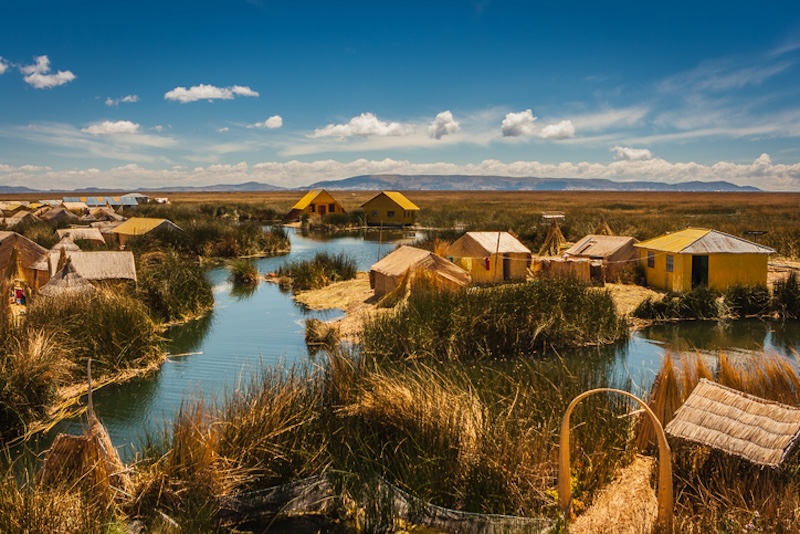
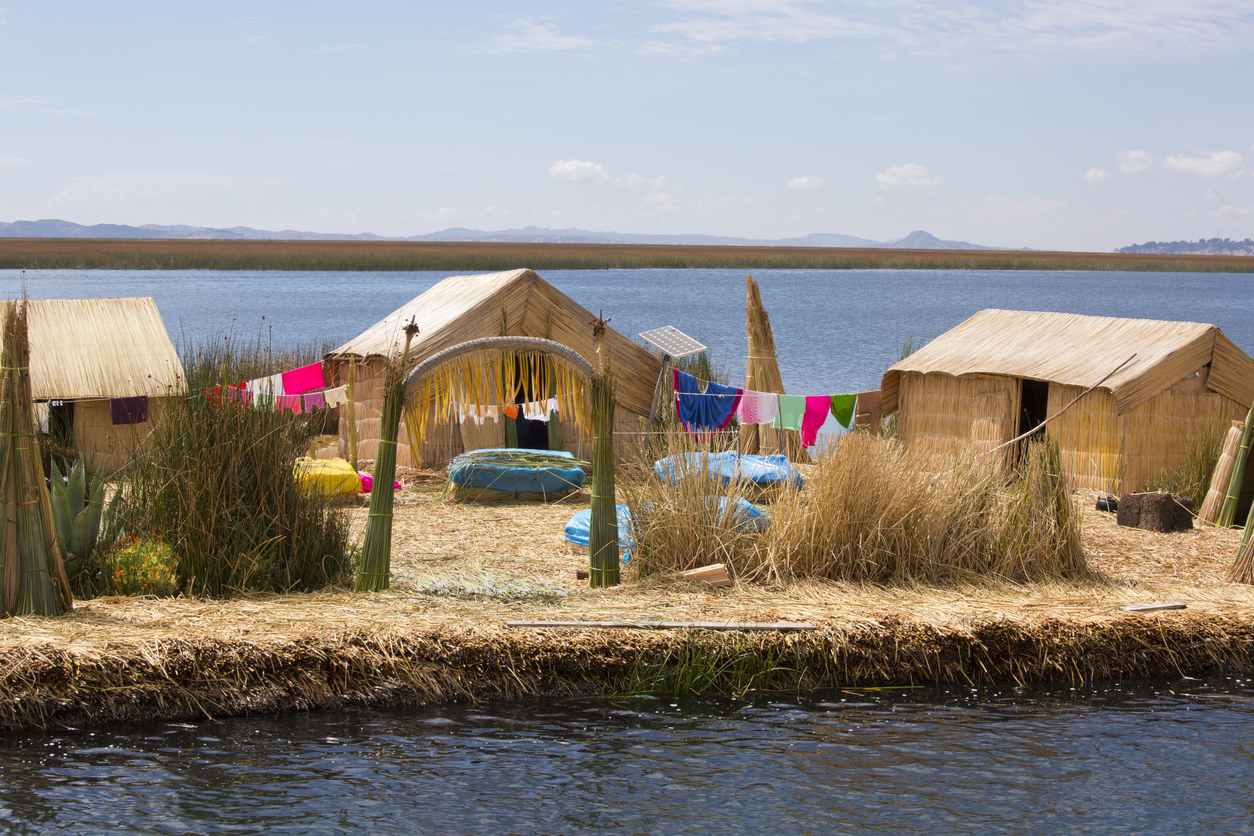
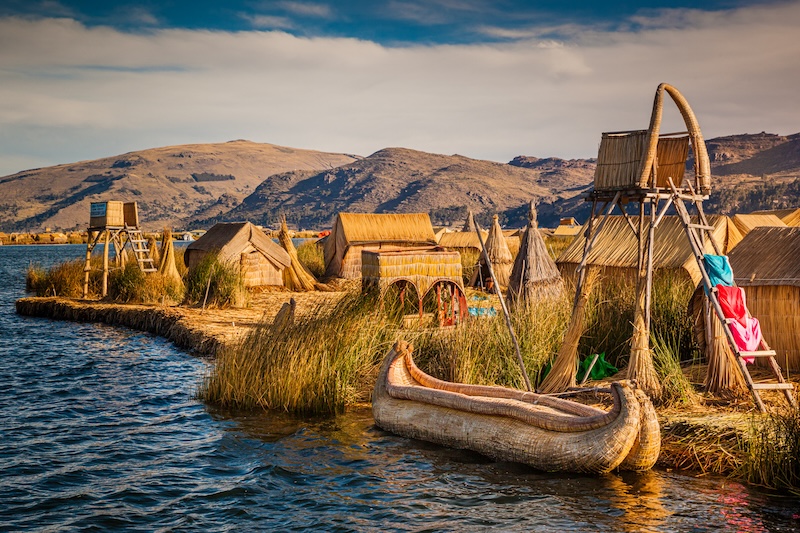
On the shimmering surface of Lake Titicaca lie the remarkable Uros Floating Islands. These islands are ingenious constructs. They highlight human adaptability and creativity.
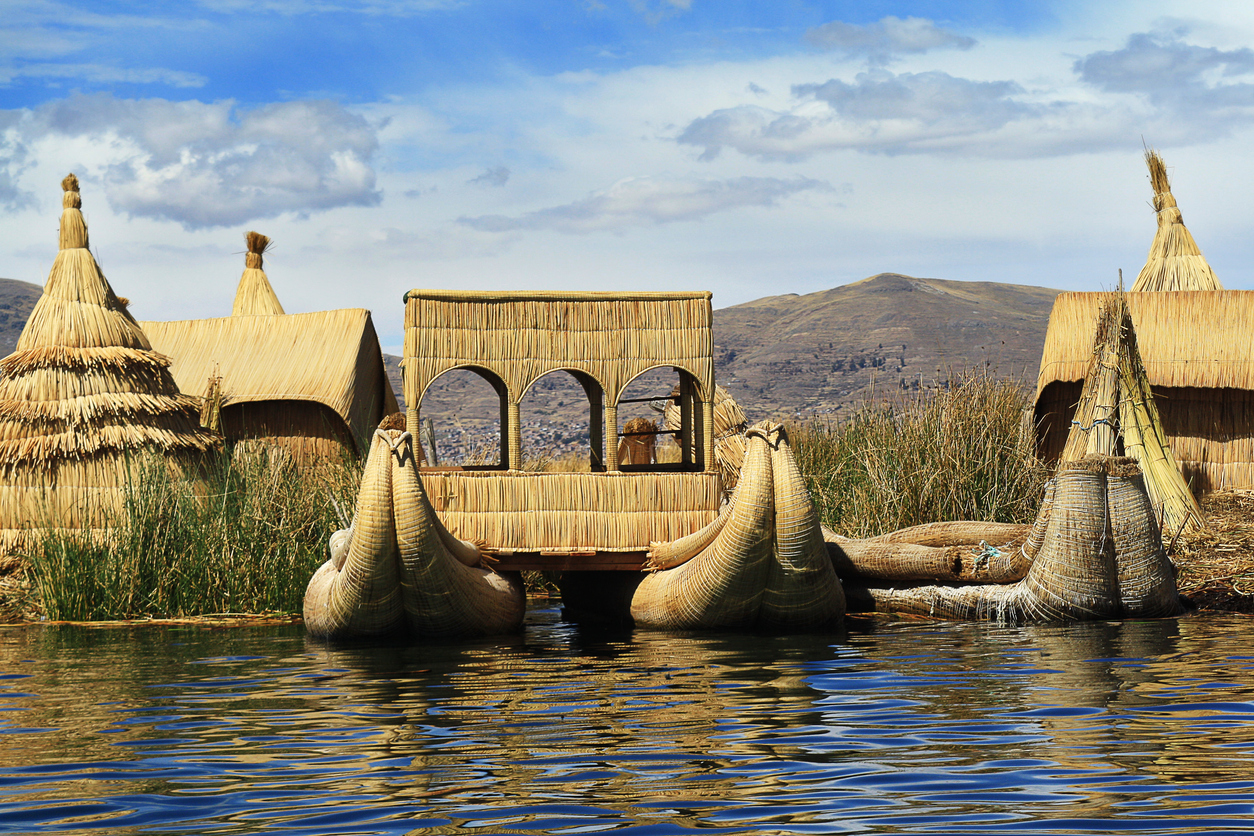
Crafted entirely from totora reeds, these islands are home to the Uros people. They have lived here for generations, maintaining traditions that are rich and vibrant. This architectural feat creates a floating world, blending harmoniously with the lake's natural beauty.
Visiting the Uros Islands offers a glimpse into their unique lifestyle. The islands gently sway underfoot, offering an experience unlike any other. As you step onto them, the ingenuity of their construction becomes immediately apparent.
The Uros lifestyle remains connected to the lake. It sustains itself through fishing, hunting, and crafting. The reeds not only form the islands but are used for boats and homes as well. This sustainable living echoes a deep respect for the environment.
Interesting features of the Uros Floating Islands include:
- Islands are continually replenished with fresh totora reeds to stay afloat.
- The Uros people speak Aymara and maintain distinct cultural practices.
- Traditional crafts, especially reed crafts, are a vital part of their economy.
For those drawn to authentic cultural experiences, the Uros Floating Islands offer a unique cultural tapestry and a testament to human innovation on the serene waters of Lake Titicaca.
Taquile Island: Weaving Traditions and UNESCO Heritage
Nestled in the sparkling expanse of Lake Titicaca, Taquile Island is a testament to the enduring power of tradition. This island, a world away from modernity, is renowned for its vibrant textile artistry. The islanders' weaving skills are not merely crafts; they are cultural expressions recognized by UNESCO for their significance.
Walking through Taquile, visitors encounter the vivid textiles that narrate stories of Andean life. Men and women craft these elaborate textiles, embodying the island’s heritage. This artistry extends beyond personal adornment. They play a crucial role in social and community identity.
Visitors experience an immersive cultural journey. Traditions here have remained intact over centuries, safeguarded from external influences. Wool is spun and dyed using natural resources. It is a testament to sustainable practices.
Taquile's community is organized around cooperative principles. This ensures both the preservation of their traditions and the island’s self-sufficiency. Here, every textile tells a communal story, woven with threads of purpose and pride.
Notable aspects of Taquile Island include:
- Textiles are woven using ancient methods, often by male weavers.
- The island's unique social systems emphasize equality and mutual support.
- Festivals are rich in music, dance, and traditional costumes, showcasing their heritage.
For those enchanted by traditional craftsmanship, Taquile Island offers a deep dive into the heart of Andean culture, wrapped in threads of history.
Amantani Island: Sacred Sites and Community Life
Amantani Island, is a serene haven on Lake Titicaca. It invites travelers into a realm where time appears to stand still. This tranquil island, inhabited by Quechua-speaking communities, is celebrated for its spiritual significance and rich cultural life.
The island is home to two ancient temples, Pachatata and Pachamama, dedicated to the Earth Father and Mother Earth. These sacred sites are deeply intertwined with the islanders' traditions and seasonal celebrations. The panoramic views from these temple sites are breathtaking, encompassing the full glory of the surrounding lake and mountains.
Visitors to Amantani are warmly welcomed through community-based tourism. Staying with local families provides an authentic glimpse into daily life and traditions. This interaction enhances cultural understanding and supports the local economy.
Key highlights of Amantani Island include:
- The annual festival of Pachatata, featuring traditional ceremonies.
- Terraced hillsides used for sustainable agriculture.
- Handicrafts reflecting the island's cultural heritage.
Amantani Island is not just a place to visit; it is a profound experience where history, nature, and community life harmoniously blend into a captivating story.
Sillustani and the Chullpas: Towers of the Ancestors
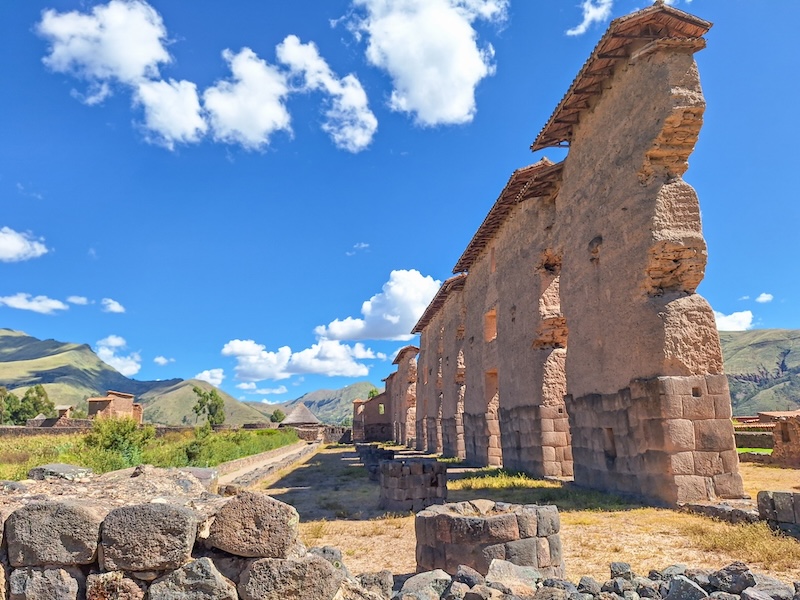
Perched high on a hill near Lake Titicaca, Sillustani presents a magnificent array of ancient chullpas, or funerary towers. These impressive structures, crafted by the pre-Incan Colla people, reflect remarkable architectural skills.
The chullpas of Sillustani served as burial sites for the elite. Their cylindrical shapes and towering heights stand as architectural wonders. These burial towers are surrounded by myths and legends that infuse the site with mystery.
The location offers stunning vistas of the Umayo Lagoon, providing a serene backdrop. The natural setting enhances the spiritual aura of Sillustani, making it a place of deep reflection. Visitors can walk through the landscape, experiencing the tranquility.
Highlights of Sillustani include:
- Ingenious stonework in the construction of the chullpas.
- Panoramic views of the surrounding Andes.
- Insight into pre-Columbian funerary practices.
Sillustani offers more than history; it presents a unique encounter with the ancient world. Here, the whispers of the ancestors echo, connecting past and present in a harmonious dance across time.
Puno: Cultural Crossroads and Festive Heartbeat
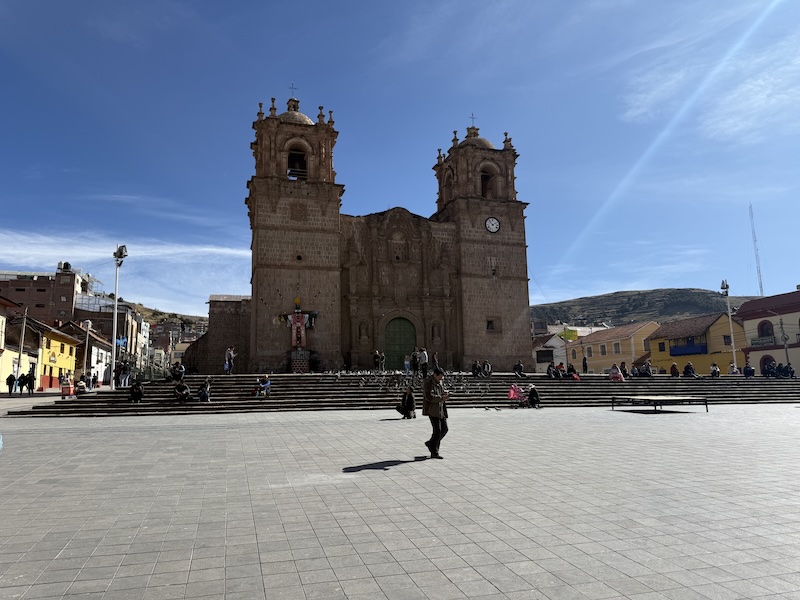
Nestled on the shores of Lake Titicaca, Puno is a city brimming with vibrant cultural energy. Known as the "Folkloric Capital of Peru," it pulsates with traditional music and dance.
Puno serves as a cultural gateway to the rich heritage of the surrounding highlands. Its streets come alive with colorful parades, especially during the renowned Fiesta de la Virgen de la Candelaria. This festival, held each February, is a spectacular display of faith and artistry.
Visitors to Puno can explore:
- The local markets, offering traditional crafts and textiles.
- Lively music and dance performances in the plazas.
- The Puno Cathedral, a fine example of Andean baroque architecture.
Puno is more than a city; it is a celebration of life and culture by Lake Titicaca. Amidst its bustling activity, travelers find a hub where traditions thrive, offering glimpses into Peru's soul.
Isla del Sol: Birthplace of the Sun and Inca Legends
Isla del Sol, or the Island of the Sun, is a mystical land woven with Inca lore. Located on the Bolivian side of Lake Titicaca, it's considered sacred by local people. This island is said to be the birthplace of the Inca sun god, Inti, infusing the land with profound spiritual significance.
With over 80 ruins, Isla del Sol offers a captivating glimpse into ancient Andean civilizations. Visitors can explore the Chincana complex and the sacred rock believed to have given birth to the first Incas. Each site tells stories of Inca legends and myths cherished by the islanders.
Key attractions include:
- The labyrinthine Inca labyrinth, Chincana
- The Sacred Rock, a revered spiritual site
- The Pilkokaina Palace, a majestic pre-Columbian ruin
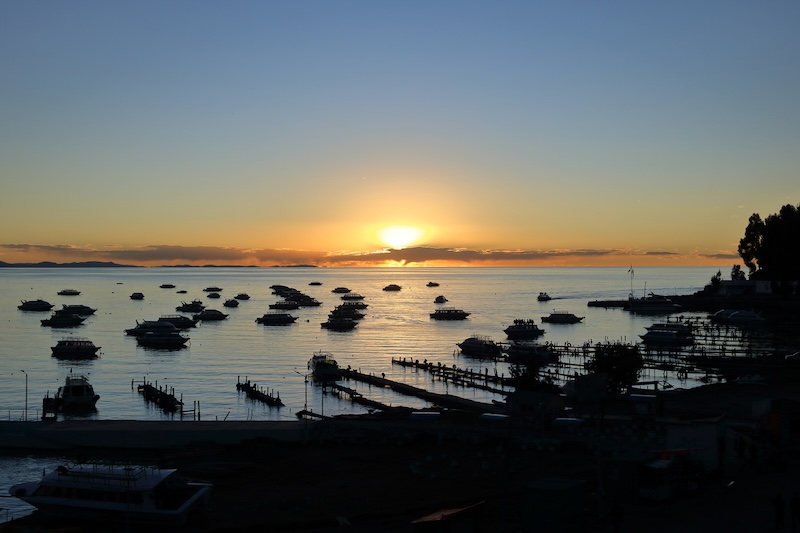
Isla del Sol invites visitors on a journey through time, immersing them in rich historical narratives. Hiking its trails provides panoramic views of Lake Titicaca's serene waters. As the sun sets over the island, the magic of the legends seems to come alive, offering travelers an unforgettable connection to the ancient world.
Isla de la Luna: Temple of the Moon and Feminine Mystique
Nestled near Isla del Sol is the enigmatic Isla de la Luna, the Island of the Moon. Renowned for its feminine mystique, this island holds a special place in Incan mythology. It was the dwelling place of Mama Killa, the moon goddess.
The island is home to the ruins of the Iñak Uyu, a temple dedicated to the Moon deity. These ancient walls whisper tales of priestesses who practiced rituals in honor of the goddess. The tranquility of the island complements its spiritual allure, making it a serene escape.
Highlights include:
- Iñak Uyu Temple ruins
- Stories of Mama Killa and her priestesses
- Views offering breathtaking lake panoramas
Isla de la Luna beckons those intrigued by divine feminine legends and the quiet grace of Lake Titicaca's sacred realm.
Tiwanaku: The Pre-Inca Marvel on the Bolivian Shore
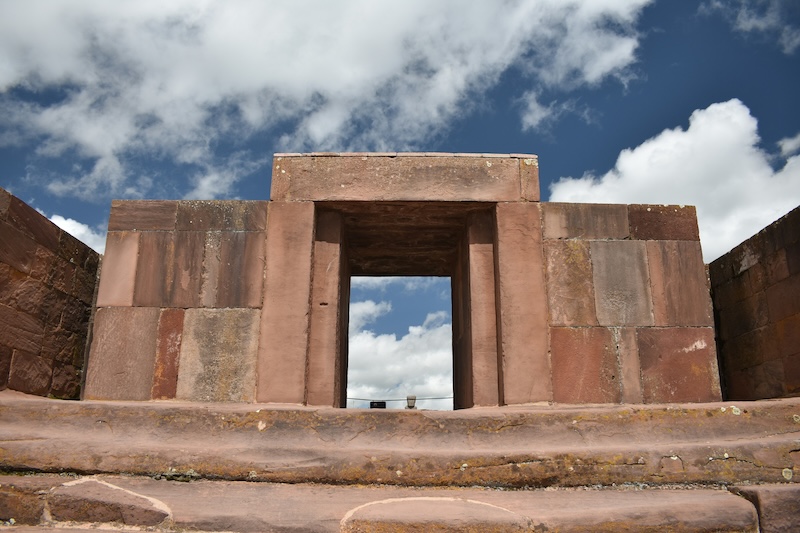
On the Bolivian side of Lake Titicaca lies the ancient city of Tiwanaku, a marvel of pre-Inca civilization. This archaeological wonder is a testament to the ingenuity and spiritual depth of its builders. The city dates back to as early as 400 CE.
The impressive ruins of Tiwanaku offer a glimpse into a society that influenced Andean culture long before the rise of the Incas. The site features massive stone structures, whose construction details continue to puzzle historians and engineers. Among these is the Akapana Pyramid, a monumental piece of ancient engineering.
Highlights of Tiwanaku include:
- The Gate of the Sun, intricately carved with solar motifs
- The Ponce Monolith, showcasing intricate carvings
- Remnants of sophisticated irrigation systems
Visiting Tiwanaku offers a journey through an enigmatic past, where architecture meets spirituality. It invites curious souls to uncover secrets that still resonate with Bolivian identity. Here, history breathes through stones, whispering stories of a forgotten era.
Myths, Legends, and the Spiritual Landscape of Titicaca
Lake Titicaca is not just a geographical wonder; it is also a realm of myth and legend. The indigenous peoples believe the lake is a mystical cradle of their ancestors. This body of water holds stories passed down through generations.
One of the most enduring legends is that of a submerged city beneath its depths, teeming with riches. The lake is also the birthplace of the sun and moon in local lore. These tales reflect the profound connection between the people and their natural environment.
The spiritual landscape of Lake Titicaca can be explored through:
- Legends of lost empires
- Rituals honoring the lake's spirits
- Celebrations marking celestial events
These elements combine to shape a unique cultural identity, resonating through the Andean highlands today.
Sustainable Encounters: Responsible Travel and Living Heritage
Engaging with the living heritage of Lake Titicaca invites travelers to experience a culture deeply connected to its environment. Here, responsible tourism practices allow you to interact authentically with indigenous communities while respecting their traditions. Sustainability is key to preserving the lake's natural and cultural wonders.
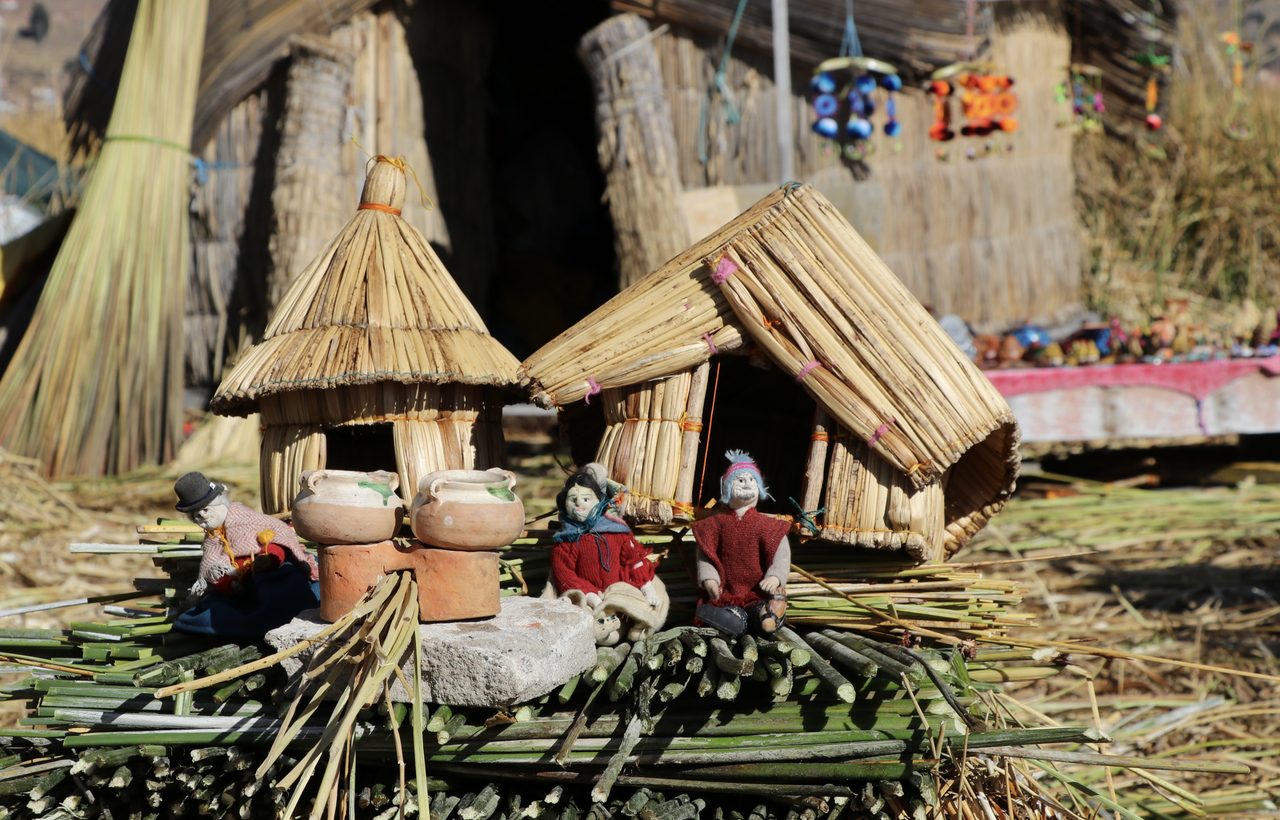
We encourage visitors to support local artisans by purchasing handmade crafts directly. This exchange provides meaningful income to the artisans while preserving traditional skills. Travelers can also take part in community-led tours that share insight into cultural customs.
When visiting, remember to:
- Choose eco-friendly accommodations
- Respect local customs and traditions
- Engage in low-impact travel practices
Through these mindful interactions, Lake Titicaca retains its vibrancy, ensuring future generations can also enjoy its rich tapestry. By treading lightly, both the landscape and its stories endure for centuries to come.
Practical Tips: Getting from Titicaca to the Sites and Beyond
Navigating the enchanting landscape of Lake Titicaca involves thoughtful planning. With diverse sites scattered around, knowing the best way to explore is crucial. Most islands and historic sites are accessible by boat from Puno, the primary gateway to the lake.
To ensure seamless travel experiences, consider these suggestions:
- Hire local guides for site-specific insights
- Stay informed about weather conditions
- Opt for early morning departures for less crowded visits
These practical tips can enhance your journey, making each historical site an unforgettable discovery on the magical waters of Titicaca.
Conclusion: Lake Titicaca’s Living Tapestry of Time
Lake Titicaca offers a profound journey through history and tradition. Its landscapes weave ancient stories into the present, inviting visitors to glimpse the past.
As you explore, these sites connect cultures, revealing the resilience and artistry of those who came before. Lake Titicaca is not just a destination but a living tapestry where time stands still, waiting for travelers to uncover its secrets. This region promises cherished memories that linger long after departing.