Nestled in the heart of the Andes, Puno and Lake Titicaca offer a journey into Peru's vibrant cultural tapestry. This region is a treasure trove of history, tradition, and breathtaking landscapes.
Puno, known as the folkloric capital of Peru, is a city alive with music and dance. Its streets echo with the sounds of traditional instruments. It is inviting visitors to immerse themselves in its rich cultural heritage.
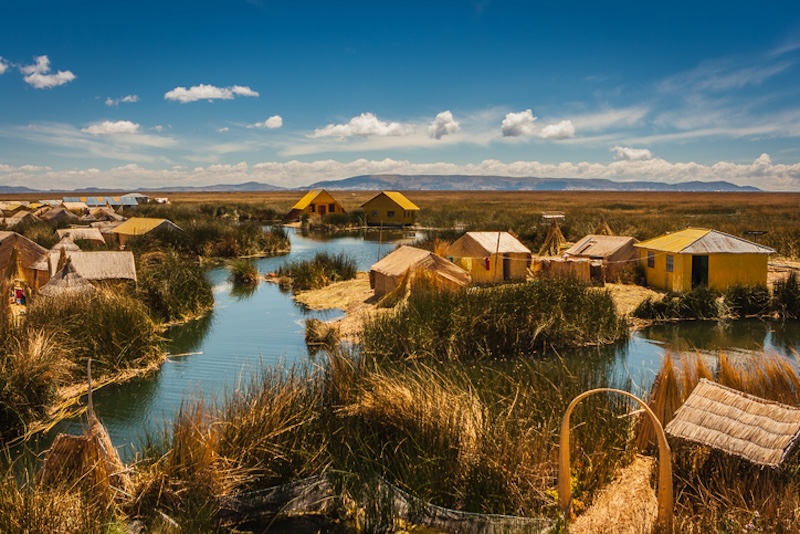
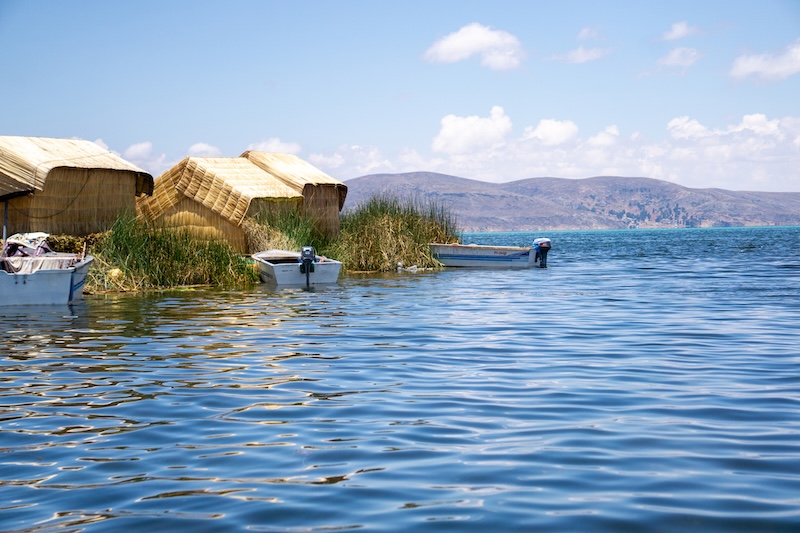
Lake Titicaca, the world's highest navigable lake, is a shimmering expanse of blue. This lake in South America is home to unique communities that have thrived for centuries. The lake's islands, like the Uros Floating Islands, are a testament to human ingenuity and resilience.
Travelers to this region can expect a blend of adventure and cultural discovery. From exploring ancient ruins to participating in local festivals, the experiences are as diverse as they are enriching.
Ethical tourism is at the heart of visiting Puno and Lake Titicaca. Respectful and sustainable community engagement preserves these cultural treasures for future generations.
At Planet Odysseys, we craft itineraries that highlight these authentic experiences. This sets us apart in a competitive market. By focusing on responsible tourism practices, we offer our clients a journey that is both memorable and meaningful.
This guide will provide insights into creating unique travel packages. It will honor the cultural heritage of Puno and Lake Titicaca.
Join us as we explore the wonders of Puno and Lake Titicaca. Every visit is a step into a world of cultural richness and natural beauty.
Why Visit Puno and Lake Titicaca?
Puno and Lake Titicaca present an array of remarkable experiences for travelers seeking cultural immersion. This region, steeped in rich traditions and ancient legends, offers something unique at every turn.
One of the key attractions when you visit Lake Titicaca is the Uros Floating Islands. It is a short boat ride from Puno. These extraordinary islands made of totora reeds are a marvel of engineering and culture. Visitors can witness age-old practices firsthand and engage with the indigenous Uros people.
Taquile Island, another jewel on Lake Titicaca, is famous for its vibrant textiles. Here, visitors can explore a community. UNESCO recognizes their weaving techniques. A visit to the island is not just about sightseeing but also about understanding and appreciating intricate, traditional crafts.
Puno's festivals are a highlight for any traveler. The city hosts the spectacular Festival of the Virgin of Candelaria, a dazzling display of dance and music. It captivates with energy and creativity, attracting visitors from all over the world.
The striking landscapes of Lake Titicaca provide numerous opportunities for outdoor adventures. Whether it’s kayaking on the lake or hiking around the Chucuito Peninsula, the scenery is unparalleled.
Advantages of visiting Puno and Lake Titicaca include:
- Rich cultural heritage
- Unique island communities
- Vibrant festivals and events
- Stunning natural landscapes
Ethical and community-based tourism initiatives in the region promote sustainable travel. Engaging meaningfully with local communities ensures that the cultural and natural environments remain untouched for future generations.
Understanding the Region: Geography, History, and Culture
Puno sits on the shores of the vast Lake Titicaca. It is the highest navigable lake in the world. Situated at 3,812 meters above sea level, the region is marked by striking landscapes and dramatic vistas.
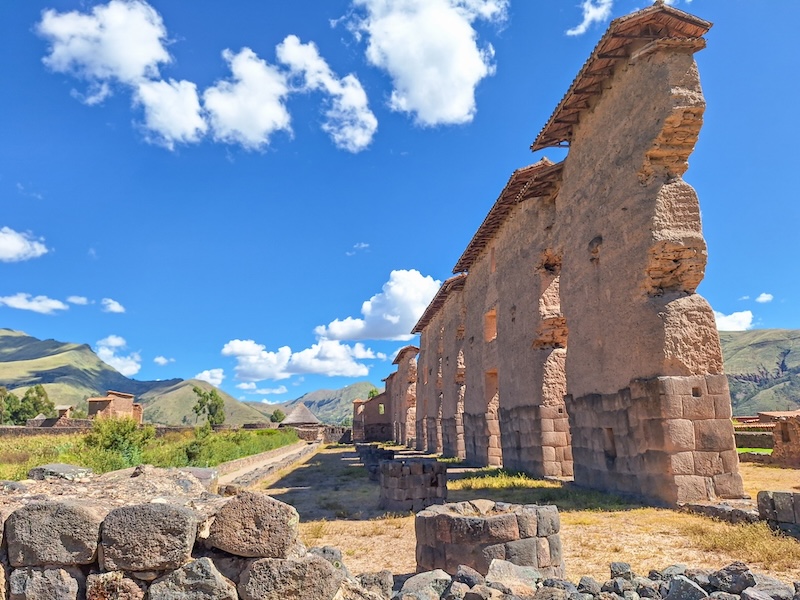
The historical tapestry of Puno is woven with influences from the powerful Tiahuanaco civilization. Later, the Inca Empire left a lasting imprint, adding layers of cultural complexity.
The region's cultural legacy is mirrored in its vibrant festivals and traditional crafts. Puno is known as Peru's folkloric capital, pulsating with the rhythms of indigenous music and dance.
Lake Titicaca itself holds deep spiritual significance for the local people. Its waters are seen as sacred, embodying stories and myths passed down through generations.
Local communities, such as the Aymara and Quechua, enrich Puno's cultural landscape with their distinct languages, crafts, and traditions. Their resilience and adaptability are evident in their day-to-day lives.
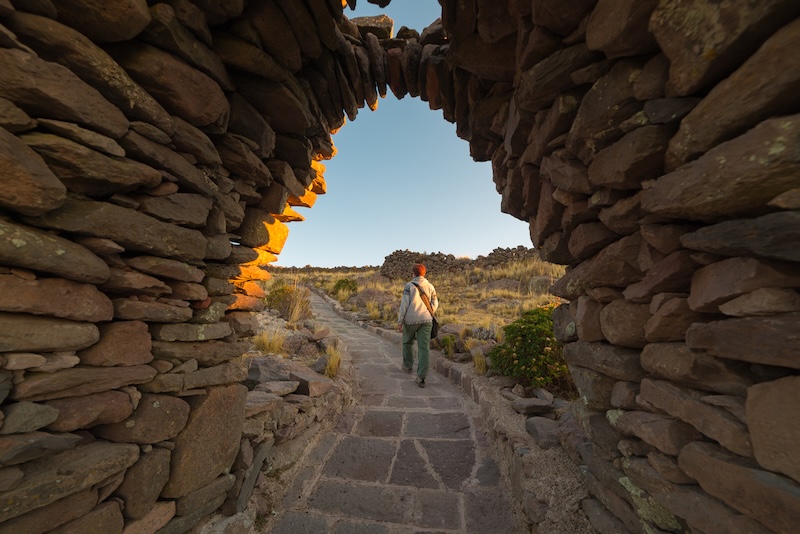
Visitors to Puno can explore various historical wonders and archaeological sites. The Sillustani burial towers, for instance, are testimony to the region's ancient architectural ingenuity.
In summary, the cultural richness of Puno can be experienced through:
- Historical sites and archaeological wonders
- Vibrant festivals and cultural expressions
- Unique crafts and traditional textiles
- Diverse indigenous communities
Exploring Puno is more than just a sightseeing tour. It’s a journey into the heart of Peru’s historical and cultural essence.
When to Visit: Climate, Weather, and Festivals
Puno boasts a unique high-altitude climate characterized by cold nights and sunny days. The city experiences two main seasons: the dry season and the wet season.
The dry season runs from May to October. These months offer clear skies, making them ideal for sightseeing and outdoor activities.
The wet season occurs from November to April. Visitors should expect rainfall, which can dampen travel plans but also offers lush landscapes.
The temperature in Puno is relatively constant throughout the year. However, night temperatures can drop significantly, so warm clothing is essential.
Puno is not just about its climate; it’s about vibrant cultural festivals. The Festival of the Virgin of Candelaria is held in February. It is one of the largest cultural events in the region, attracting visitors worldwide.
For cultural enthusiasts, festival months provide a window into the colorful traditions and dynamic performances of indigenous communities.
In deciding when to visit Puno, consider:
- Exploring during the dry season for hiking and tours
- Experiencing the Festival of the Virgin of Candelaria for cultural immersion
- Dressing in layers due to temperature fluctuations
Whether for adventure or culture, Puno offers a striking blend of experiences year-round.
Can you recommend the best time to visit Puno and Lake Titicaca?
The optimal time to visit Puno and Lake Titicaca is during the dry season, from May to October. This period offers pleasant weather and minimal rainfall, making it perfect for exploring.
This time also coincides with vibrant festivals. The Candelaria festival in February is a must-see for any cultural itinerary.
However, if you prefer lush scenery and fewer crowds, the quieter wet months are an option with proper planning and gear.

Getting There: Transportation Options
Reaching Puno offers an adventure in itself, with multiple transport options to cater to various preferences. Being well-connected to other Peruvian cities, Puno is accessible by air, road, and rail.
Travelers can appreciate the scenic journey by train or opt for the convenience of flying. Each mode offers its own set of experiences and logistical considerations.
Transport options include:
- Planes: Swift and efficient for those short on time.
- Buses: Cost-effective and suited for leisurely exploration.
- Trains: A picturesque journey through the Andes.
- Cross-Border Travel: Easy access from Bolivia, perfect for extended explorations.
Choosing the right option depends on your itinerary, budget, and personal travel style. Planning ahead ensures a smooth journey to this high-altitude destination.
By Plane
Flying to Puno lands you at Inca Manco Cápac International Airport, near Juliaca. It's the fastest way to reach the region, with flights from Lima and Cusco.
Upon arrival, a short bus or taxi ride takes you to Puno. Given the elevation, allow time for acclimatization.
By Bus
Bus travel to Puno presents an economical and scenic way to see Peru. Comfortable and modern buses operate from Lima, Cusco, and Arequipa.
The journey offers travelers beautiful landscapes to admire en route. Be prepared for a long ride, so pack snacks and entertainment.
By Train
The train journey from Cusco to Puno, operated by PeruRail, is an unforgettable trip. This luxurious ride offers stunning Andes views.
With attentive service and picturesque stops, it’s a travel highlight. Be sure to book in advance, as it’s popular among visitors.
Cross-Border Travel: Peru to Bolivia
Travelers can cross from Peru to Bolivia. Buses navigate this international route, typically starting in Puno.
This trip opens access to Bolivian destinations such as La Paz and Copacabana. Remember to check visa requirements before planning your cross-border journey.
Where to Stay: Accommodation Guide
Puno offers diverse accommodation options, ensuring comfort at any budget. From luxurious hotels to quaint guesthouses, visitors find plenty of places to rest.
For luxury, the city has high-end hotels with panoramic lake views. These often include amenities like spas and gourmet dining. For an authentic experience, consider staying on the islands of Lake Titicaca.
Mid-range travelers can opt for charming boutique hotels with local decor. These accommodations are well-located near major attractions. They're perfect for those wanting cultural insights without sacrificing comfort.
Budget-conscious travelers find many hostels and family-run establishments. These provide warm welcomes and invaluable local tips. Staying with local families can be both economical and enriching.
Consider these accommodation types:
- Luxury Hotels: Panoramic views and extensive amenities.
- Boutique Hotels: Cultural ambiance and central locations.
- Hostels/Guesthouses: Affordable and friendly, often with local flavor.
Choosing the right stay sets the tone for an unforgettable visit. Book early to secure your ideal base in bustling Puno.
Puno Attractions: What is there to do in Puno, Peru?
Puno, known as the folkloric capital of Peru, charms visitors with its cultural vibrancy and historical landmarks. It offers a spectrum of attractions that embody the rich tapestry of Andean life.
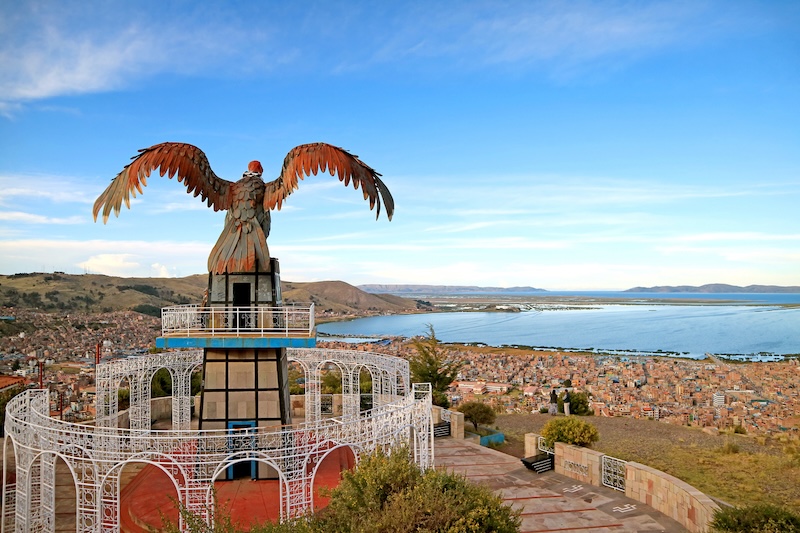
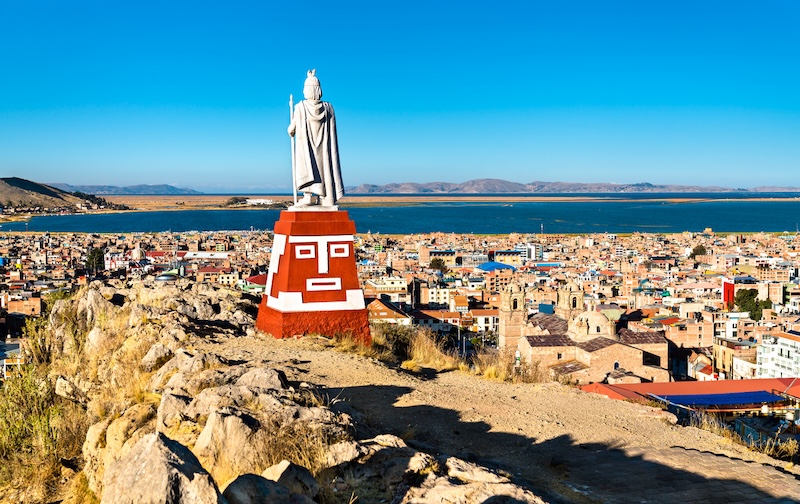
A visit to the Puno Cathedral is essential. This architectural gem, located on the Plaza de Armas, showcases intricate colonial designs and religious art. Nearby, the Arco Deustua offers a commanding view of the city and lake, making it ideal for photographers.
For an insight into maritime history, the Yavari Boat Museum provides a unique experience. The restored steamboat, built in the mid-19th century, stands as a testament to British ingenuity and Peruvian naval heritage.
The Sillustani burial towers, located just outside Puno, offer a glimpse into ancient pre-Incan civilizations. These chullpas were used as burial sites. They sit amidst stunning landscapes that invite contemplative walks.
Puno’s markets, bustling with activity, present a chance to purchase vibrant crafts and textiles. Here, travelers immerse themselves in local culture and take home a piece of the region’s artistic spirit.
Key attractions include:
- Puno Cathedral: A masterpiece of colonial architecture.
- Arco Deustua: Offers panoramic city views.
- Yavari Boat Museum: A historic vessel on Lake Titicaca.
- Sillustani: Ancient burial towers with majestic views.
Wander through Puno's lively streets and discover its myriad attractions. Each narrates a story of times past and the enduring spirit of the highland communities.
Lake Titicaca Tours: Exploring the Islands
Lake Titicaca's islands are not only stunning natural wonders but also cultural treasures. Tours often highlight these gems, providing insight into local traditions and breathtaking views.
The Uros Floating Islands are the most unique. Crafted from reeds, these artificial islands host communities maintaining ancient ways of life. It's a living museum showcasing remarkable adaptability and tradition.
A full day tour to Taquile Island offers a contrasting experience. Known for its handwoven textiles, the island has a UNESCO-recognized tradition that captivates many. Artisans create intricate patterns that tell stories and preserve cultural memories.
Amantani Island invites visitors with the allure of homestays. Engaging in daily activities with locals fosters genuine connections and makes cultural exchange meaningful and authentic.
Not to be overlooked, Suasi Island provides a more private experience. With its eco-friendly lodges, it’s perfect for rest and reflection, far from the buzz of modernity.
For those with an adventurous spirit it is highly recommended exploring other hidden gems. You can visit sites like Ticonata and Anapia rewards with solitude and unforgettable vistas.
Popular lake tours may include:
- Uros Floating Islands: Visit reed-built communities and see how local people live.
- Taquile Island: Experience traditional weaving on this day trip.
- Amantani Island: Engage in cultural homestays.
- Suasi and Hidden Islands: Discover tranquil retreats.
By exploring these islands, visitors not only witness unique lifestyles but also contribute to preserving them through ethical tourism.
Uros Floating Islands
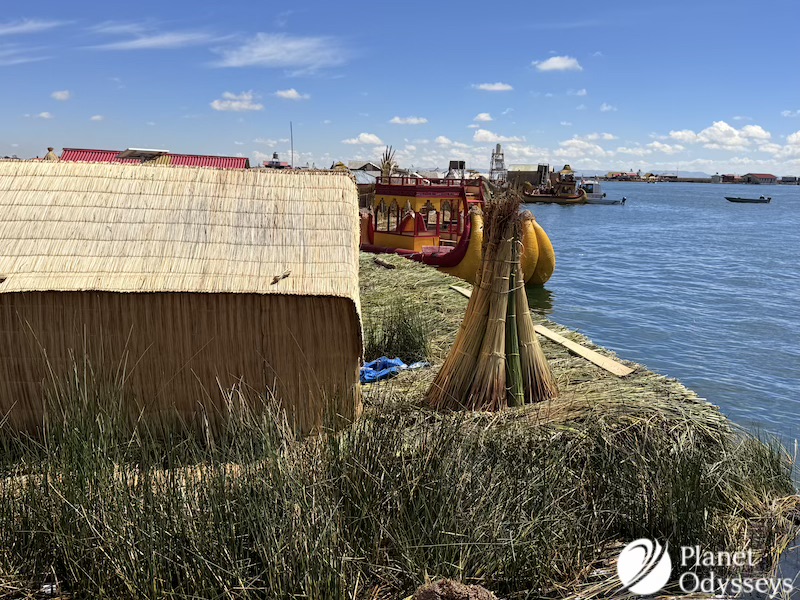
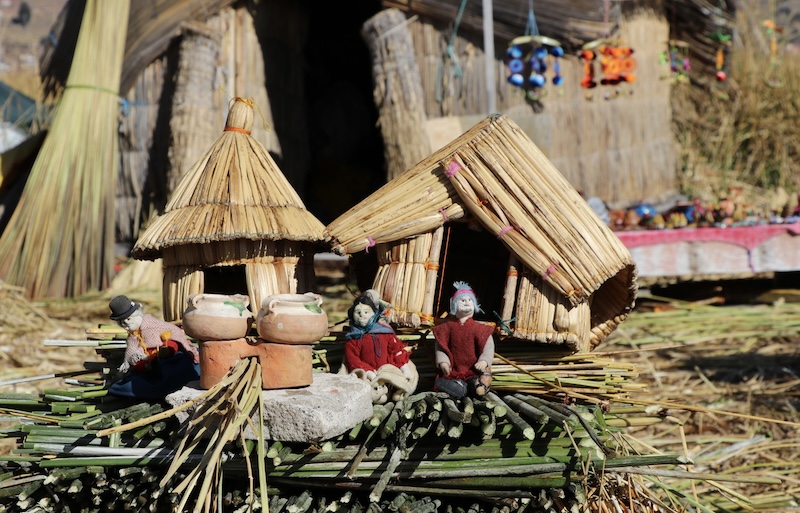
The Uros Floating Islands are a top attraction for visitors. These unique islands are handmade using totora reeds, offering a glimpse into an ancient world. Stepping onto these floating structures feels like entering another era.
For the Uros people, the islands are more than a home. They represent a lifestyle deeply intertwined with nature and history, showcasing incredible ingenuity. Boats and homes, all constructed from reeds, create an immersive experience.
Visitors can engage with the community, learning about traditional fishing and crafting techniques. It's a rare opportunity to understand resilience and heritage, making it a memorable part of any tour.
Taquile Island
Taquile Island is renowned for its vibrant textile artistry. Here, visitors witness traditions that date back generations, where weaving is an art form telling stories of the past.
The island's cooperative system ensures artisans receive recognition and fair compensation for their work. This collective effort has gained global attention, earning UNESCO recognition for its cultural significance.
Beyond its artistry, Taquile offers stunning landscapes. Walking its trails, visitors enjoy sweeping lake views, combined with genuine cultural interaction that enriches the soul.
Amantani Island
Amantani Island offers a unique experience through community homestays. Visitors live with local families, sharing in daily tasks and traditional meals.
The island is known for its spiritual sites, such as the temples of Pachatata and Pachamama. These spots provide a deeper connection to the Andean cosmovision.
Staying on Amantani, travelers gain a profound understanding of local culture. The experience fosters friendships and creates lasting impressions, echoing the warmth and openness of the islanders.
Suasi Island and Other Hidden Gems
Suasi Island is a secluded paradise on Lake Titicaca. Known for its eco-friendly accommodations, it promises tranquility and breathtaking landscapes.
For those seeking lesser-known paths, destinations like Ticonata and Anapia provide solitude and striking scenery. They are away from the usual crowds. These hidden gems offer a unique, serene escape in the middle of Titicaca's vast expanse.
Community-Based and Responsible Tourism
Embracing community-based tourism in Puno and Lake Titicaca enriches travel experiences while benefiting locals. Such initiatives empower communities and preserve cultural heritage.
Tourists engage directly with indigenous people, fostering mutual respect and understanding. This exchange encourages visitors to appreciate the deep-rooted traditions and unique lifestyles.
Responsible tourism emphasizes sustainability. Projects aim to protect the lake's environment while promoting cultural respect. This approach ensures future generations will enjoy the same beauty and richness.
Visitors are encouraged to support local economies by choosing homestays and purchasing artisan goods. This involvement directly contributes to community prosperity and cultural resilience.
Ethical practices in tourism lead to sustainable development. Transparent and fair interactions build trust and lead to long-term positive impacts.
Consider incorporating these activities into travel packages:
- Homestays: Offer firsthand cultural immersion.
- Workshops: Participate in traditional crafts.
- Ecotours: Promote environmental stewardship.
- Cultural tours: Discover history with local guides.
Travelers find value in meaningful encounters, knowing their presence aids community preservation. This mindful tourism approach promotes growth while cherishing the delicate balance of nature and culture.
In community-based tourism, both visitors and hosts benefit. Such engagements enrich experiences, making each visit a journey of learning and exchange.
Cultural Experiences: Festivals, Music, and Dance
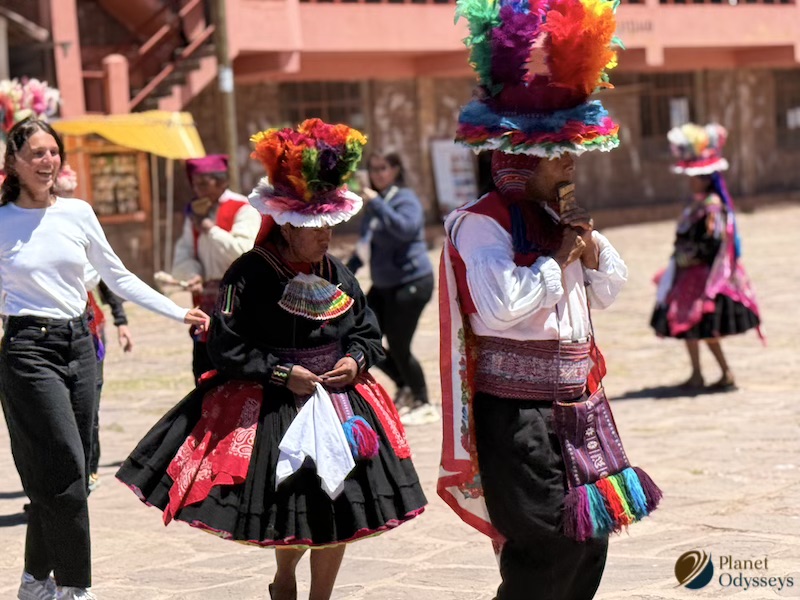
Puno's vibrant festivals are a cultural feast, drawing visitors from across the globe. The city is known as the folkloric capital of Peru.
In February, the Festival of the Virgin of Candelaria is a spectacle of music and dance. Thousands participate in colorful parades, showcasing their ancestral traditions.
The Diablada dance, with its elaborate masks and costumes, is a highlight of the festival. This dance is a vivid expression of local folklore.
Puno's nightlife pulsates with traditional music. Sounds of charango and panpipes fill the air, creating an ambiance that invites participation.
Daily performances at cultural centers offer insights into the region's musical heritage. These venues celebrate the fusion of indigenous and Spanish influences.
You can enhance your visit by incorporating festival experiences:
- Festival of the Virgin of Candelaria: Witness this grand celebration in February.
- Nightly music performances: Explore Puno's rich musical traditions.
- Dance workshops: Learn traditional dances from skilled locals.
For travelers, these experiences provide deeper connections to the region's soul. They leave with a profound appreciation for Puno's cultural depth.
Engaging in local festivals and musical evenings offers a unique window into Puno's artistic spirit. Each event tells a story, shared through music, movement, and community.
Local Cuisine: What and Where to Eat
Puno's culinary scene offers an enticing blend of Andean flavors. It features both traditional and modern twists, satisfying diverse palates.
Local dishes often showcase quinoa, a nutritional staple in the region. Quinoa soup, a hearty favorite, is perfect for acclimatizing to the high-altitude climate.
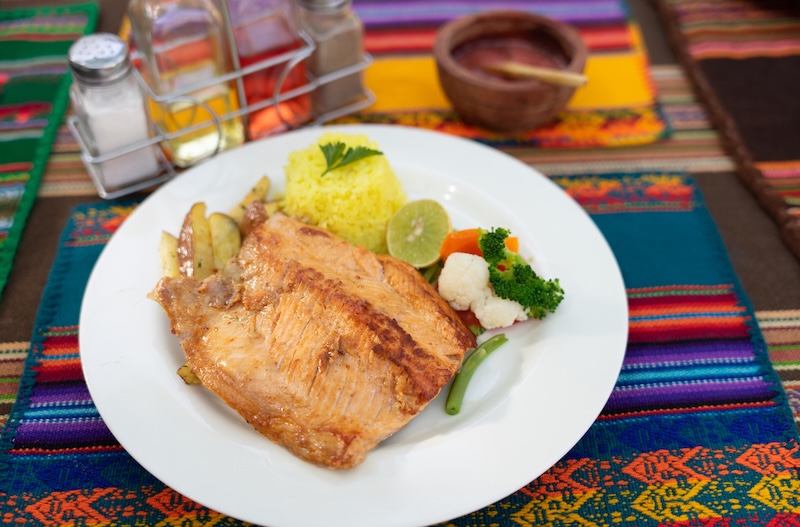
Trout, caught fresh from Lake Titicaca, is another must-try. It's often grilled or baked, highlighting its delicate taste and rich history in Andean cuisine.
For an authentic dining experience, visit market stalls brimming with local delicacies. These include "choclo con queso," a delightful corn and cheese dish.
Puno also boasts charming eateries that serve fusion dishes. These restaurants marry local ingredients with global culinary trends, creating unique offerings.
Key dishes to try include:
- Quinoa Soup: Traditional and nourishing.
- Grilled Trout: Fresh from Lake Titicaca.
- Choclo con Queso: A comforting street food staple.
Dining in Puno is more than a meal; it's a cultural journey. Through each dish, travelers engage with the region's rich heritage and warm hospitality.
Practical Puno Travel Tips
Traveling to Puno and Lake Titicaca requires thoughtful preparation to ensure a smooth and enjoyable visit. Understanding the local climate and cultural norms can enhance your experience.
Start with acclimatization, as the high altitude can affect some travelers. Spend your first day in Puno resting and drinking plenty of water to adapt.
It's also wise to learn basic phrases in Spanish or Quechua. This shows respect for locals and can enhance your interactions.
When exploring, consider guided tours to fully appreciate Puno's cultural richness. Local guides provide insights into history, traditions, and lesser-known sites.
Be prepared for a variety of weather conditions. Mornings are often brisk, while afternoons can warm up significantly. Layered clothing is key.
Key tips for travelers:
- Acclimatize Gradually: Spend the first day resting.
- Learn Basic Phrases: Engage with locals.
- Book Guided Tours: Gain deeper cultural insights.
Practical travel tips can make your journey to Puno not only comfortable but also more rewarding.
Health and Safety: Altitude, Motion Sickness, and More
Health and safety are paramount when visiting Puno. The high altitude may cause altitude sickness, which can be managed with some precautions.
Consult a health professional before your trip for advice on medication for altitude sickness. Consider taking "sorojchi pills," which locals often use.
Motion sickness on Lake Titicaca's boat tours is common. Over-the-counter remedies or natural ginger snacks can help alleviate symptoms.
Safety tips:
- Medication: Sorojchi pills for altitude.
- Hydration: Drink water frequently.
- Snacks: Ginger for motion sickness.
By being mindful of your health and safety, you’ll enjoy Puno's breathtaking landscapes and rich culture without worry.
What to Pack for Puno and Lake Titicaca
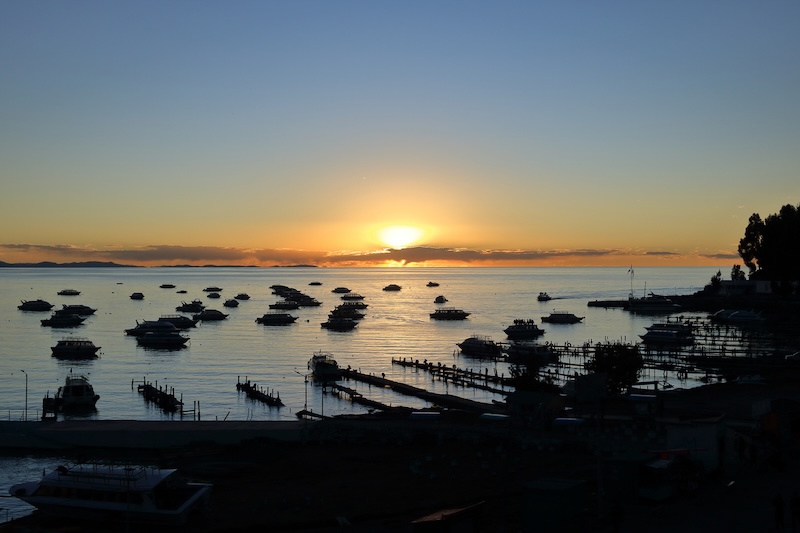
Packing wisely ensures comfort during your visit to Puno. The key is preparation for the variable climate and high altitude.
Essential items include:
- Layered Clothing: For fluctuating temperatures.
- Sun Protection: Hat and sunscreen.
- Sturdy Footwear: For walking tours.
By packing thoughtfully, you'll be ready to fully embrace the vibrant experiences Puno and Lake Titicaca have to offer.
Frequently Asked Questions
Planning a trip to Puno and Lake Titicaca often brings up several questions. Here are some of the most common inquiries.
What activities are popular for tourists in Puno? Travelers often enjoy exploring local markets, visiting historical sites, and experiencing vibrant festivals. Lake Titicaca tours and excursions to the nearby islands are also popular.
Can you recommend the best time to visit Puno and Lake Titicaca? The dry season, from May to October, offers the most pleasant weather and optimal conditions for outdoor activities.
What should travelers be mindful of when visiting? Altitude is a key consideration. It's essential to acclimatize properly and stay hydrated to avoid altitude sickness.
Here’s a quick FAQ list:
- Best time to visit: May to October
- Must-visit attraction: Uros Floating Islands
- Common issue: Altitude sickness
- Popular activity: Participating in cultural festivals
These insights should help make your trip planning seamless and enjoyable.
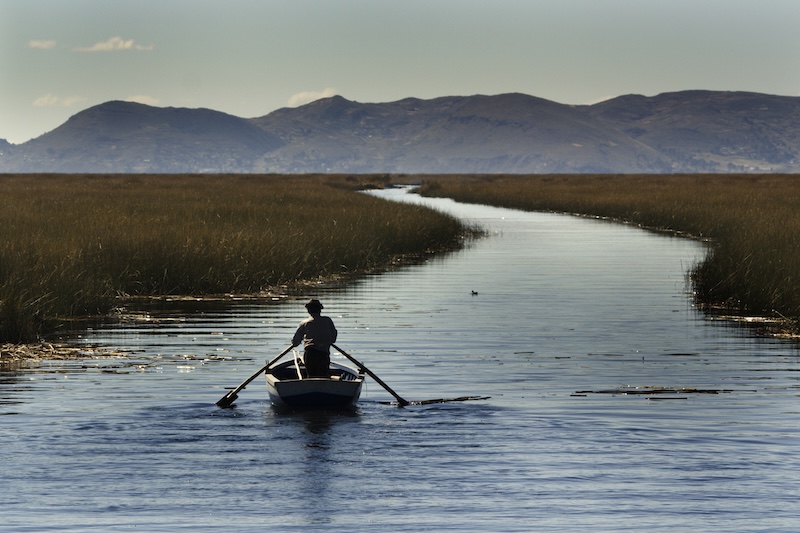
Conclusion: The Lasting Impact of Cultural Exchange
Traveling to Puno and Lake Titicaca offers more than just sightseeing. It allows for meaningful exchanges with local communities. These interactions foster greater understanding and respect between travelers and hosts. They enrich your travel experience with authentic cultural insights.
Cultural exchanges create an everlasting impact, shaping perspectives and promoting global awareness. By engaging with local traditions, tourists help preserve and celebrate cultural heritage. This enriches both visitors and the people of Puno. It encourages a deeper appreciation for cultural diversity.
Responsible tourism plays a crucial role in this process. It ensures that these unique cultural experiences remain available for future generations. It also helps protect the natural beauty and cultural wealth of Puno and Lake Titicaca.
In embracing these exchanges, we find the true spirit of travel. It’s about connecting with others and appreciating their way of life. This leads to lasting memories and transformative journeys.
disable
[simple-author-box]