Nestled high in the Andes, Lake Titicaca is a place of wonder. It straddles the border between Peru and Bolivia, offering a unique blend of cultures. This vast body of water is the largest lake in South America and the highest navigable lake in the world.
Visitors are drawn to its serene beauty and rich history. The lake is a cradle of ancient civilizations, with myths and legends woven into its fabric. It's a place where the past and present coexist, offering a glimpse into the lives of the indigenous communities.
Lake Titicaca’s Living Heritage: Uros, Amantani & Taquile
Amantani Island, one of the lake's gems, is known for its traditional Andean culture. Here, time seems to stand still. Visitors can immerse themselves in local life through homestays, experiencing customs passed down through generations.
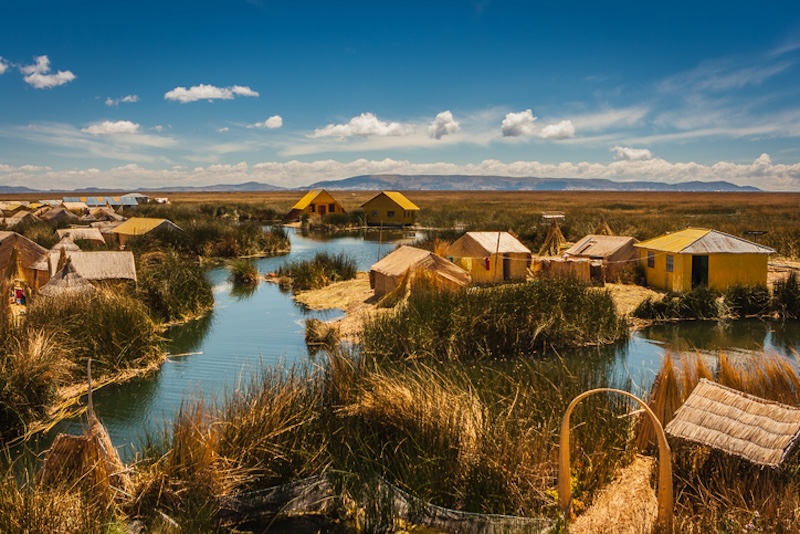
The Uros Floating Islands, crafted from totora reeds, are another marvel. These islands are home to the Uros people, who have lived on the lake for centuries. Their way of life is a testament to human ingenuity and resilience.
Taquile Island, famous for its textile art, offers a different cultural experience. Recognized by UNESCO, the island's textiles are a vibrant expression of Andean heritage. Visitors can explore the island's scenic paths and engage with its welcoming community.
Lake Titicaca is not just about cultural experiences. It offers a range of activities for nature lovers and adventurers. From kayaking and fishing to birdwatching, the lake's biodiversity is a treasure trove waiting to be explored.
 Discovering Lake Titicaca: An Overview
Lake Titicaca is a landscape of contrasts. Its shimmering azure waters meet the stark, rugged mountains of the Andes. At over 3,800 meters, it provides one of the most breathtaking settings in the world.
Travelers often start their adventure in Puno, a vibrant city on the Peruvian side. From here, a multitude of tours and trips are available. These experiences reveal the lake's natural beauty and cultural significance.
A visit to Lake Titicaca isn't just about sightseeing. It involves engaging with the unique cultures that thrive around it. Each of the islands has its own charm and traditions to explore.
Key Features of Lake Titicaca:
- Geography: Largest lake in South America, located on the Peru-Bolivia border.
- Elevation: Highest navigable lake in the world, at 3,800 meters.
- Climate: Cool with the best visiting months from May to October.
- Biodiversity: Unique fish and bird species flourish here.
The lake's ecosystems are as diverse as its cultures. It is home to endemic species of fish and vibrant birdlife. For those seeking nature and tranquility, the lake provides an escape like no other.
Getting to Lake Titicaca and Amantani
Traveling to Lake Titicaca is an adventure in itself. Most journeys begin in Puno, a city accessible by various transportation modes. Flights to Juliaca Airport serve as the primary air link, followed by a scenic drive to Puno.
Alternatively, the comfortable Andean Explorer train offers a picturesque route from Cusco. This journey is both leisurely and luxurious, allowing you to enjoy the remarkable landscapes. Coaches from Lima or Arequipa also provide a more budget-friendly option.
Once in Puno, reaching Amantani Island requires a boat ride. These journeys are organized by local tour operators, providing opportunities to explore other island attractions en route. The tranquil boat ride offers stunning views and a peaceful lake experience.
Access Options:
- By Air: Fly into Juliaca Airport, then drive to Puno.
- By Train: Take the Andean Explorer train from Cusco.
- By Bus: Direct routes from major Peruvian cities.

The Uros Floating Islands: Living on Reeds
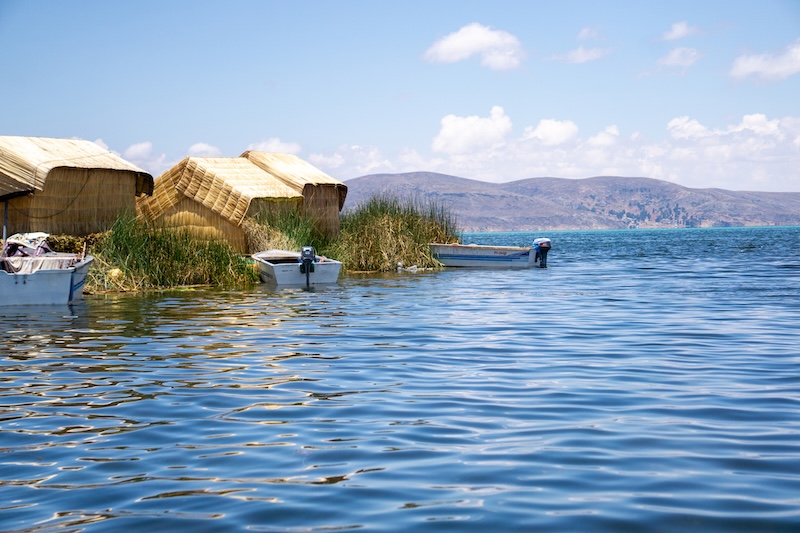
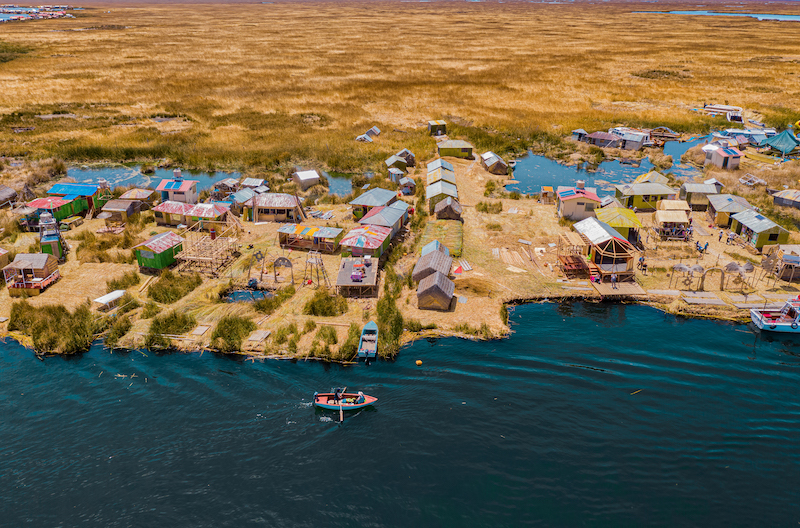
On the shimmering surface of Lake Titicaca, the Uros Floating Islands present a unique lifestyle. Made entirely from buoyant totora reeds, these islands are home to the Uros people, who have lived here for centuries. Visiting these man-made marvels offers a glimpse into an extraordinary way of life.
Each island is a testament to ingenious resourcefulness. Totora reeds are used not only for the islands themselves but also for creating homes, boats, and crafts. The islands require constant maintenance, with new layers of reeds added regularly to ensure their buoyancy.
Visitors are often greeted by friendly locals eager to share their traditions. Participating in a guided tour reveals fascinating insights into how the Uros people weave their daily lives. Learn how these floating communities have adapted modern conveniences while preserving ancient customs.
Artisans on the islands offer beautiful, handcrafted souvenirs. Purchasing these crafts supports the community and serves as a meaningful travel memento. Photography enthusiasts will find unparalleled opportunities to capture the vibrant island life amid dazzling waters.
Highlights of Your Visit:
- Discover how totora reeds are used in daily life.
- Experience the warmth and hospitality of the Uros people.
- Shop for unique, handmade crafts directly from artisans.

Taquile Island: UNESCO Textile Traditions and Scenic Walks
Taquile Island, located on Lake Titicaca, is renowned for its rich textile heritage. The island's inhabitants, known for their expert weaving, create beautiful textiles acknowledged by UNESCO for their cultural significance. Walking through Taquile Island, visitors can witness these artisans at work, weaving intricate designs reflecting their history and identity.
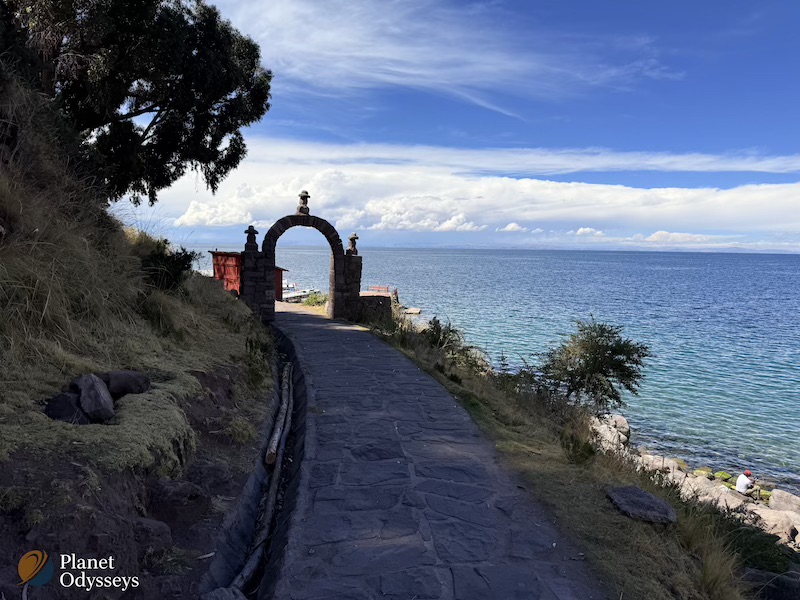
The island offers not only cultural experiences but also breathtaking scenery. A scenic hike from the dock leads you through terraced hillsides and past ancient stone pathways. As you ascend, panoramic views of the lake unfold, offering prime photography opportunities.
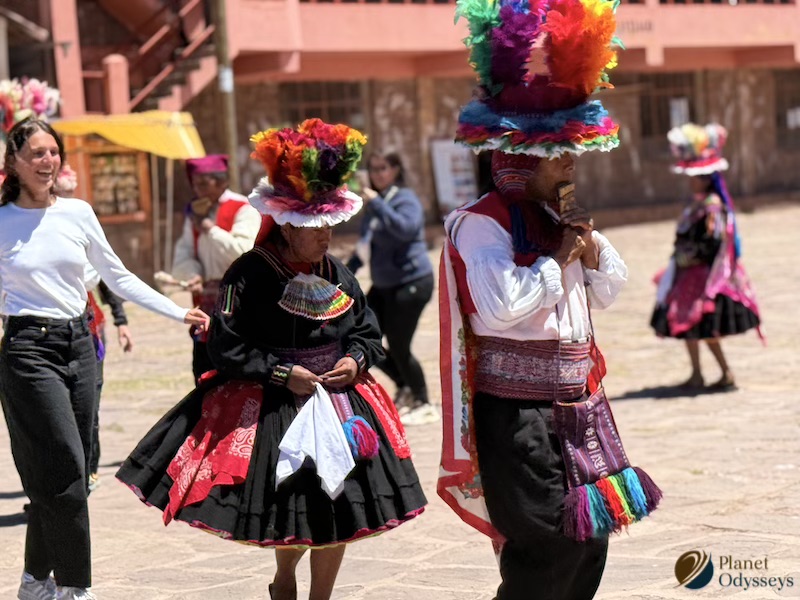
Community life on Taquile is intertwined with traditions. Locals dress in vibrant, handmade garments that speak volumes about their craftsmanship and pride. Engaging with the community provides unique insights into their sustainable way of life.
Exploring Taquile means immersing yourself in a place where time seems to have stood still. The peaceful ambiance makes it an ideal escape from modernity.
Highlights to Enjoy:
- Watch master weavers at work in traditional settings.
- Hike through stunning landscapes for unforgettable views.
- Engage with locals to learn about their unique cultural practices.
Amantani Island: Homestays and Andean Culture
Amantani Island offers an authentic cultural experience, inviting visitors to delve into traditional Andean life. It’s an island where time is marked by the rhythms of nature. Visitors are welcomed into local homes, allowing them to experience the warmth of Amantani hospitality firsthand.
Participating in a homestay is more than just accommodation; it's an immersion into Andean customs. Guests can engage in daily activities such as farming, weaving, and even cooking. Sharing meals with your host family, typically meals of quinoa and potatoes, enriches the cultural exchange.
The island's landscapes are as captivating as its culture. Amantani is home to two mountain peaks, Pachatata (Father Earth) and Pachamama (Mother Earth). Locals often hold ceremonies here, praying for health and good harvests. Hiking to these peaks rewards you with sweeping views of Lake Titicaca and beyond.
Cultural evenings on Amantani often include traditional music and dance. These performances, featuring vibrant costumes and local instruments, offer insight into the island’s cultural identity. It's a genuine celebration of community spirit and heritage.
Whether you’re strolling through the terraced fields or learning the secrets of Andean weaving, Amantani Island promises an enriching visit. It’s a place to disconnect from the fast-paced world and connect deeply with an ancient culture.
Key Experiences on Amantani Island:
- Stay with local families for a complete cultural immersion.
- Participate in traditional Andean farming and weaving.
- Enjoy evening performances of music and dance.
Hiking and Exploring: Pachatata, Pachamama, and Panoramic Views
Amantani Island is a hiker's paradise, offering trails that lead to the sacred peaks of Pachatata and Pachamama. These trails provide a perfect blend of physical activity and cultural exploration. As you ascend, the air becomes crisp and the views more expansive.
The peaks are central to the spiritual life of the island's inhabitants. At the top, ancient ruins mark these sites of ceremonial significance. Locals gather here annually to honor the earth and sky. Visitors can take part in these traditions, experiencing the peaceful aura that surrounds these sacred grounds.
The panoramic views from the peaks are simply breathtaking. On clear days, you can see the sparkling waters of Lake Titicaca stretch endlessly toward the horizon. The tranquil beauty of the landscape offers a moment of reflection far from the bustling world. Each step is a step closer to the heart of Andean spirituality.
Hiking Highlights:
- Trek to the spiritual peaks of Pachatata and Pachamama.
- Experience ancient ceremonies at sacred sites.
- Admire sweeping views of Lake Titicaca.
Lake Activities: Kayaking, Boating, and Birdwatching
Lake Titicaca is a paradise for water enthusiasts seeking adventure and tranquility. Kayaking across its serene waters offers a closer connection with the lake's natural beauty. Paddle through calm waves, surrounded by distant mountains and blue skies.
Joining a boat tour is another enchanting way to explore the lake's vastness. These tours often visit nearby islands, providing insights into the unique cultures that thrive there. The gentle rocking of the boat as it slices through the water is relaxing in itself.
Birdwatching is a rewarding activity for nature lovers here. Lake Titicaca boasts a rich avian biodiversity, with species like the Andean grebe and giant coot calling it home. Early mornings or late afternoons are prime times to witness these birds in their natural habitat.
Whether you're gliding in a kayak, cruising in a boat, or watching birds, the lake's tranquility enchants all who visit. Each activity provides a different perspective on this magical place. The silent beauty of the lake contrasts wonderfully with the vibrant life it supports.
Lake Activity Highlights:
- Kayak amidst stunning mountain views.
- Boat tours to explore cultures and islands.
- Birdwatching, spotting diverse avian species.
Cultural Experiences: Music, Dance, and Local Festivals
Immerse yourself in the vibrant cultural tapestry of Lake Titicaca. The region's music and dance are a heartfelt expression of Andean traditions. These performances are not merely entertainment; they are stories passed down through generations.
Music is an integral part of life here. Traditional instruments, such as the charango and the pan flute, produce melodies that resonate with history. Listening to local musicians play fills the air with a sense of time-honored heritage.
Dance holds a significant role in cultural celebrations around the lake. Each movement tells a tale, whether of mythical origins or daily life. Watching these dances offers a glimpse into the community's spirit and resilience.
Festivals in the Lake Titicaca region are colorful spectacles of joy and devotion. Events like the Fiesta de la Candelaria in Puno showcase elaborate costumes, energetic dances, and spiritual fervor. Attending a festival is a wonderful opportunity to engage with locals and celebrate their vibrant traditions.
Key Cultural Experiences:
- Enjoy live performances with traditional instruments.
- Experience storytelling through lively dance.
- Participate in local festivals like the Fiesta de la Candelaria.
Andean Cuisine: Tasting the Flavors of the Highlands
The Peruvian highlands offer a culinary journey rich in flavors and tradition. Lake Titicaca is no exception, with its unique blend of indigenous and Spanish influences. As you explore, you'll discover that food here is as much about community as it is about taste.
Local markets brim with fresh produce and handmade goods. Sample the earthy flavor of quinoa and the comforting warmth of potato-based dishes like "chuño" soup. These ingredients reflect both the region's bounty and the resourcefulness of its people.
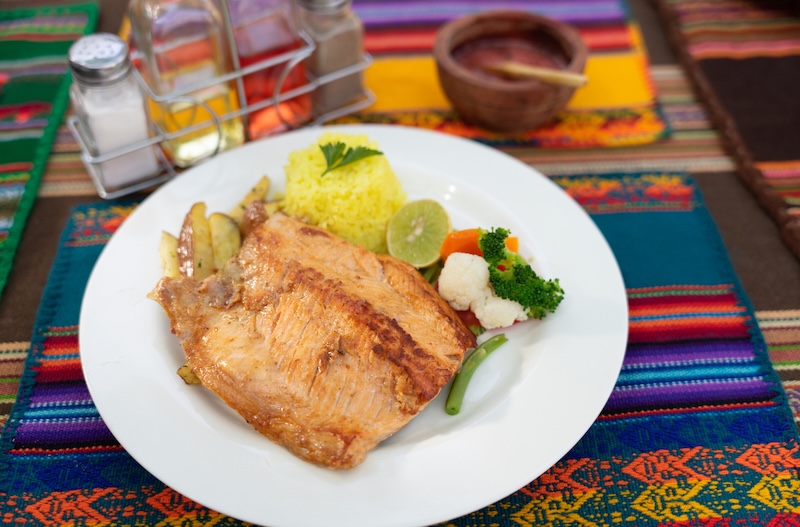
Dining with a local family can provide deeper cultural insights. Meals often begin with a bowl of "canchánchara," a hearty soup packed with vegetables. Finish with a sweet treat made from "k'ollu," a traditional highland berry, leaving you with a true taste of Andean hospitality.
Taste the Following:
- Quinoa and potato dishes
- Traditional soups like "chuño"
- Desserts featuring local berries
Exploring Puno: Gateway to Lake Titicaca
Nestled on the shores of Lake Titicaca, Puno is more than just a transit point. This vibrant city offers a blend of rich history, bustling markets, and lively festivals. It serves as both the cultural and logistical gateway for those embarking on lake adventures.
Puno's streets are alive with color and sound, particularly during the Candelaria Festival, a spectacle of music and dance. Strolling through the central market, you'll encounter an array of handicrafts, providing a perfect introduction to local artistry. The city is a cultural mosaic, showcasing traditions that have endured for centuries.
Start your journey with a visit to the Cathedral of Puno, an architectural gem. For panoramic views, ascend the Conde de Lemos Balcony. Wrap up your day with a culinary experience at a local eatery, sampling dishes unique to the region.
Don't Miss in Puno:
- Candelaria Festival
- Central Market handicrafts
- Cathedral of Puno
Off-the-Beaten-Path: Llachón Peninsula and Capachica
For those seeking solitude and authentic experiences, the Llachón Peninsula is an ideal retreat. Unlike the bustling tourist hubs, this serene area offers a glimpse into undisturbed rural life. Visitors are welcomed with warm hospitality, often staying in family-run lodges.
Llachón is a haven for nature enthusiasts, providing trails with breathtaking views of Lake Titicaca. The landscape is peppered with native flora, and traditional farming practices can be observed firsthand. It's a place where time seems to stand still, encouraging relaxation and reflection.
Nearby, the village of Capachica shares similar charms, with its own unique allure. The local community is eager to share their way of life, inviting travelers to partake in fishing or weaving. These experiences ensure a deep connection with the land and its people.
Highlights of Llachón and Capachica:
- Family homestays
- Scenic hiking trails
- Traditional fishing and weaving
Ancient Mysteries: Sillustani, Cutimbo, and Pre-Inca Ruins
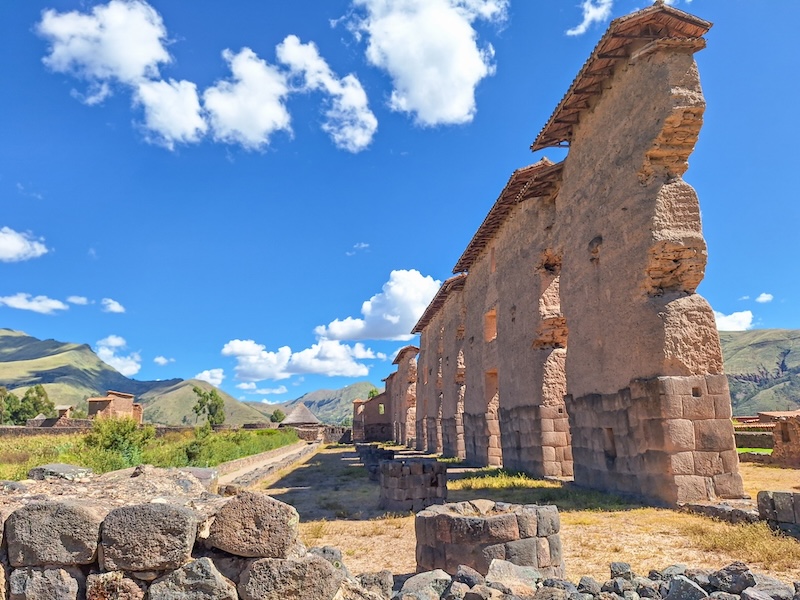
The highlands around Lake Titicaca are steeped in ancient mystery and historical intrigue. Among these, the archaeological sites of Sillustani and Cutimbo reveal the secrets of past civilizations. These enigmatic ruins offer a poignant glimpse into pre-Inca cultures that thrived in this region.
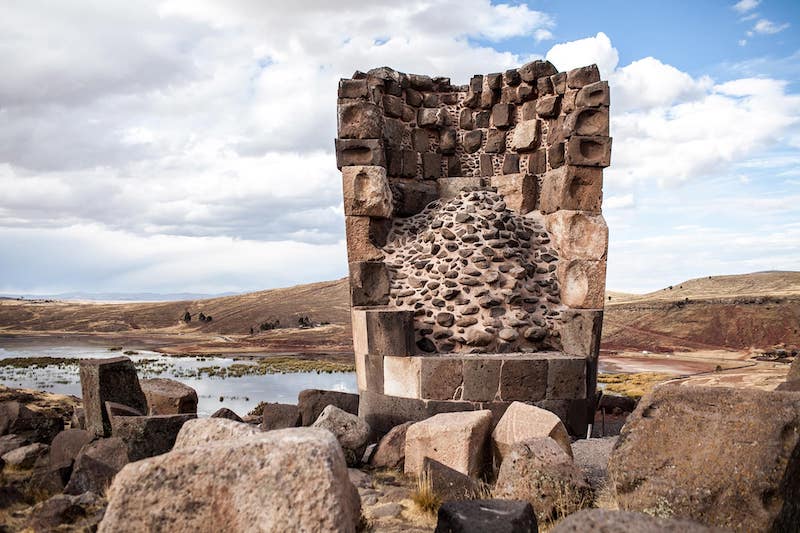
Sillustani is renowned for its chullpas, or stone burial towers, which loom majestically over a stunning backdrop of Lake Umayo. These towers were constructed by the Colla people, showcasing their architectural prowess. The site exudes an air of tranquility and ancient reverence.
On the other hand, Cutimbo offers lesser-known yet equally compelling ruins. Engraved stones and circular edifices invite exploration, whispering tales of the societies that once inhabited these lands. The isolation of Cutimbo adds a mysterious allure to its exploration.
For history enthusiasts, these sites are not to be missed. They provide deeper insight into the region’s rich tapestry of human history.
Key Sites to Visit:
- Sillustani chullpas
- Cutimbo ruins
- Lake Umayo views
Sustainable Tourism and Responsible Travel
Traveling responsibly is vital to preserving Lake Titicaca's pristine beauty and vibrant culture. As visitors, it's crucial to ensure our presence benefits local communities and environments. Sustainable tourism practices are increasingly emphasized to protect these cherished landscapes for future generations.
Being conscious of the ecological footprint helps in maintaining the delicate balance of the lake's ecosystem. Participating in eco-friendly tours and choosing accommodations committed to sustainability are simple ways to contribute. Travelers should also respect local customs and cultural heritage, fostering mutual understanding and respect.
Engaging with the local communities enriches the travel experience, providing insight into their customs and challenges. Purchasing handicrafts directly from artisans supports their livelihoods and conserves traditional crafts. Travelers should consider offsetting carbon emissions and minimizing waste during their visits.
Responsible Travel Tips:
- Choose eco-friendly accommodations
- Support local artisans and markets
- Minimize waste and recycle
Practical Tips: Weather, Altitude, and Local Etiquette
Before visiting Lake Titicaca, prepare for its unique climate and high altitude. The weather is generally cool, with significant temperature fluctuations between day and night. Pack layers to stay comfortable in varying conditions.
At over 3,800 meters, the altitude can impact visitors not accustomed to such heights. To acclimatize, take it slow upon arrival and stay hydrated. Symptoms like headaches and dizziness are common but manageable with rest and care.
Respecting local etiquette enhances your interaction with the communities around Lake Titicaca. Learn a few basic phrases in Quechua or Aymara to show goodwill. Dress modestly to honor local customs, particularly during visits to sacred sites.
When taking photographs, always ask permission, especially when capturing individuals or private spaces. Additionally, engage in cultural exchanges with humility, valuing the opportunity to learn from indigenous traditions.
Quick Tips for Travelers:
- Pack layers for fluctuating temperatures
- Acclimate to the high altitude gradually
- Respect local customs and traditions
Planning Your Lake Titicaca Trips: Itineraries and Recommendations
Crafting a memorable Lake Titicaca trip involves thoughtful planning. Start by deciding the length of your stay and which islands to explore. Typical visits range from two to four days, allowing time for both guided tours and personal discovery.
Consider including Amantani and Taquile islands in your itinerary. These destinations offer rich cultural experiences and stunning landscapes. Allocate a day to the Uros Floating Islands for a unique perspective on indigenous life.
Opt for a mix of activities to balance adventure with relaxation. Book a homestay on Amantani for an immersive cultural exchange. For active travelers, kayaking or hiking provides both thrill and scenic beauty.
Sample Itinerary Highlights:
- Day 1: Uros Floating Islands
- Day 2: Amantani Island homestay
- Day 3: Taquile Island exploration
Frequently Asked Questions about Activities in Lake Titicaca
Many travelers wonder about the best time to visit Lake Titicaca. The ideal season is from May to October when the weather is dry and cool. This period offers clear skies perfect for sightseeing and outdoor activities.
Another common query concerns the lake's altitude and its effects. At over 3,800 meters, acclimatization is recommended to avoid altitude sickness. It's wise to spend a day or two in Puno first to adjust.
Travelers also often ask about safety and local customs. The region is generally safe, but always respect local traditions and dress modestly. Learning basic Spanish phrases can enhance your interactions.
Lake Titicaca Activities FAQs in Brief:
- Best visiting months
- Altitude acclimatization
- Cultural etiquette and safety
Conclusion: The Magic of Lake Titicaca and Amantani
Lake Titicaca is more than just a vast body of water; it's a mosaic of culture, history, and nature. The enchanting islands and vibrant communities leave visitors with memories that last a lifetime. Each activity, from tranquil boat rides to engaging homestays, reveals a different layer of its magic.
Amantani Island offers a glimpse into traditional Andean life, creating deep connections between visitors and locals. Here, ancient traditions and stunning landscapes merge seamlessly. The air is filled with the sounds of nature and the warmth of hospitality.
Exploring this mystical region provides both adventure and serenity. Trekking to ancient ruins or participating in local festivities uncovers the rich past and vibrant present of the lake's communities. Whether kayaking through calm waters or savoring Andean cuisine, experiences here are unique and fulfilling.
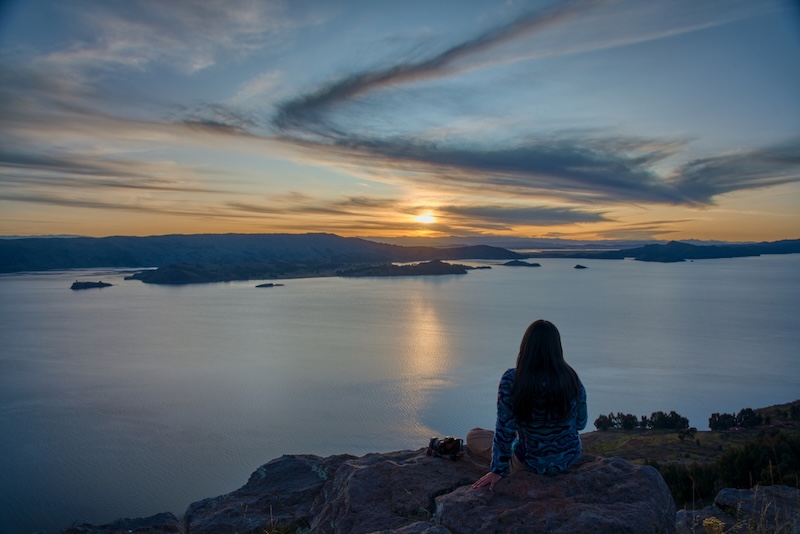
As the sun sets on Lake Titicaca, its beauty transforms into a quiet spectacle. A visit here truly immerses you in a world full of wonder and cultural richness.

disable
[simple-author-box]