Lake Titicaca is a place of wonder and mystery. Nestled high in the Andes, it straddles the border between Peru and Bolivia. This majestic lake is the largest in South America, captivating travelers with its deep blue waters and stunning vistas.
But ? The name itself is steeped in history and cultural significance. Derived from the Aymara and Quechua languages, "Titicaca" translates to "Rock of the Puma." This intriguing name hints at the lake's rich tapestry of myths and legends.
For centuries, Lake Titicaca has been a sacred site for indigenous peoples. It is believed to be the birthplace of the sun god, Inti, in Inca mythology. The lake's spiritual essence continues to resonate with visitors today.
Exploring Lake Titicaca offers more than just breathtaking views. It provides a deep connection to the cultural heritage of the Andean region. From the floating islands of the Uros to the vibrant textiles of Taquile, the lake is a living museum of traditions.
Understanding the meaning of Lake Titicaca enriches the travel experience. It invites travelers to delve into the stories and customs that define this unique destination.
Join us as we explore the meaning and significance of this enchanting lake. Discover the legends, history, and cultural treasures that make Lake Titicaca a must-visit destination. Embrace the spirit of Lake Titicaca and let it captivate your imagination.
The Origins of the Name: ?
Unraveling the origins of Lake Titicaca’s name requires diving into its linguistic roots. The name "Titicaca" emerges from the indigenous languages of Aymara and Quechua. Both languages are widely spoken by the communities surrounding the lake today.
The meanings attributed to "Titicaca" have varied over time. In Aymara, "titi" signifies "puma," while "caca" means "rock." Together, the words form "Rock of the Puma," a name rich in imagery.
This name reflects the sacred connection between the natural world and the spiritual beliefs of the local people. Pumas held significant symbolism in pre-Columbian cultures. Often associated with strength and the spiritual realm, they are revered creatures.
The rock in the name may refer to an ancient rock formation on the lake’s Island of the Sun. This rock is considered a focal point for myths and legends tied to Lake Titicaca. It serves as a symbol of its mysterious and sacred nature.
There are several interpretations of how the name "Titicaca" specifically relates to local lore. These interpretations add layers to the captivating narrative surrounding the lake.
While some focus on the legendary puma, others consider the rock’s symbolic representation.
- Aymara insights: Link the name to topographical features.
- Quechua perspectives: Emphasize legendary tales and mythological elements.
- Cultural symbolism: Highlight connections to Inca mythology and the spirit of the Andes.
Understanding the name’s origins allows visitors to appreciate its cultural depth. Each interpretation offers a glimpse into the traditions and wisdom of the communities living around the lake. This rich background lays the foundation for exploring Lake Titicaca’s greater significance.
Exploring the etymology of Lake Titicaca enriches the experience of visiting this iconic destination. It provides context for the rich tapestry of stories that make the lake a revered site. As we journey through its history, we’ll uncover the layers of meaning enshrined in its name.
Linguistic Roots: Aymara and Quechua Interpretations
The linguistic tapestry of Lake Titicaca is an intricate weave of Aymara and Quechua influences. These languages offer profound insights into the lake's name and its cultural resonance. Both tongues are native to the Andean region, each contributing uniquely to the narrative.
In Aymara, the word "titi" denotes a "puma," a revered animal symbolizing power and prowess. This interpretation is deeply spiritual, connecting the lake to the majestic feline's symbolic traits. "Caca" means "rock," perhaps alluding to specific landmarks like the aforementioned sacred rock formation.
Quechua, conversely, provides a different angle. While not linguistically identical, the language’s oral traditions also speak of legendary creatures and sacred stones. Quechua speakers have long woven tales of mythical beginnings and revered beasts, enriching the lake's identity.
- Aymara contributions:"Titi" as "puma"
- "Caca" as "rock"
- Quechua influences:Mythological narratives
- Symbolic representations
Both languages hold a reverence for natural features. The interpretations they yield provide not only a definition but also a window into cultural practices and worldviews. They illustrate how indigenous cultures perceived their landscapes as imbued with spiritual significance.
These linguistic insights form a narrative of interwoven histories and beliefs. They highlight how the diverse cultures surrounding the lake understood and communicated the essence of their world. Together, they paint a picture of a region where language and landscape converge into a sacred mosaic.
Embracing these linguistic roots helps visitors appreciate the deep cultural layers embedded in Lake Titicaca. It invites travelers to explore not just a geographical location, but a symbolic universe carved by language and tradition.
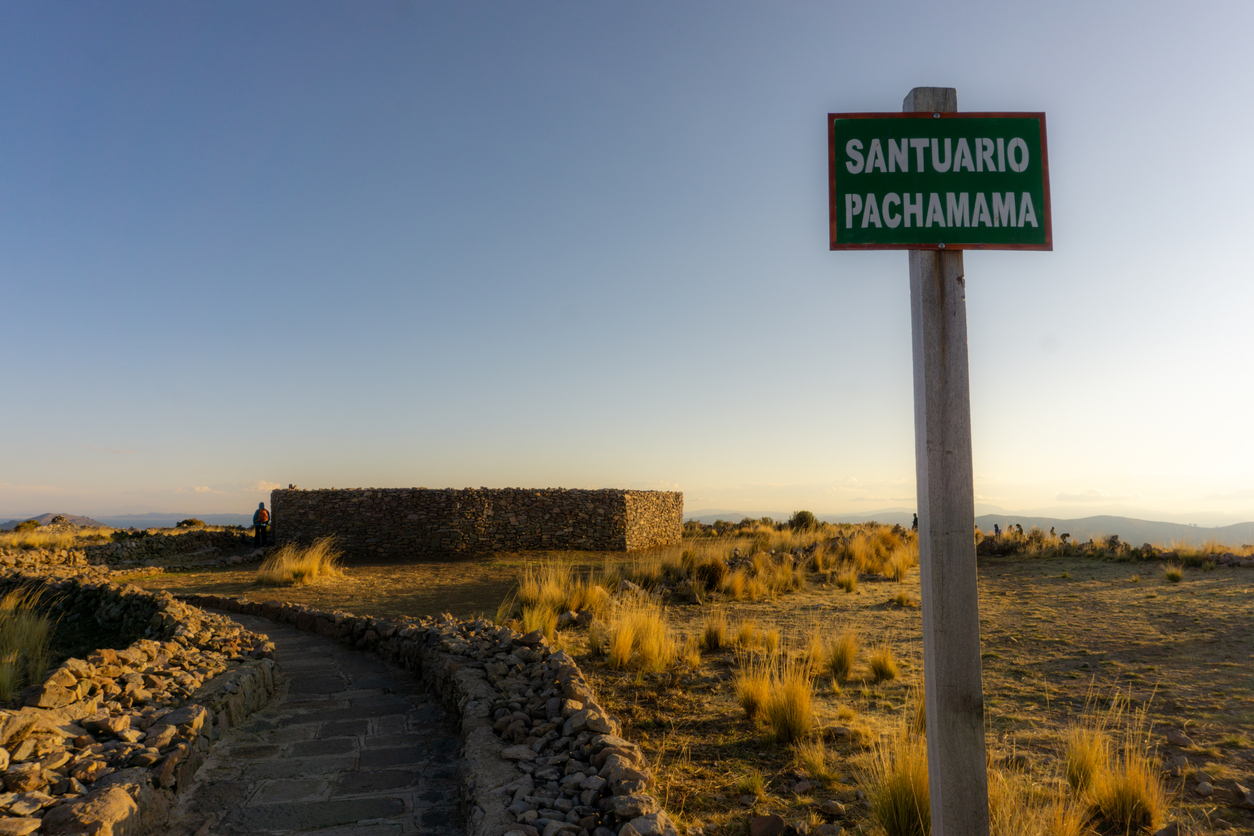
Myths, Legends, and Sacred Significance
Lake Titicaca is shrouded in myths and legends that fascinate the minds of visitors and locals alike. These stories are not merely tales; they form the backbone of the cultural and spiritual landscape of this region. Myths preserve the essence of belief systems and worldviews passed down through generations.
One widely shared legend revolves around the birth of the Inca civilization. Many believe that the sun god, Inti, directed Manco Cápac and Mama Ocllo to emerge from the lake. These legendary figures are said to have founded the city of Cusco, establishing the mighty Inca Empire.
Another captivating tale speaks of a submerged city beneath the lake's glistening surface. According to local lore, gold and treasures lie hidden, untouched by time. This Atlantis-like myth fuels both dreams of adventure and cultural pride.
The lake's waters are equally sacred. They are believed to be infused with spiritual power, a link between the mortal world and divine realms.
The indigenous peoples perform rituals to honor deities and connect with their ancestors.
- Prevalent myths include: Creation of the Inca by sun god, Inti
- Submerged city of treasures
- Divine and spiritual lake waters
These stories highlight the lake’s deep spiritual importance to the local communities. They also enhance the travel experience, offering a mystical dimension that goes beyond scenic beauty.
For modern visitors, understanding these narratives offers a richer connection to the area. It transforms a trip into a journey of discovery, where history and myth walk hand in hand. The myths of Lake Titicaca are not just stories; they are living traditions that continue to inspire and captivate.
By engaging with these legends, travelers can experience the profound layers of cultural significance embedded within the lake's mystical aura. This sacred landscape invites all to explore its enigmatic depths and to reflect on the timeless narratives it shelters.
Lake Titicaca in Inca and Pre-Inca Civilizations
Lake Titicaca served as a cradle of civilization long before the rise of the Inca. Its surrounding area was home to advanced societies, each leaving an indelible mark on history. These cultures formed complex societies that thrived in harmony with their environment.
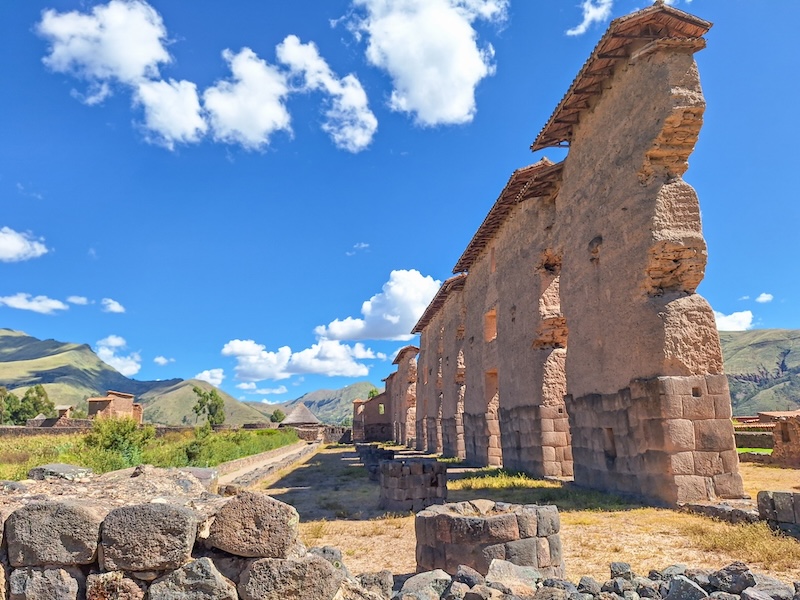
One of the most notable Pre-Inca civilizations associated with Lake Titicaca is the Tiwanaku culture. It flourished between 400 and 1000 AD around the southern shores of the lake. Tiwanaku's architectural prowess and agricultural innovation laid the foundation for future Andean cultures.
The site of Tiwanaku itself is a marvel, boasting impressive stone carvings and monolithic structures. Its remnants suggest a highly organized society skilled in astronomy and engineering. These achievements hint at the spiritual and strategic importance of Lake Titicaca to its inhabitants.
The Inca Empire absorbed this rich cultural heritage as it expanded its realm. Lake Titicaca became not just a geographical landmark but a cultural cornerstone. The lake was revered as the birthplace of the first Inca leaders, Manco Cápac and Mama Ocllo, linking spiritual myth to the tangible world.
- Key historical elements:Tiwanaku civilization's architectural and agricultural advancements
- Influence on Inca religious beliefs and rituals
- Importance as a center of trade and cultural exchange
The lake's role in Pre-Inca and Inca societies illustrates its enduring significance. It was a nexus of mythology, trade, and religion, reflecting a continuity of cultural expression. Understanding this historical tapestry enhances one’s appreciation of both the lake and its ancient guardians.
For travelers and content creators, the history of Lake Titicaca offers a rich vein of storytelling and insight. It calls to those intrigued by the origins of great civilizations and the enduring legacy of sacred lands.
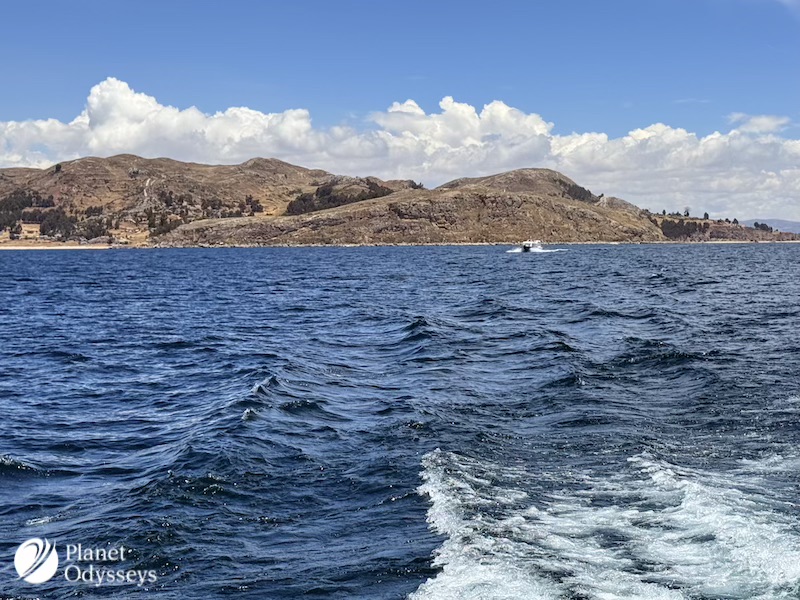
The Lake’s Role in Modern Culture and Identity
Today, Lake Titicaca remains a vital cultural symbol for both Peru and Bolivia. Its waters continue to inspire and nurture the traditions of indigenous communities living along its shores. The lake's modern significance is embedded in the daily lives and spiritual practices of these people.
Modern festivities around Lake Titicaca often reflect age-old traditions. These celebrations showcase the rich tapestry of local customs, crafts, and beliefs. The lake serves as a vibrant stage where past and present meet, highlighting cultural continuities and transformations.
Contemporary art and music from the Lake Titicaca region often draw on its mythological and historical themes. Artists and musicians reinterpret age-old stories, infusing them with contemporary elements. This fusion creates a unique cultural identity that is both local and universal.
- Cultural expressions today:Traditional festivals preserving ancient rituals
- Artistic reinterpretations in music and dance
- Integration of indigenous identity with modernity
The lake's influence extends far beyond its physical boundaries. It symbolizes a shared heritage and identity for millions, serving as a living link between generations. For those wishing to deeply explore Andean culture, Lake Titicaca offers a window into the soul of this vibrant and enduring region. Such exploration fosters a greater understanding and respect for the diverse cultural landscape that surrounds it.
Geography and Natural Wonders of Lake Titicaca
Lake Titicaca is a geographical marvel nestled high in the Andes. Its elevation of 3,812 meters makes it the highest navigable lake globally. Straddling the border of Peru and Bolivia, the lake's waters stretch across a breathtaking expanse.
This enormous body of water covers approximately 8,372 square kilometers. Its size and altitude create a unique climate and ecosystem. The surrounding landscapes feature rugged mountains and serene shorelines, offering a striking contrast with the lake's deep blue waters.
Numerous islands, such as the well-known Uros, Taquile, and Amantani, dot Lake Titicaca. These islands are characterized by their unique cultural and ecological features. They provide visitors with a glimpse into both untouched nature and vibrant cultural traditions.
- Geographical Highlights:High elevation of 3,812 meters
- Expansive water area of 8,372 square kilometers
- Enchanting islands and varied landscapes
The lake's natural splendor is further enriched by its diverse plant and animal species. The endemic Titicaca water frog and the vibrant totora reeds are just two examples. This biodiversity makes it a treasure trove for nature enthusiasts and biologists alike.
Engaging with Lake Titicaca's geography offers a profound appreciation of its natural wonders. Visitors are encouraged to explore its shores and islands, immersing themselves in both beauty and tranquility. These experiences provide a deeper connection to the lake's majestic presence and its place in the world.
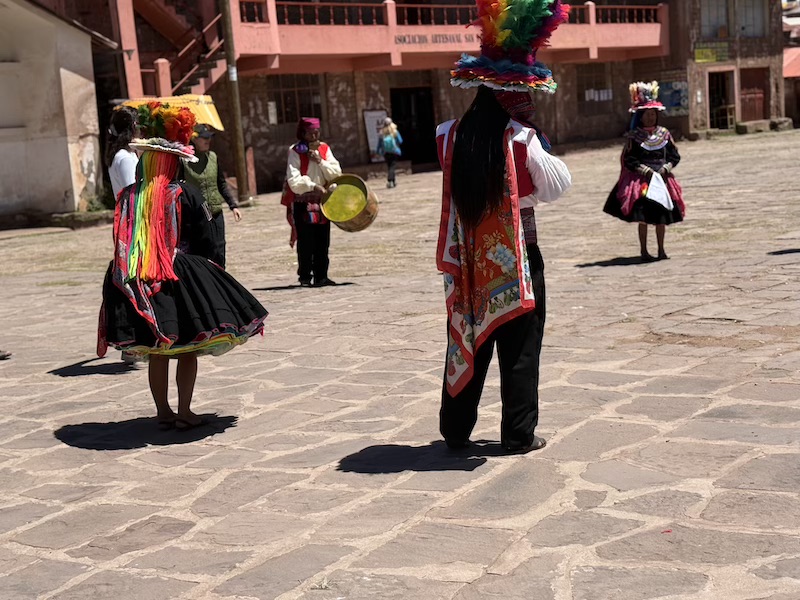
Unique Communities: The Uros, Taquile, and Amantani Islands
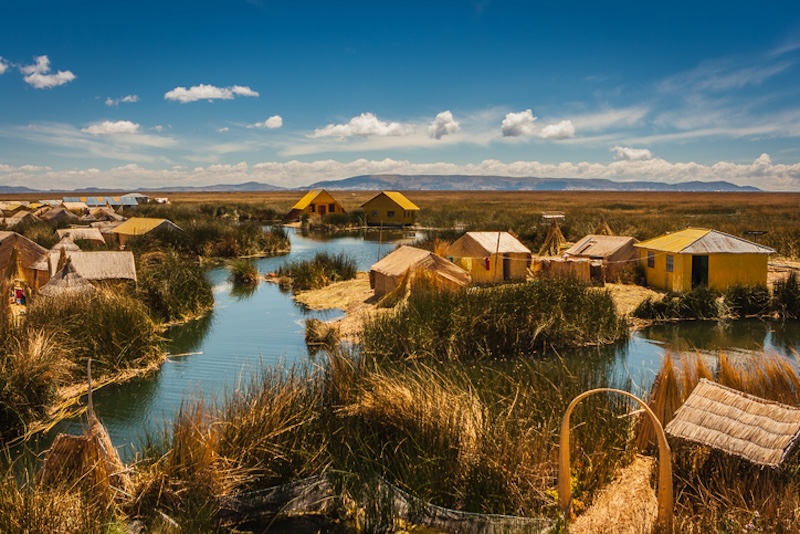
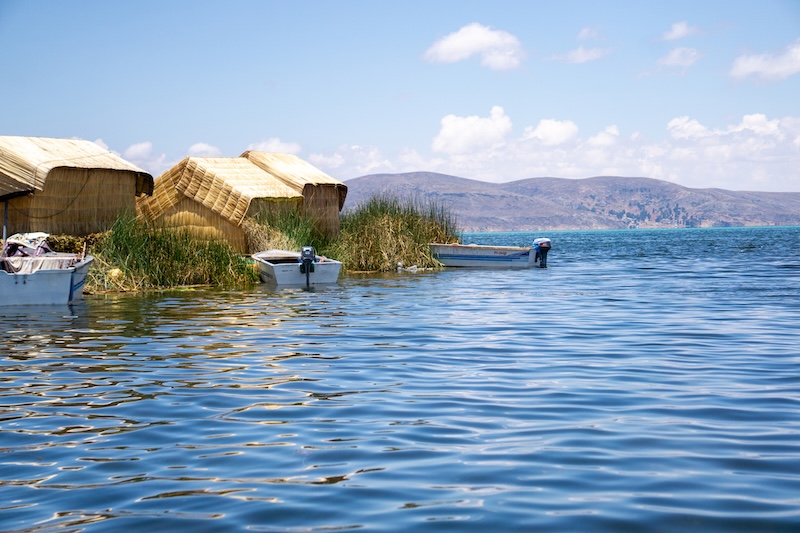
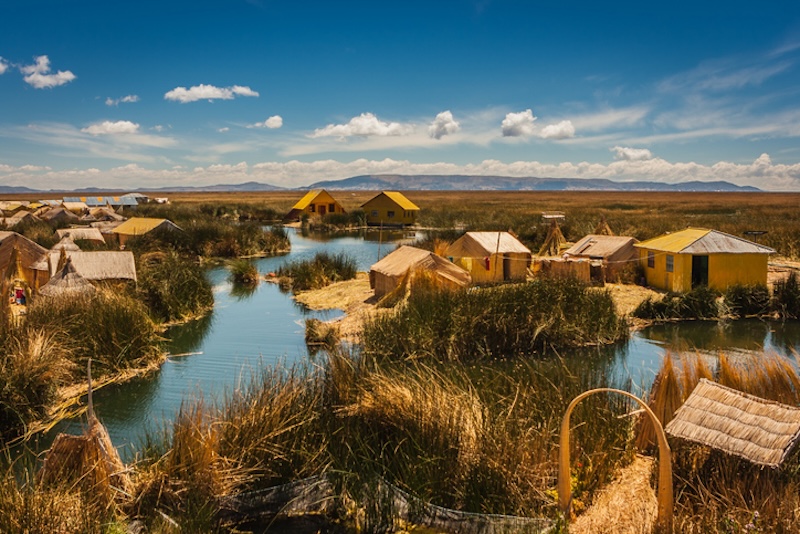
Lake Titicaca is not only famous for its natural beauty but also for its vibrant communities. Among them, the Uros people stand out for their unique lifestyle. They inhabit floating islands crafted entirely from totora reeds.
These islands are a marvel of human ingenuity and adaptability. The Uros have lived like this for centuries, maintaining a delicate balance with nature. Their way of life offers an incredible insight into sustainable living.
Taquile Island presents another fascinating cultural experience. It is well known for its rich textile arts. The islanders' weaving skills are recognized by UNESCO as a Masterpiece of the Oral and Intangible Heritage of Humanity.
Equally captivating is Amantani Island, renowned for its serene atmosphere. It’s a place where traditions hold firm, and time seems to slow down. The islanders warmly invite visitors to experience their culture and daily life.
- Cultural Highlights:Uros' floating reed islands
- Taquile's traditional textile craftsmanship
- Amantani's peaceful traditional living
All these communities offer unique experiences that enrich any visit to Lake Titicaca. Engaging with these islands allows travelers to connect with the region’s living heritage. Visitors often leave with a deep appreciation for the harmony between people and their environment here.
A trip to these islands is more than a cultural exploration; it is a journey into the heart of resilience and tradition. It showcases how these communities maintain their identity while embracing tourism as a means of sharing their heritage with the world.
Ecological Richness and Endemic Species
Lake Titicaca's ecological landscape is as rich as its cultural tapestry. Its high-altitude setting nurtures a unique array of species. These include many that are rare and endemic.
The Titicaca water frog is a prime example of this uniqueness. These frogs, often called "scrotum frogs" due to their skin folds, are found nowhere else on Earth. Their presence highlights the lake’s distinct ecosystem.
In addition to amphibians, Lake Titicaca boasts an impressive variety of bird species. This includes the striking Titicaca flightless grebe. Various ducks, herons, and flamingos also thrive around the lake’s shores.
- Notable Wildlife: Titicaca water frog
- Titicaca flightless grebe
- Diverse bird species
The ecological significance of Lake Titicaca extends beyond species rarity. It plays a vital role in regional biodiversity, supporting both the local environment and livelihoods. This ecological richness provides ample opportunity for travelers to engage with nature, offering moments of discovery and reflection amidst stunning vistas.
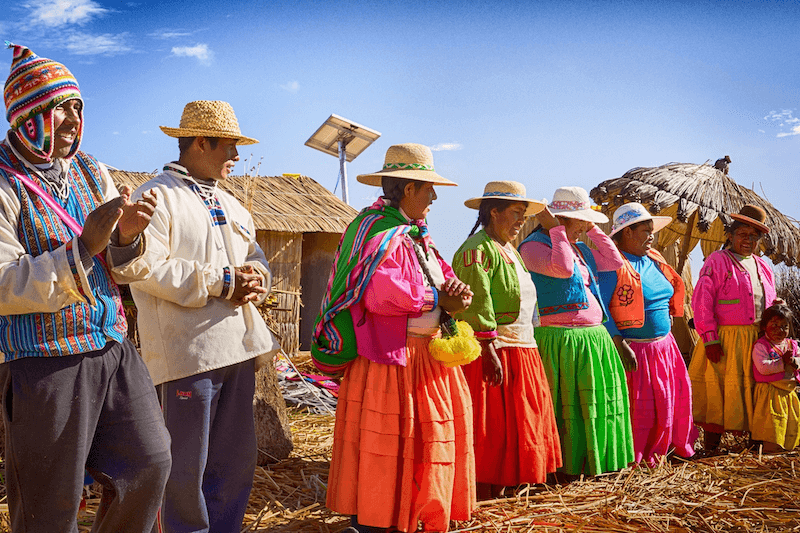
Festivals, Traditions, and Living Heritage
Lake Titicaca is a lively center for cultural festivals and traditions. These events offer a window into the vibrant soul of the Andean people. Each festival celebrates the rich tapestry of Lake Titicaca’s communities.
One such important event is the Fiesta de la Candelaria. It takes place in February in the city of Puno. This festival is known for its colorful dances and vibrant costumes, drawing visitors from around the world.
In addition to such grand celebrations, smaller traditional ceremonies hold significant cultural value. These include agrarian rites and offerings to Pachamama, or Mother Earth. These practices reveal the deep connection locals maintain with their land and beliefs.
- Key Cultural Events: Fiesta de la Candelaria
- Agrarian rites
- Offerings to Pachamama
The lake’s living heritage is continually enriched by these events. These traditions provide travelers a chance to engage authentically with local customs. Observing these festivals fosters a deeper appreciation of the area's enduring cultural legacies.
Travel Tips: Experiencing Lake Titicaca Authentically
Traveling to Lake Titicaca offers a unique opportunity to delve into both natural beauty and cultural depth. To make the most of your visit, consider traveling during the dry season. From May to October, the weather is ideal for exploring the lake and its surroundings.
Hiring a local guide can greatly enhance your experience. Guides can share stories and insights about Lake Titicaca’s historical and cultural significance. They can introduce you to hidden spots that are often missed by tourists.
Engaging with local communities is essential for an authentic experience. Participate in traditional activities or stay in a homestay on Taquile or Amantani Islands. These interactions offer genuine insights into the daily lives and traditions of the lake’s inhabitants.
- Travel Tips: Visit between May and October for best weather
- Hire a knowledgeable local guide
- Engage in community activities and homestays
Respect the local customs and environment as you explore. Support sustainable tourism by minimizing waste and choosing eco-friendly options. Approaching the lake with an open mind and respect for its culture ensures a rewarding visit.
Sustainable Tourism and Responsible Exploration
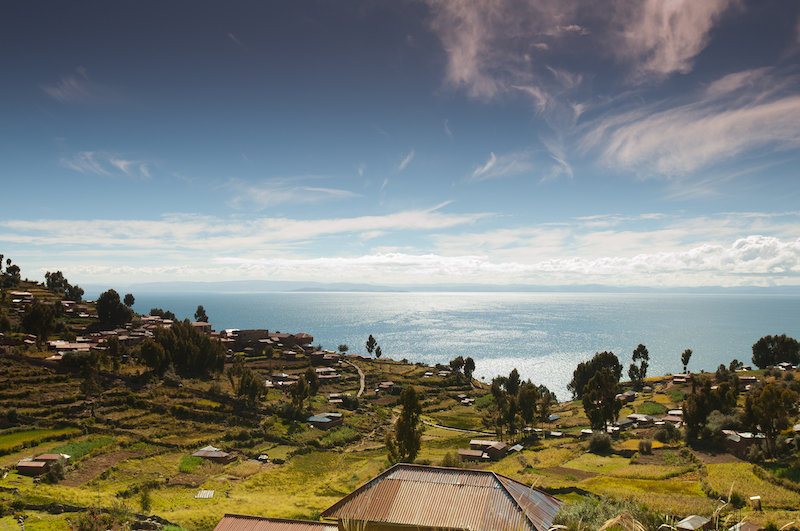
Embracing sustainable tourism at Lake Titicaca is crucial to preserving its rich cultural and natural treasures. Travelers are encouraged to act responsibly, ensuring that their impact on the environment is minimal. This involves simple steps, such as reducing waste and respecting local wildlife and landscapes.
Supporting local businesses is another key aspect of sustainable tourism. Opt for accommodations and services run by community members, which directly benefit the local economy. This practice not only bolsters the region’s sustainability but also enriches your cultural experience through authentic interactions.
Commitment to responsible exploration ensures the lake remains a vibrant destination for future travelers. Participating in conservation activities or workshops on environmental awareness can deepen your connection to this remarkable place. As the lake continues to captivate with its beauty and history, sustainable practices safeguard its legacy for generations to come.
- Sustainable Practices:Minimize your environmental footprint
- Support local businesses and services
- Engage in conservation efforts and workshops
Key Takeaways: The Meaning of Lake Titicaca for Travelers and Creators
Lake Titicaca is more than just a scenic wonder; it holds a tapestry of cultural and historical threads. For travelers, understanding the lake's significance can enhance the depth of their journey. Exploring its myths and stories allows visitors to connect with the spiritual and cultural essence of this Andean treasure.
Content creators can draw from the lake's rich narratives to inspire authentic storytelling. Incorporating its historical roots and vibrant modern identity can captivate audiences and encourage exploration. The diverse experiences available at Lake Titicaca offer endless opportunities to create engaging content.
By appreciating the meaning behind Lake Titicaca, both travelers and creators can approach it with respect and curiosity. It is a destination that offers profound insights into the interwoven fabric of nature, culture, and history. This understanding fosters a genuine connection, making each visit more memorable and impactful.
- Key Takeaways:Appreciate the cultural and spiritual significance
- Use the lake's narratives for engaging storytelling
- Foster a respectful and curious approach to exploration
Conclusion: Embracing the Spirit of Lake Titicaca
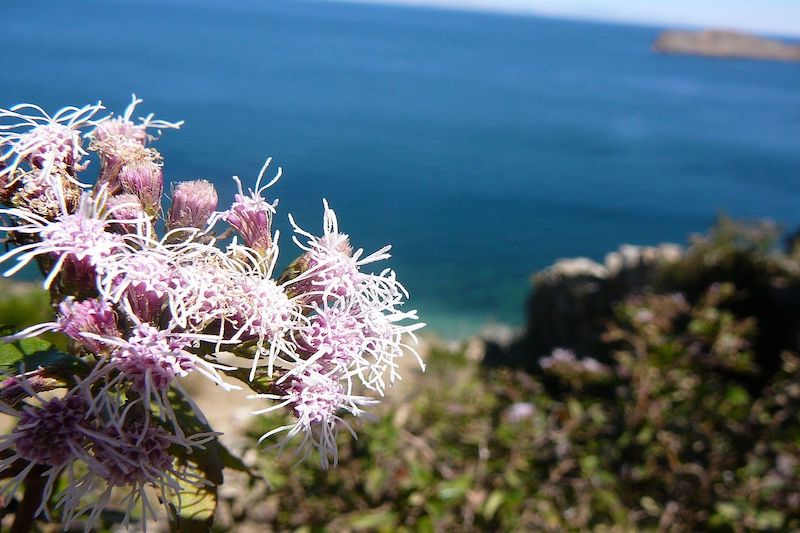
Lake Titicaca is a destination that embodies a rich tapestry of cultural heritage and natural beauty. Its stories, wrapped in myths and legends, invite travelers to dive deeper into the essence of the Andean world. By embracing its historical significance, visitors can truly appreciate the lake's unique role in the cultural narratives of Peru and Bolivia.
For those crafting content, the lake offers an abundance of inspiration. The vibrant communities, the sacred tales, and the breathtaking landscapes provide a wealth of material for creators. Sharing the lake's essence can captivate audiences and encourage them to explore its depths personally.
As one stands on its shore or sails across its waters, the mystical allure of Lake Titicaca becomes palpable. It is a reminder of the deep connection between the natural world and human culture. Each interaction with this majestic setting offers an opportunity to learn and reflect.
In visiting Lake Titicaca, travelers can carry a piece of its spirit with them. It’s a journey of discovery and reverence, offering memories that resonate long after the visit ends.
disable
[simple-author-box]