Uros Communities: Culture & Sustainable Tourism
Travelogs

Uros Communities: Culture & Sustainable Tourism

December 25, 2025
5 min read

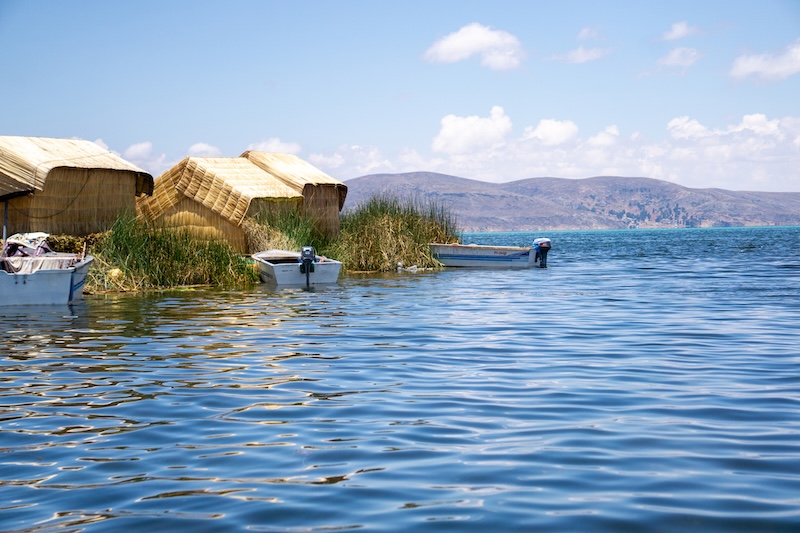
Nestled on the shimmering waters of Lake Titicaca, the Uros communities offer a glimpse into a unique way of life. These indigenous people have crafted their homes on floating islands made entirely of totora reeds. This remarkable feat of engineering showcases their deep connection to nature and resourcefulness.

The Uros islands are not just a tourist attraction; they are a living testament to cultural resilience. The Uros people have preserved their traditions while adapting to modern influences. Visitors can explore this fascinating blend of old and new through guided tours and homestays.

Sustainable tourism plays a crucial role in supporting the Uros communities. Organizations like Planet Odysseys emphasize responsible travel, ensuring that cultural integrity is maintained. Engaging with the Uros people offers insights into their rich heritage and daily life.

For content creators, the Uros islands provide endless inspiration. The vibrant handicrafts, traditional festivals, and serene landscapes are perfect for storytelling. By understanding and respecting the Uros culture, travelers can contribute to its preservation.

Join us as we delve into the world of the Uros communities. Discover their history, challenges, and the enduring spirit that defines them.
Lake Titicaca Tours: Explore From La Paz & Cusco

Understanding the Uros Communities: History and Heritage

The Uros communities trace their origins back centuries, embracing a history rich with tradition. Located on Lake Titicaca, these indigenous people have always lived in harmony with nature. Their choice to build floating islands reflects resilience and adaptation to their environment.

The Uros originally constructed their islands to escape conflict with neighboring tribes. Totora reeds, abundant around Lake Titicaca, became their primary building material. These reeds, when woven together, provide not only shelter but also a platform for daily life.

Their cultural heritage is a tapestry of language, spirituality, and communal living. The Uros people primarily speak Aymara, preserving their linguistic roots. They share a deep spiritual connection to the lake, considering it a sacred entity.

Traditions are integral to Uros life, passed down through generations. These include vibrant storytelling, musical expressions, and colorful festivals. Each tradition reflects their enduring bond with the past.

Their unique way of life is recognized globally. The Uros islands are part of the Lake Titicaca ecosystem, offering both cultural and natural diversity. This recognition underscores the significance of preserving their cultural heritage.

Understanding the Uros means acknowledging their:

  • Rich oral traditions
  • Unique architectural styles
  • Deep environmental connections

These elements contribute to the identity and survival of the Uros communities.
Uros Floating Islands: Culture & Tours on Lake Titicaca

Life on the Uros Islands: Daily Traditions and Modern Realities

Life on the Uros Islands is a blend of ancient customs and contemporary adaptations. Each day begins early, with the rising sun over Lake Titicaca. The community's daily tasks revolve around utilizing the lake's abundant resources.

Fishing remains a cornerstone of life, providing sustenance and economic support. Men of the community set out in their expertly crafted reed boats. They engage in traditional fishing techniques passed down by ancestors.

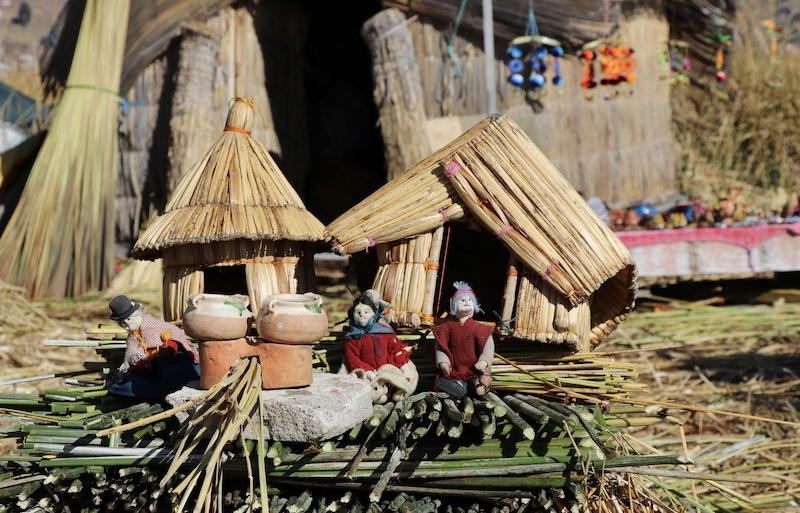
Women contribute significantly to island life, known for their vibrant handicrafts. They skillfully weave textiles and create intricate straw handicrafts, crucial both culturally and economically. These crafts tell the stories and traditions of their people.

Children's education blends local traditions with modern learning. They attend school both on the islands and on the mainland. This dual approach helps preserve culture while embracing modern knowledge.

The influence of tourism introduces new dynamics and opportunities. Visitors are welcomed into homes and invited to witness daily activities. This exchange fosters mutual understanding and respect.

Despite these modern influences, certain traditions remain unchanged:

  • Honoring ancestors through daily rituals
  • Celebrating festivals with dance and music
  • Engaging in community decision-making

These practices illustrate how the Uros harmoniously balance tradition and modernity in their daily lives.
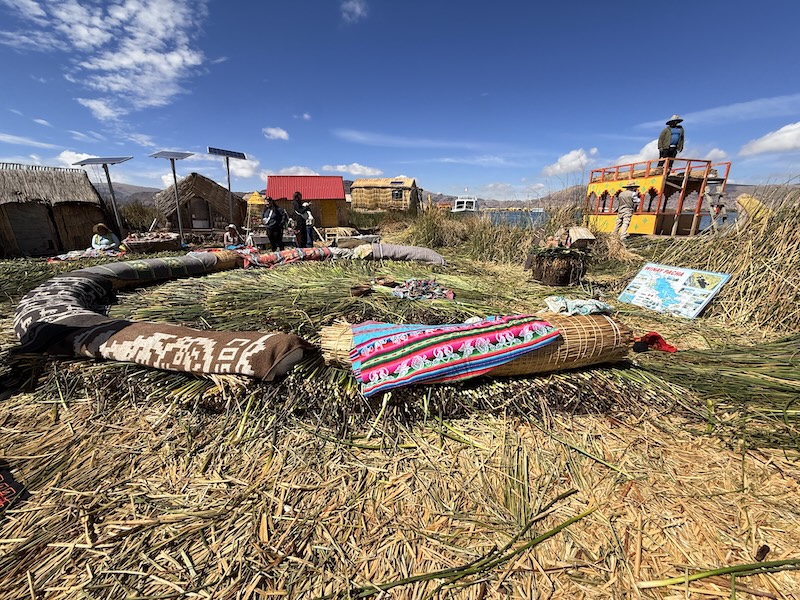
Uros Floating Island

The Art of Island Building: Totora Reeds and Ingenious Architecture

The creation of the Uros islands is a marvel of traditional engineering. These floating islands are constructed using totora reeds, an abundant natural resource in Lake Titicaca. The process begins by cutting and gathering dense blocks of buoyant totora roots.

These roots act as the island's foundation. The Uros then lay layers of reeds over these blocks, weaving a thick, spongy surface. The constant replenishing of reeds is necessary, as they decompose over time, ensuring the islands' stability.

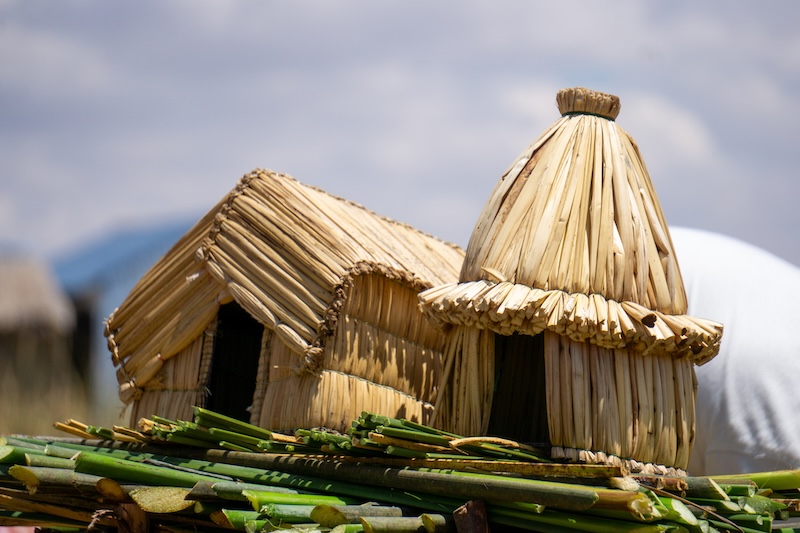
Constructing homes from these reeds showcases the Uros' ingenious architectural techniques. Using lightweight materials, they create sturdy structures that withstand the lake's occasional strong winds. Roofs are layered thickly to provide insulation against the cold nights.

The versatile totora reeds are also used to craft boats and everyday items. The boats, resembling ancient vessels, are essential for fishing and connecting with nearby communities.

Key elements in island construction include:

  • Totora root foundations for buoyancy
  • Layering of reeds for a living surface
  • Reed huts constructed for housing and protection

This innovative use of natural materials highlights the creativity and resourcefulness of the Uros people, making their floating homes a living testament to their adaptability.
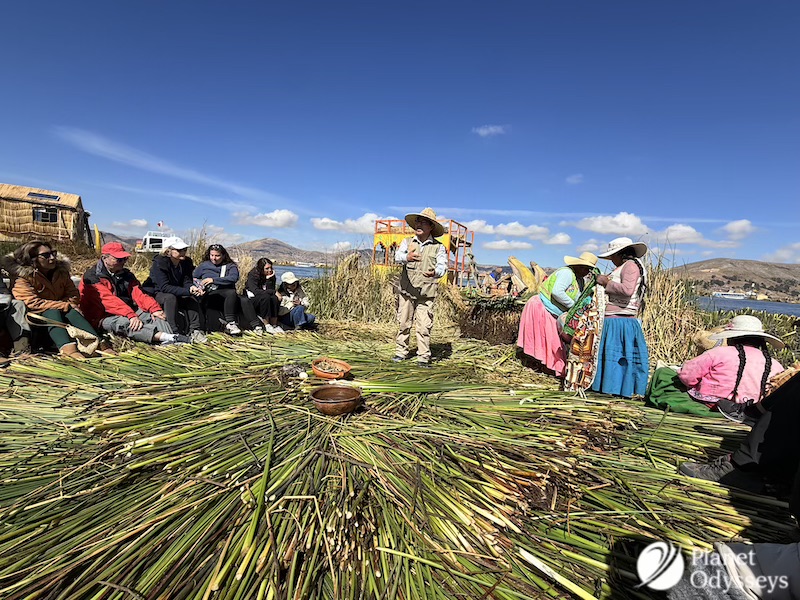
Uros Floating Island

Sustainable Tourism and Responsible Travel with Planet Odysseys

Planet Odysseys offers immersive travel experiences that prioritize sustainability and cultural sensitivity. They bring travelers closer to the Uros communities while minimizing their environmental footprint. Visitors can explore the rich heritage of the Uros islands through guided tours led by local experts.

By choosing Planet Odysseys, travelers support community-driven tourism initiatives. The funds generated contribute directly to the wellbeing of the Uros people. This model ensures the preservation of their traditions and promotes economic development without compromising cultural values.

Travelers can engage in hands-on activities that reflect the Uros way of life. These range from participating in reed weaving workshops to cooking traditional meals. This personal engagement fosters a deep understanding and appreciation of Uros culture.

Adhering to sustainable travel principles, tours emphasize smaller groups, reducing environmental impact. The company encourages responsible behavior, such as respecting local customs and preserving the natural environment. This approach helps protect the fragile ecosystem of Lake Titicaca.

Guidelines for responsible travel with Planet Odysseys include:

  • Supporting local artisans by purchasing crafts
  • Learning key Aymara phrases to greet locals
  • Engaging in eco-friendly practices during visits

By fostering an authentic connection between visitors and the Uros communities, Planet Odysseys highlights how tourism can be a catalyst for cultural preservation and sustainability.
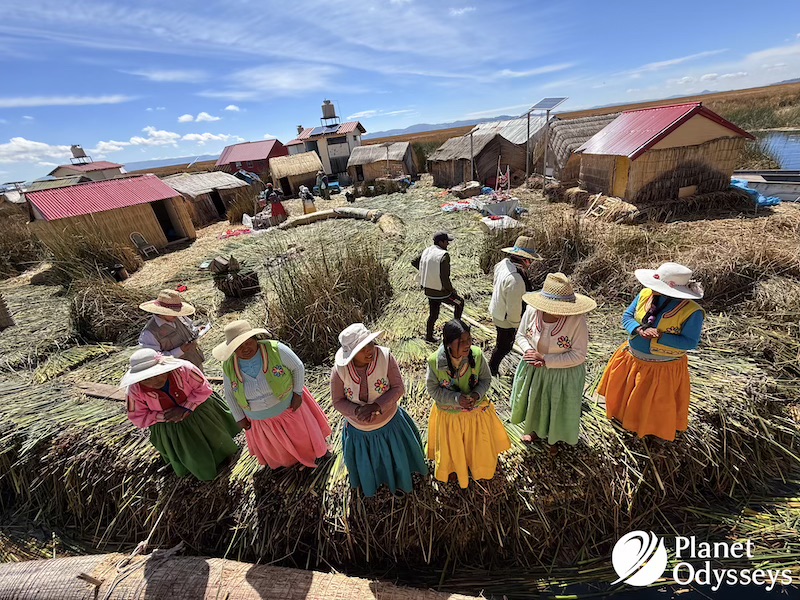
Nestled high in the Andes, Lake Titicaca is a marvel of nature. It is the highest navigable lake in the world. This majestic body of water straddles the border between Peru and Bolivia. Amidst its vast expanse lie the Uros Floating Islands. These islands are a testament to human ingenuity and resilience. Crafted entirely from totora reeds, they float gracefully on the lake's surface. The Uros people have called these islands home for centuries. They originally sought refuge here from hostile neighbors. Today, their unique way of life continues to captivate visitors. Each island is a living, breathing community. The Uros maintain their islands by adding fresh reeds as the old ones decay. This constant renewal is a symbol of their enduring spirit. Visitors to the Uros Floating Island Peru are welcomed with warmth and hospitality. The Uros share their traditions, crafts, and stories with pride. It's an opportunity to experience a culture deeply connected to its environment. A visit to these islands offers more than just stunning views. It provides a glimpse into a lifestyle that harmonizes tradition and modernity. The Uros Floating Islands are a cultural treasure waiting to be explored. The Enchanting Setting: Lake Titicaca and Its Significance Lake Titicaca is more than a geographical wonder. It holds great significance in Andean mythology. Many consider it the birthplace of the Inca civilization. The lake stretches across 3,232 square miles between Peru and Bolivia. Its sparkling waters reflect the sky and surrounding mountains. This creates a magical and serene environment that enchants travelers. Beyond its beauty, the lake serves as a vital resource. Local communities depend on its waters for fishing and transportation. It also supports a unique ecosystem, rich with diverse flora and fauna. Culturally, Lake Titicaca plays a crucial role in the lives of its people. It influences their traditions, beliefs, and folklore. The lake's mystical allure is woven into numerous legends and tales. Key aspects of Lake Titicaca include: It is the highest navigable body of water on Earth, at 3,812 meters above sea level. The lake is shared by two nations, Peru and Bolivia, reflecting its shared cultural heritage. Lake Titicaca nurtures over 500 aquatic species, including endemic fish. Surrounding areas host ancient archaeological sites tied to pre-Columbian civilizations. This extraordinary setting provides a backdrop for exploring the Uros Islands. It invites travelers to immerse themselves in the region's rich cultural and natural tapestry. Origins of the Uros Floating Islands: History and Ingenuity The Uros Floating Islands represent an incredible human innovation. They are a unique response to the challenges posed by the region's history and geography. This ingenuity has enabled the Uros people to thrive on the lake for centuries. Originally, the Uros settled on the islands as a defense mechanism. They sought refuge from aggressive neighboring tribes. By constructing movable islands, they could evade threats and ensure their communities' safety. Creating these islands required significant creativity. The Uros used totora reeds, which grow abundantly in Lake Titicaca. These reeds form the island's base, offering both buoyancy and structure. Maintaining the islands is a continuous process. The reeds decay at the bottom, so new layers are added regularly. This sustains the islands and protects the community. Key historical and innovative practices of the Uros reed island Peru: Using totora reeds for construction and sustenance, including housing and traditional reed boats. Developing movable islands, offering safety and adaptability. Navigating Lake Titicaca's vast waters, cultivating unique fishing techniques. Preserving traditional lifestyles while adapting to modern influences and tourism. This cultural adaptability speaks volumes about the Uros' resilience. Despite environmental and social challenges, they have maintained their way of life. Their history underscores a story of survival and creativity. Through these floating islands, the Uros continue to inspire. They showcase how tradition can blend with practicality to create a sustainable existence. Today, the islands stand as a testament to human ingenuity and cultural persistence. Life on the Reed Islands: Daily Routines and Community Life on the Uros Floating Islands is a delicate balance of tradition and modernity. The residents maintain a lifestyle that has remained relatively unchanged for generations, yet they've adeptly integrated aspects of contemporary life. A typical day begins with the sunrise over Lake Titicaca. The Uros rise early to greet the new day and attend to daily chores. The beauty of their surroundings provides a peaceful start to their busy routines. Fishing is a central part of daily life, vital for both sustenance and economic trade. Men often set out in their reed boats to catch a variety of fish, essential to the Uros diet. Meanwhile, women engage in crafting and weaving. Reed weaving is more than just a necessity; it's an art form. The women create stunning handicrafts and textiles, which are sold to tourists. These crafts reflect the vibrant colors and patterns distinctive to Uros culture. Community life thrives with a strong sense of kinship and cooperation. Shared responsibilities keep the islands running smoothly. Elders play a vital role in passing down knowledge and cultural traditions to younger generations. Celebrations and festivals mark the calendar year with vibrancy. Traditional music, dance, and food are central to these gatherings, strengthening community bonds. Spiritual practices and storytelling also weave through daily life. Key aspects of daily life on the islands include: Fishing as a livelihood and cultural practice. Reed weaving for artistic and economic purposes. Community events that reinforce social connections. Transmission of traditional practices through storytelling and guidance from elders. In this enchanting setting, the Uros balance simplicity with rich cultural traditions. Their way of life offers a profound glimpse into a community that lives harmoniously with its environment. The Art of Reed Construction: Building and Maintaining the Islands The Uros Floating Islands are an extraordinary example of human ingenuity. Crafted from the totora reed, these islands illustrate a unique interaction between nature and human innovation. Creating the islands begins with gathering the essential totora reeds. These plants grow abundantly in Lake Titicaca's shallow waters. The reeds are cut, dried, and layered intricately to form the islands' foundation. The construction technique is both practical and adaptive. The dense layers ensure buoyancy while providing a firm surface. Continuous maintenance is crucial since the lower layers of reeds gradually decay. Every island is a collaborative effort. Families and communities work together to ensure structural integrity. Adding new layers of reeds is a regular task, requiring diligence and unity. Building and maintaining the islands involve: Harvesting totora reeds from the lake. Layering reeds to create a stable, floating platform. Regularly replenishing decayed layers with fresh reeds. Community collaboration for maintaining and repairing the structures. This craftsmanship is not only a necessity but also a cultural expression. The Uros people's expertise in reed construction is passed down through generations. This knowledge stands as a testament to their resilience and enduring way of life. In the interplay of labor and artistry, the islands emerge as both functional habitats and cultural landmarks. They represent a harmonious blend of tradition and skill. Uros Culture: Language, Traditions, and Spirituality The cultural tapestry of the Uros is richly woven with language, rituals, and beliefs. The Uros people primarily speak Aymara, with some fluent in Quechua and Spanish. These languages reflect a deep connection to their heritage and enhance their interactions with visitors. Traditions on the islands are vibrant and full of life. Music and dance play an integral role in Uros culture, serving as vessels for storytelling and celebration. Traditional crafts, such as weaving intricate textiles and crafting reed boats, are taught from generation to generation. The spiritual life of the Uros is deeply tied to Lake Titicaca. The lake is considered sacred, representing a source of life and spiritual sustenance. The Uros people maintain a close connection to nature, evident in their daily practices and rituals. Key aspects of Uros culture include: Preserving Aymara language and engaging in traditional crafts. Celebrating life through music, dance, and oral traditions. Honoring the sacred lake and practicing spiritual rituals. Cultural preservation remains vital for the Uros community. They actively engage in sharing their stories and customs with visitors, ensuring their legacy endures. The islands provide an extraordinary glimpse into a way of life that harmonizes tradition with the natural world. This cultural richness stands as a testament to the resilience and depth of the Uros heritage. The Largest Floating Island: Community Hubs and Social Life The largest of the Uros floating islands acts as the heart of social and cultural life on the lake. Here, several families coexist, fostering a tight-knit community environment. This island serves as a hub for communal activities and shared resources, like schools and meeting areas. Community life revolves around cooperation and mutual support. Families engage in collective tasks such as maintaining the reed structures and organizing local events. Social gatherings often center around communal spaces, where stories, music, and laughter fill the air. Key features of the largest floating island include: Multi-family living with collaborative daily routines. Shared educational facilities and communal meeting spaces. Hosting social events that strengthen community bonds. The island is more than just a living area; it's a place of learning and interaction. Children play and learn together, while adults plan and execute shared projects. This unique social structure reflects the importance of community and togetherness, making life on the floating island both vibrant and harmonious. These social interactions are essential for preserving the rich cultural heritage of the Uros people, ensuring traditions are passed on through generations. Uros Floating Islands Tour: What to Expect and How to Visit Embarking on a Uros Islands tour offers a journey into the captivating world of the Uros people. Visitors can expect a warm welcome as they step onto the soft, springy reed surfaces. Guided tours provide deep insights into the daily life and heritage of these resilient islanders. The tour typically starts with an introduction to the islands' construction. Guides explain the intricate process of weaving totora reeds to form the islands' sturdy base. Visitors often witness a demonstration of how these buoyant islands are maintained and preserved. During your visit, you'll have the opportunity to interact with the island's inhabitants. The Uros people gladly share their traditions, languages, and crafts. Handmade souvenirs, like vibrant textiles and intricate reed boats, are available for purchase, offering a piece of Uros culture to take home. Key experiences to anticipate on an Uros islands tour include: Educational talks on reed island construction and maintenance. Interactive sessions with the Uros people, including craft demonstrations. Stunning views of Lake Titicaca's expansive, serene waters. Travelers interested in an immersive experience might consider staying overnight. Some islands offer homestays, providing a firsthand glimpse into daily life. These stays support the community while offering a truly unique perspective on life in this tranquil setting. Access to the Uros Islands typically begins in Puno, the region's gateway city. From there, numerous tour operators offer packages to suit various interests and budgets. Whether opting for a brief visit or a longer stay, the Uros Floating Islands promise an unforgettable cultural encounter on the shimmering waters of Lake Titicaca. Responsible Tourism: Supporting the Uros and Sustainable Travel Visiting the Uros Floating Islands offers a chance to embrace responsible tourism. By supporting the Uros community, travelers contribute to preserving their unique way of life. A mindful approach to visiting helps protect the delicate environment of Lake Titicaca. Sustainable travel emphasizes respect for both cultural heritage and natural resources. Visitors are encouraged to engage thoughtfully with the community, gaining genuine insights into their traditions. Purchasing locally made crafts directly supports the artisans, providing them with a vital source of income. To ensure a positive impact, consider these tips for responsible tourism: Choose tour operators committed to sustainability and local partnerships. Follow the community's guidelines for behavior and interactions. Avoid using single-use plastics, minimizing waste on the islands. While exploring the floating islands, travelers can foster cultural exchange through respectful dialogue. This engagement enriches the visitor experience while honoring the profound spiritual connection the Uros people have with their land. Together, visitors and locals can create a travel experience that benefits all, safeguarding the islands for future generations. As a result, the enduring spirit and resilience of the Uros community continue to thrive in harmony with their environment. Practical Tips for Content Creators and Travel Agents Content creators seeking to capture the essence of the Uros Floating Islands should prioritize authenticity. Immersing themselves in local experiences will enrich their narratives. Engage deeply with the residents, learning about their daily lives and traditions. For travel agents, crafting an itinerary that highlights both cultural and natural elements is key. Ensure that tours include interactive experiences, such as observing reed boat building or participating in local dance performances. Highlighting the ingenuity and adaptability of the Uros people can make itineraries stand out. To maximize the impact of your content or travel packages, consider the following: Engage with local guides for insider perspectives. Feature compelling visuals like sunrise over Lake Titicaca. Emphasize sustainable practices in your narratives or tours. Incorporating these elements not only elevates the quality of your content but also strengthens the cultural understanding of your audience or clients. By showcasing the vibrant culture of the Uros Islands, you can inspire others to explore these remarkable floating communities responsibly. This approach benefits both the community and the broader travel landscape by fostering appreciation and respect for indigenous cultures. Conclusion: Preserving Heritage and Inspiring Exploration The Uros Floating Islands stand as a powerful testament to human resilience and creativity. They remind us of the importance of sustaining cultural traditions amidst modern challenges. By visiting these unique islands, travelers are invited to witness an ancient lifestyle preserved through generations. The experience of exploring the Uros Islands offers more than just a picturesque setting. It provides a deep cultural insight and an appreciation of sustainable living practices. Whether you're a content creator or a travel agent, sharing the story of the Uros Floating Islands can inspire others to seek out and respect indigenous cultures around the globe. By promoting responsible tourism, we contribute to preserving this heritage for future adventurers.

Cultural Immersion: Engaging with the Uros People

Engaging with the Uros people provides a profound cultural experience. Visitors can interact with community members who eagerly share their rich history and daily customs. These interactions offer invaluable insights into the lives of the Uros.

Participating in traditional festivals is a highlight for many visitors. These vibrant celebrations showcase Uros music, dance, and spirituality. They are perfect opportunities to witness the community's deep-rooted cultural identity.

Another way to connect is through homestays, where guests live with Uros families. This intimate setting allows for authentic exchanges and a deeper appreciation of their lifestyle. Sharing meals and stories creates lasting memories.

The Uros are known for their exquisite handicrafts. Workshops on textile and reed boat making are available for those interested in learning these ancient skills. Such workshops empower artisans and help preserve their crafts.

Visitors are encouraged to respect Uros customs and traditions. Learning a few basic phrases in Aymara demonstrates goodwill and respect. This small gesture often leads to more meaningful interactions.

Key cultural engagement tips include:

  • Participating in community-led tours and activities
  • Attending traditional celebrations respectfully
  • Supporting local artisans by buying handcrafted goods

These experiences foster genuine connections, enhancing both the traveler’s and the host’s cultural understanding and respect.
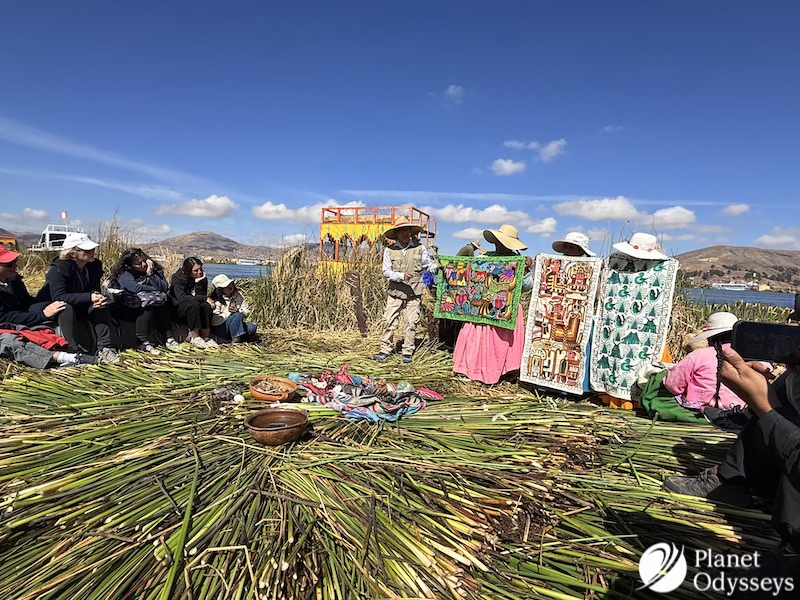
Titicaca Puno

Supporting the Uros: Handicrafts, Homestays, and Community Initiatives

Supporting the Uros communities ensures their cultural survival and economic growth. Purchasing local handicrafts is a direct way to contribute. The Uros people create vibrant textiles and intricate reed boats, each piece telling a story.

Homestays offer visitors a chance to immerse themselves in Uros life. They allow travelers to experience the daily rhythms of the community firsthand. This initiative not only enriches the visitor’s experience but also benefits the hosts economically.

Community initiatives play a crucial role in preserving Uros traditions. Projects focused on education and sustainable tourism strengthen cultural practices. They empower the Uros people to share their heritage with pride.

By participating in these programs, tourists support sustainable development. This approach encourages cultural preservation and provides much-needed financial support.

Consider these ways to support the Uros:

  • Purchase authentic handicrafts directly from artisans
  • Choose community-led homestays for an authentic experience
  • Engage in volunteer opportunities that focus on community empowerment

These actions help maintain the cultural vibrancy and economic stability of the Uros communities.
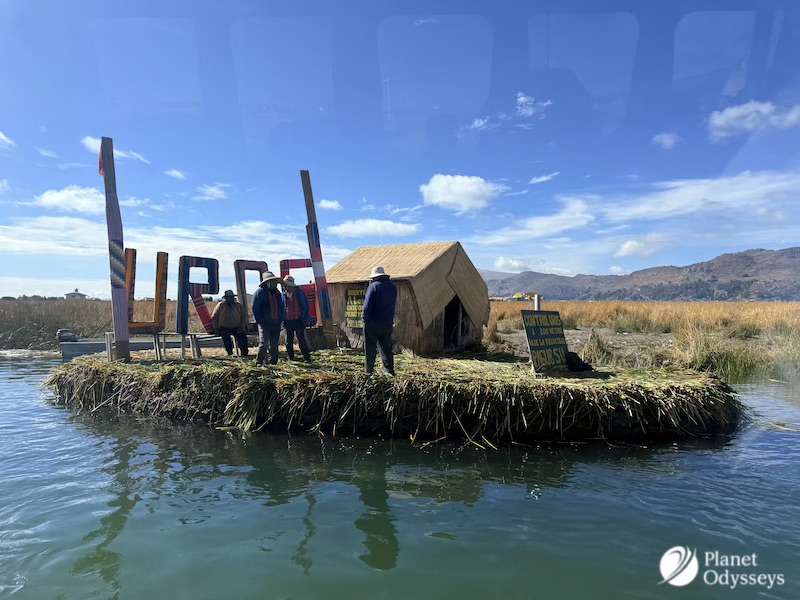
Uros Floating Islands of Lake Titicaca Tour

Challenges and Resilience: The Future of the Uros Communities

The Uros communities face several significant challenges today. Climate change threatens their delicate ecosystem. Rising water levels and changing weather patterns impact island stability.

Economic pressures also play a crucial role. The Uros rely heavily on tourism, which fluctuates with global travel trends. This dependence makes them vulnerable to external forces.

Despite these challenges, the Uros people display remarkable resilience. They continuously adapt their traditional practices. Innovation blends with tradition to ensure their way of life endures.

The community’s commitment to cultural preservation is evident. Efforts include educational programs and workshops. These initiatives focus on passing down traditions and fostering community pride.

Strategies to support their resilience include:

  • Promoting sustainable tourism practices
  • Encouraging education and skill-building programs
  • Supporting local infrastructure improvements

These strategies help the Uros communities face future challenges with strength. They ensure the continuation of their rich cultural heritage for generations to come.
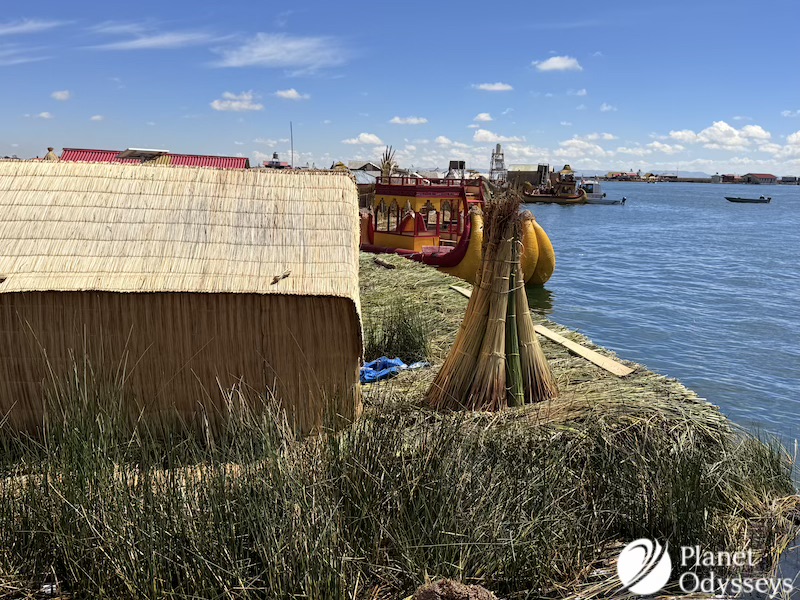
Uros Puno

How to Visit Respectfully: Tips for Content Creators

Visiting the Uros islands is a unique cultural opportunity. However, it’s crucial to approach with respect and understanding. Sensitivity to local customs ensures meaningful exchanges.

Content creators can play a key role. Highlighting authentic stories and cultural practices helps promote respectful tourism. Emphasize the community's needs and perspectives in your narratives.

Here are some essential tips for respectful visits:

  • Learn basic Aymara or Spanish phrases to communicate.
  • Avoid disrupting daily life and observe respectfully.
  • Support local economies by buying crafts from artisans.
  • Request permission before photographing people or places.
  • Choose tour providers committed to sustainable practices.

These practices help maintain a positive relationship between visitors and the Uros people. They contribute to the preservation of the Uros communities' cultural integrity.

Conclusion: The Enduring Spirit of the Uros

The Uros communities stand as a testament to human resilience and ingenuity. Their floating islands and unique culture continue to captivate the hearts of travelers worldwide.

Despite challenges, the Uros people persist in preserving their traditions. Their commitment to cultural integrity amidst modern influences is truly inspiring. They offer a window into a world where tradition and innovation harmoniously coexist.

Engaging with the Uros communities is more than a travel experience; it is an invitation to learn. Visitors leave with a profound appreciation for their vibrant heritage and enduring spirit.

disable

[simple-author-box]

About the Author

Planet Odysseys

Travel Experts

Local travel experts passionate about sharing the authentic beauty of Lake Titicaca, Peru, and Bolivia through responsible and cultural tourism.

Ready to visit?

Experience these amazing places with our expert guides.

Explore Tours
Chat with us on WhatsApp