
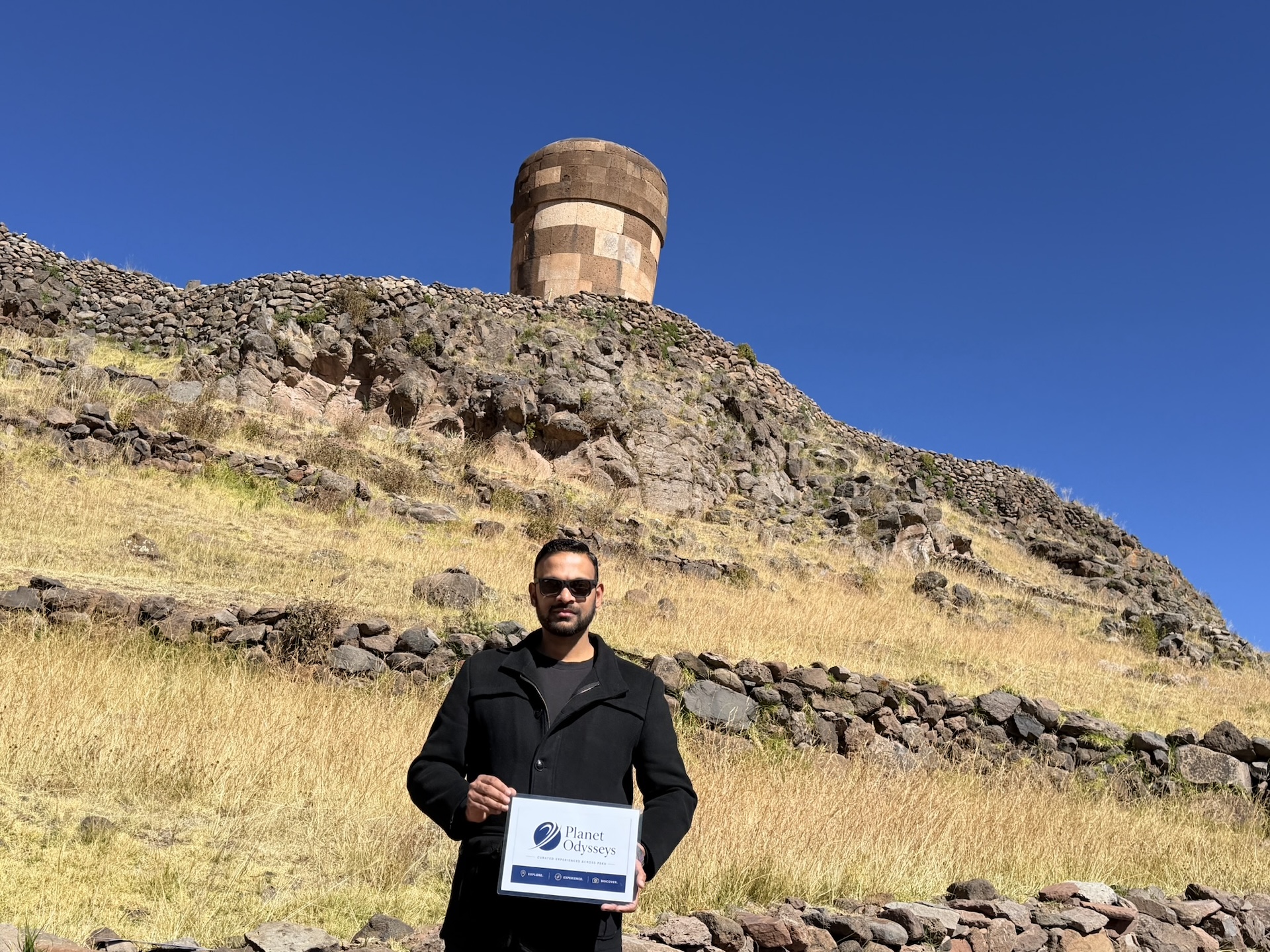
Nestled in the highlands of Peru, Sillustani—often noted in travel guides as Sillustani Peru—is a site of profound historical significance. This ancient burial ground, located near the serene Lake Umayo, offers a glimpse into the past. It is renowned for its chullpas, the famed Sillustani tombs, towering stone structures that stand as testaments to the engineering prowess of pre-Incan cultures.
The chullpas of Sillustani are not just architectural marvels; to many travelers searching for “Sillustani tombs Peru,” they are cultural treasures that tell the story of the Colla people. These cylindrical tombs were built with precision, using large stone blocks that have withstood the test of time. They served as the final resting places for the elite, including leaders and nobility.
Sillustani is more than a historical site; it is a sacred space. Local communities continue to honor their ancestors here, maintaining a spiritual connection to the land. Visitors to Sillustani can immerse themselves in the spiritual beliefs and funerary practices of the Colla and Inca cultures.
The site offers breathtaking views of the surrounding landscape, including the tranquil waters of Lake Umayo. It is a place where nature and history converge, creating a unique experience for travelers. Despite its significance, Sillustani remains less crowded than other Peruvian destinations, providing an intimate exploration of Andean heritage.
Sillustani is accessible from the city of Puno, making it a convenient day trip. It is a must-visit destination for those seeking to connect with the ancient history of the Andes. As part of Peru’s rich cultural heritage, Sillustani is protected by conservation efforts, ensuring its legacy endures for future generations.
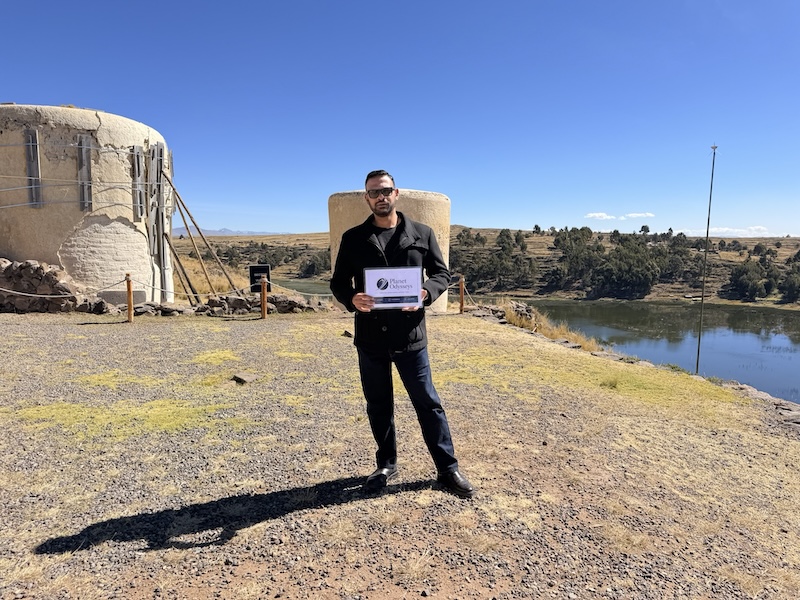
Discovering Sillustani: A Gateway to Andean Heritage
Sillustani offers a unique journey into the heart of Andean heritage. It stands as a gateway to the rich cultural traditions of Peru’s highlands. Travelers who venture here discover far more than stone structures; they engage with the spiritual essence of the region.
Visiting Sillustani means exploring beyond the typical tourist paths. Located in the Puno region, the site provides insights into the lives of the ancient Andean civilizations that once thrived here. The awe-inspiring chullpas are remarkable examples of their architectural skill.
For centuries, these towering chullpas have withstood the elements, showcasing the sophisticated techniques of their builders. The large stone blocks, intricately fitted together, illustrate the advanced understanding of construction possessed by these early peoples. Each chullpa is a historical narrative frozen in time.
The panoramic views from Sillustani are spectacular. The contrast between the looming tombs and the tranquil Lake Umayo creates a scene of serene beauty. Visitors can enjoy the majestic vistas while reflecting on the cultural significance of their surroundings.
Sillustani is rich in biodiversity, as well, offering an opportunity for nature lovers to witness Andean wildlife. The area serves as a habitat for various bird species and the elusive Andean fox. The blend of natural and cultural wonders makes Sillustani a truly unique destination.
Cultural tourists find Sillustani appealing for its authenticity and depth. Here, they can uncover the stories and traditions of ancient Andean people. The local guides, steeped in the culture and history of the region, provide enlightening narratives that enrich the visit.
For those interested in a deeper cultural understanding, consider these highlights:
- Engage with local experts to learn about the Colla and Inca cultures.
- Explore the spiritual practices linked to the chullpas.
- Support community-based tourism initiatives that foster cultural exchange.
Sillustani beckons visitors with its heritage and tranquility, a place where past and present seamlessly intertwine.
The Chullpas of Sillustani: Architectural Marvels of the Highlands
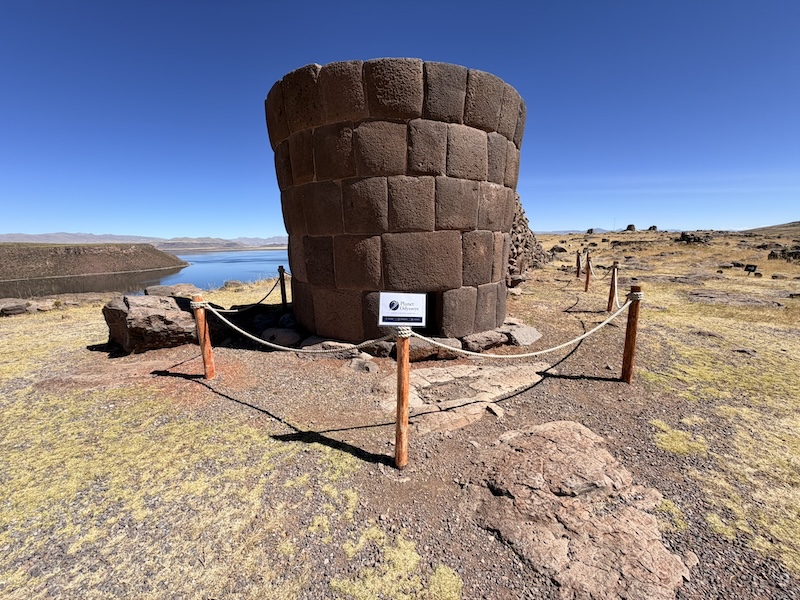
The chullpas of Sillustani stand as testaments to pre-Columbian engineering and architecture. These cylindrical Sillustani tombs dominate the landscape, demonstrating sophisticated construction techniques. Their impressive stature and craftsmanship attract admiration from all who visit.
These ancient mausoleums were primarily built by the Colla people. Their purpose was to house the remains of the elite, including leaders and nobles. The tombs’ design reflects their creators’ deep respect for the dead and a belief in an afterlife.
Chullpas vary in size, their dimensions often corresponding to the social status of those interred within. Larger tombs signify higher importance. The precision with which the stones are fitted is a marvel, showing advanced knowledge of masonry and design.
The architectural elements used in building the chullpas included large, precisely carved stone blocks. This approach ensured stability and longevity. The meticulous work required to create such a structure highlights the skill and effort involved.
The following aspects characterize Sillustani’s chullpas:
- Cylindrical shape for stability and strength.
- A single entrance facing east, symbolizing rebirth with the sunrise.
- Intricately carved details that denote status and affiliation.
Each feature tells a part of the story of those who constructed and used them. This attention to detail is a cultural hallmark of the time.
The choice of Sillustani as a burial site was strategic. Its elevated position provided protection and an unbroken view of the surroundings. Lake Umayo, adjacent to the site, added to its sacredness, believed to hold spiritual significance.
Today, these chullpas continue to intrigue archaeologists and historians. They provide insight into Andean engineering, social hierarchies, and spiritual beliefs. Visitors leaving Sillustani do so with a newfound appreciation for these ancient builders’ ingenuity.
Understanding these tombs is an essential part of appreciating Sillustani’s historical and cultural value. They are, without a doubt, architectural marvels of the Andean highlands.

The Colla People and Their Legacy
The Colla people, indigenous to the Andean highlands, left a lasting mark with their skilled craftsmanship and cultural contributions. Their civilization thrived long before the Incas rose to prominence, showcasing a rich and distinct heritage.
Known for their advanced agricultural practices, the Colla people adeptly managed the challenging Andean terrain. They built terraced fields, which allowed them to cultivate a variety of crops. This agricultural ingenuity supported a thriving community for centuries.
A key aspect of Colla society was their hierarchical structure. The elite, including chieftains and nobles, were honored with grand funerary monuments. The chullpas at Sillustani served as eternal resting places for these important figures.
The Colla’s religious beliefs centered on nature and the celestial cycles. They viewed natural landmarks as sacred and revered them in their spiritual practices. The chullpas, often aligned with cosmic events, underscore these spiritual connections.
Some defining features of the Colla people’s legacy include:
- Terraced agriculture supporting sustainable crop yields.
- Hierarchical society with distinct roles and status.
- Unique funerary practices symbolizing religious beliefs.
As skilled artisans, the Colla produced remarkable textiles and pottery. These artifacts reveal much about their daily lives and artistic expressions. Each piece tells a story, reflecting a society rich in tradition and talent.
Despite being absorbed into the Inca Empire, the Colla people’s influences remain evident today. Modern inhabitants of the region still draw from these ancient traditions. Their impact on the cultural landscape is deeply embedded in Andean history.
The legacy of the Colla people continues to resonate through their descendants and the monumental works they’ve left behind. Understanding their history enriches the experience of visiting Sillustani, connecting travelers to the spirit of a resilient and innovative people.

Inca Influence and the Evolution of Sillustani Tombs
The Inca Empire, renowned for its vast reach and sophisticated culture, significantly impacted the Sillustani region. When the Incas conquered the Colla people in the 15th century, they brought new architectural techniques and cultural practices. This fusion led to an evolution in the construction and use of the chullpas.
Chullpas built during the Inca period exhibit advanced masonry techniques. The Incas introduced the use of finely cut stone blocks that fit together with remarkable precision. This innovation enhanced the durability and aesthetic appeal of the tombs, reflecting Inca engineering prowess.
Inca influence extended beyond construction methods. They also introduced their own religious and ceremonial customs. The chullpas began to incorporate Inca symbols and alignments, integrating Colla beliefs with Inca cosmology. These changes underscored the amalgamation of the two cultures within the site.
The Incas also redefined the role of chullpas in society. Under their influence, tombs served not only as resting places but also as powerful political statements. They symbolized the unification and dominance of the Inca over the Colla, reinforcing their authority through imposing architecture.
As a result, Sillustani developed into a rich tapestry of Colla and Inca traditions. The site showcases a blend of indigenous and imperial elements, offering a window into the dynamic interactions of these cultures. Each chullpa stands as a testament to this complex historical narrative.
Visitors to Sillustani today can appreciate the layered history embodied in its tombs. The site’s diverse influences remind us of the cultural exchanges that shaped the Andes, providing insight into how ancient societies adapted and evolved through conquest and cooperation.

Spiritual Beliefs and Funerary Practices
The spiritual beliefs of the ancient Andean people were deeply intertwined with their environment. At Sillustani, these beliefs manifested in the construction and use of chullpas. The site is a profound expression of their reverence for the cosmos and the cycle of life and death.
Ancient rituals at Sillustani were conducted to honor the deceased. The chullpas served as more than just burial sites; they were spiritual monuments. These structures were strategically placed to maintain a connection with celestial bodies and natural surroundings.
The Colla people had a holistic view of life and death. They believed in an afterlife where the soul would continue its journey. This belief dictated the elaborate burial practices seen at Sillustani. Tombs contained offerings meant to accompany the dead, ensuring their safe passage.
The purpose of such offerings was multifaceted. They included food, textiles, and ceramics, provided to support the deceased in the afterlife. These items were carefully selected based on their spiritual significance and practical use for the journey ahead.
Religious ceremonies often involved community participation. These events were opportunities to strengthen social ties and reaffirm cultural values. They also served as a moment for communities to collectively honor their ancestors and seek guidance.
At the heart of these practices was the concept of ayni, or reciprocity. This principle emphasized giving back to the earth and maintaining harmony with nature. The funerary customs reflected a deep respect for life’s cycle, rooting the community in a symbiotic relationship with the environment.
Understanding the spiritual and cultural importance of Sillustani enhances the experience of visiting the site. Travelers gain insight into the ancient beliefs that shaped the lives and deaths of those who once inhabited this sacred landscape. This spiritual connection adds depth to the historical narrative of the chullpas.

The Landscape of Sillustani: Nature and Sacred Space
Sillustani is nestled amidst a breathtaking landscape that adds to its mystical allure. Set on a plateau overlooking Lake Umayo, the site offers panoramic views that captivate visitors. This natural beauty complements the historical and cultural significance of the chullpas.
The location of Sillustani was not chosen by chance. The Colla people believed in the spiritual energy of the earth and water. The proximity to Lake Umayo amplifies the sacredness of the site, linking the chullpas to a broader cosmic order.
Lake Umayo itself is more than just a scenic backdrop. It holds cultural and spiritual importance for the local communities. The lake and surrounding areas are home to diverse wildlife, making Sillustani a rich natural ecosystem as well as a cultural landmark.
Visitors to Sillustani are encouraged to appreciate the site’s dual significance. As they explore, they should contemplate both the natural wonders and the profound cultural heritage. This dual appreciation enriches the experience and fosters a deeper understanding of ancient Andean traditions.
When exploring Sillustani, consider the following aspects:
- Panoramic Views: Enjoy the spectacular vistas that stretch across the altiplano.
- Wildlife: Observe various bird species and the elusive Andean fox.
- Environmental Harmony: Recognize the interconnection between nature and the chullpas.
- Sacred Spaces: Reflect on the spiritual essence that permeates the landscape.
- Cultural Reverence: Understand the cultural continuity and respect the sacredness of the site.
The landscape of Sillustani enhances its status as a sacred space, offering visitors a chance to connect both culturally and spiritually. The interplay of nature and history at this remarkable site provides an enriching and memorable experience for those who journey here.

Sillustani Today: Community, Conservation, and Responsible Tourism
Today, Sillustani continues to be a vital cultural and historical site. It attracts tourists seeking an authentic experience of Peru’s rich heritage. Amid its ancient ruins, local communities play a key role in preserving this heritage.
Community involvement at Sillustani is paramount. Local guides share stories and insights that bring the site to life. Their deep connection to the area ensures that cultural narratives remain alive for future generations.
Conservation efforts at Sillustani aim to protect both the archaeological treasures and the natural environment. Organizations work alongside local communities to maintain the site’s integrity. These efforts ensure that Sillustani remains a place of learning and reverence.
Responsible tourism practices enhance visitors’ experiences while safeguarding the site. Travelers are encouraged to respect the cultural and environmental nuances of Sillustani. This includes adhering to guidelines set by conservation authorities.
By adopting a community-based approach, tourism at Sillustani benefits local people. Economic opportunities from tourism help improve local infrastructure and services. This fosters a positive relationship between tourists and residents.
To promote sustainable tourism, consider the following practices:
- Hire Local Guides: Engage guides with deep knowledge of Sillustani’s history.
- Respect Cultural Protocols: Follow local customs and guidelines when visiting.
- Support Local Businesses: Purchase goods and services from community vendors.
- Minimize Environmental Impact: Stay on designated paths and protect wildlife.
- Educate Travelers: Inform visitors about the site’s cultural and historical significance.
By supporting responsible tourism, visitors contribute to the preservation and vitality of Sillustani. This ensures that both the heritage and natural landscape remain intact for future exploration. Sillustani offers a unique blend of history, culture, and community, a must-see for culturally minded travelers.

Planning a Visit: Practical Tips for Travel Agencies and Cultural Travelers
Planning a visit to Sillustani requires strategic preparation to ensure a rich cultural experience. The site, located near Lake Umayo in Peru’s Puno region, is accessible from the city of Puno. This proximity makes it an ideal day trip destination for travelers.
Travel agencies can capitalize on this by offering tailored itineraries. Consider incorporating visits to nearby attractions for a comprehensive experience. This strategy maximizes cultural exposure and enhances client satisfaction.
Engaging a local guide adds depth to the visit. Guides offer rich insights into the history and significance of the chullpas. Their narratives connect travelers with the past, making the experience more immersive.
Timely visits are crucial for optimal enjoyment. Early mornings or late afternoons provide the best lighting for photographs. These times also offer a serene atmosphere, avoiding midday tourist crowds.
Climate in the Puno region can be unpredictable. Advising travelers to prepare for various weather conditions is key. Recommend layers and sun protection to handle both sun and cold efficiently.
Ensure travelers respect local customs during their visit. The chullpas are sacred to local communities. Encourage visitors to approach the site with mindfulness and reverence.
For travel agencies, creating well-rounded tour packages can include elements such as:
- Transportation: Arrange comfortable and reliable transfers from Puno.
- Cultural Interactions: Facilitate meetings with local artisans or community members.
- Culinary Experiences: Incorporate local cuisine tasting sessions into itineraries.
- Educational Components: Provide informational materials or workshops about the site’s history.
- Flexible Schedules: Offer itineraries that accommodate different interests and paces.
By considering these tips, travel agencies and cultural travelers can enhance their visit to Sillustani. A thoughtfully planned journey ensures a memorable and insightful experience at this remarkable archaeological site.
Creating Immersive Itineraries: Community-Based Experiences at Sillustani
Crafting immersive itineraries at Sillustani enhances cultural understanding and fosters genuine connections. Engaging with the local community enriches the travel experience. It offers a deeper appreciation of the area’s heritage and traditions.
Community-based tourism initiatives are pivotal in this process. They provide authentic interactions with residents. Travelers gain insights into daily life, customs, and traditional practices.
Consider including activities such as artisan workshops. These sessions allow visitors to learn local crafts directly from skilled artisans. This hands-on approach promotes cultural exchange and supports local livelihoods.
Participating in traditional ceremonies can be a highlight. Travelers experience customs firsthand, enhancing their connection to the region’s spiritual heritage. Such participation requires sensitivity and respect for local practices.
Highlight local gastronomy by organizing meal-sharing events. Dining with families offers a taste of traditional dishes and fosters camaraderie. It transforms mealtimes into cultural storytelling moments.
To build engaging itineraries, integrate various elements:
- Local Markets: Explore markets offering unique handmade goods.
- Workshops: Arrange sessions on pottery or weaving.
- Traditional Music and Dance: Include performances that showcase local culture.
- Language Lessons: Offer basic Quechua or Aymara classes for authentic interaction.
- Agricultural Tours: Visit farms to learn about indigenous farming practices.
Incorporating these activities into itineraries creates memorable experiences. They ensure that travelers leave Sillustani with a deeper understanding of its rich cultural tapestry. Ultimately, these interactions not only enhance the visitor experience but also contribute positively to the local economy and cultural preservation.

Preserving the Past: The Importance of Ethical Tourism at Sillustani
Ethical tourism at Sillustani is essential for preserving its cultural and historical integrity. This ancient site offers much to learn and explore, but safeguarding it for future generations is crucial.
Tourists play a vital role in conservation efforts. By respecting site regulations, visitors help protect the delicate structures and the surrounding landscape. Avoiding detrimental behaviors ensures the site’s longevity.
Local communities are key partners in preservation. Their insights and traditions provide a framework for managing tourism responsibly. Engaging with them fosters a shared commitment to conservation.
Travelers must be aware of their impact. Small actions, such as staying on designated paths, can prevent erosion and damage to archeological elements. Responsible tourists minimize their environmental footprint.
Supporting businesses that prioritize ethical practices is important. This includes choosing guided tours that emphasize sustainable interactions. These businesses often reinvest in local conservation initiatives.
Adhere to these ethical tourism practices:
- Respect Cultural Protocols: Follow guidance from local communities regarding site conduct.
- Limit Waste: Avoid littering to keep the site pristine.
- Support Locals: Buy locally made crafts and products.
- Stay Informed: Learn about the site’s history and significance.
- Participate in Conservation: Join efforts aimed at preserving Sillustani.
Embracing ethical tourism helps protect Sillustani, ensuring it continues to educate and inspire visitors for generations to come. Together, tourists, guides, and locals can maintain the site’s splendor and significance.
Conclusion: Sillustani’s Enduring Legacy in Cultural Tourism
Sillustani stands as a testament to the rich tapestry of Andean civilization. Its towering chullpas reflect the advanced techniques and spiritual depth of the ancient Colla people.
Cultural tourists find Sillustani offers a rare glimpse into the past. Exploring the site connects visitors to the enduring legacy of pre-Incan and Incan traditions. This cultural immersion enriches understanding and appreciation.
The unique landscape surrounding Sillustani adds to its allure. Panoramic views and diverse wildlife invite deeper exploration. Respect and preservation of this sacred space ensure its beauty endures.
Through ethical tourism, travelers play a crucial role in maintaining Sillustani’s significance. By engaging responsibly, supporting local communities, and adhering to respectful practices, we ensure Sillustani will continue to inspire and educate. This commitment allows Sillustani to remain a cherished destination, fostering cultural exchange and historical awareness across generations.

Q&A
What are the chullpas of Sillustani, and who were they built for?
The chullpas are cylindrical stone funerary towers constructed primarily by the Colla people to house the remains of the elite—leaders and nobles—and later refined under Inca influence. Built with large, precisely fitted stone blocks, many feature a single east-facing entrance symbolizing rebirth with the sunrise. Their size often reflects the status of those interred, and carved details can denote rank or affiliation.
Why is Sillustani considered a sacred space, and how do spiritual beliefs appear in the site’s design and use?
Sillustani is sacred due to its enduring role in ancestor veneration and its alignment with Andean cosmology. The chullpas were positioned to maintain connections with celestial cycles and the surrounding landscape, especially Lake Umayo, which holds spiritual significance. Funerary practices included offerings of food, textiles, and ceramics to support the deceased in the afterlife, reflecting beliefs in reciprocity (ayni) and harmony with nature—traditions that local communities continue to honor today.
How did Inca influence change the construction and meaning of the Sillustani tombs?
After the Inca conquest of the Colla in the 15th century, chullpa construction incorporated finely cut, tightly fitted masonry that enhanced durability and aesthetics. The Incas also integrated their symbols and alignments, blending Colla beliefs with Inca cosmology. Beyond serving as tombs, chullpas became political statements, asserting Inca authority and unification through imposing, expertly crafted architecture.
What makes visiting Sillustani unique compared to other Peruvian sites?
Sillustani offers an intimate, less-crowded experience where nature and history converge. Set on a plateau with panoramic views of the highlands and tranquil Lake Umayo, the site combines striking chullpa architecture with rich biodiversity, including various bird species and the elusive Andean fox. Visitors engage not only with remarkable engineering but also with living cultural traditions and spiritual heritage.
How can travelers and agencies plan a meaningful and responsible visit to Sillustani?
Sillustani is an easy day trip from Puno. For the best experience, visit early morning or late afternoon for optimal light and fewer crowds, and prepare for variable highland weather with layers and sun protection. Hire local guides to deepen understanding, respect cultural protocols, stay on designated paths, and support community businesses. Consider community-based activities—such as artisan workshops, traditional meals, or cultural performances—to foster genuine exchange while helping preserve the site’s cultural and environmental integrity.