

Traveling through the Andes offers a unique cultural experience. The region is rich in history and tradition. Two indigenous languages, Quechua and Aymara, are still widely spoken.
Understanding these languages can enhance your journey. It opens doors to deeper connections with local communities. You’ll gain insights into their vibrant cultures and traditions.
Learning a few key phrases is a great start. It shows respect and appreciation for the local heritage. Plus, it can make your travels more enjoyable and rewarding.
Quechua and Aymara words are not just practical. They are a gateway to understanding the Andean way of life. They reveal the beauty and complexity of these ancient cultures.
This guide will introduce essential Quechua and Aymara words. Equip yourself with language basics for a memorable Andean adventure.
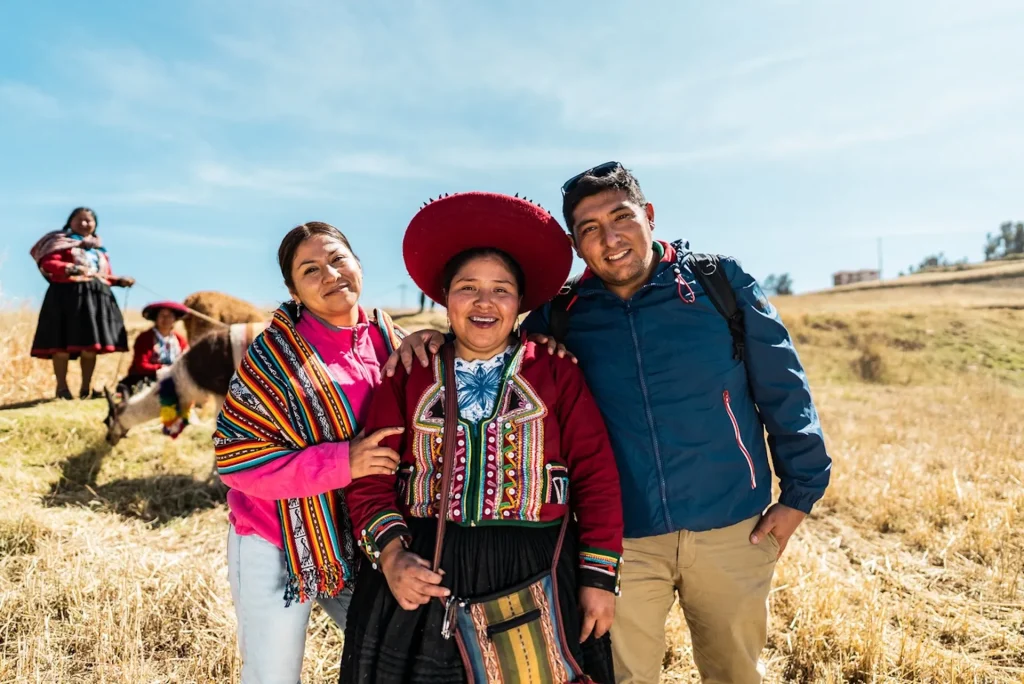
The Importance of Quechua and Aymara in Andean Travel
The Andean region is a tapestry of diverse cultures. Quechua and Aymara play vital roles in this mosaic. They’re deeply woven into the identity of the local people.
Speaking these languages can elevate your travel experience. It fosters genuine human connections. Locals appreciate efforts to speak their languages.
Communication barriers reduce when you know some key phrases. It can make navigation and interactions smoother. You might gain access to stories and knowledge that aren’t in guidebooks.
Consider the following reasons for learning Quechua and Aymara words:
- Shows respect for local cultures
- Enhances interaction with native speakers
- Opens doors to authentic experiences
These languages are more than just tools for communication. They enrich your understanding of the Andean world. With them, your journey becomes more profound and memorable.

Essential Quechua Travel Words and Phrases
Quechua is widely spoken in the Andean highlands. It’s both poetic and practical, creating a unique travel experience. Learning a few phrases can be extremely helpful.
Greetings set the tone for any interaction. Start with “Ñuqanchik kawsachkanchikpi?” meaning “How are you?” It welcomes conversation warmly.
Politeness opens many doors. Use “Sumaq” to say something is good or beautiful. Pair it with “Kayku” to express thanks, showing gratitude.
Essential phrases like “Maypi kachkani?” meaning “Where am I?” are useful in navigating. Understanding directions becomes easier. Locals appreciate your effort to speak Quechua.
When purchasing goods, “Hayk’aq?” asks for the price. It’s crucial in markets where haggling is common. Your curiosity in their language might earn you a smile.
Knowing words like “Musuq” for new can spark interesting discussions. Locals may share hidden stories and experiences. It enriches your travel considerably.
Consider adding these phrases to your Quechua language guide:
- ¡Allin p’unchay! (Good morning)
- Mana intindinichu (I don’t understand)
- Astawan yaqay (Please repeat)
Every interaction becomes a learning moment. Quechua is more than words; it’s a journey into ancient traditions. Engaging with it means diving deeper into the Andean lifestyle.

Key Aymara Words and Phrases for Travelers: Aymara Language Basics
Exploring the Bolivian highlands? Aymara can enhance your experience. It’s not just a means of communication but a bridge to culture.
Begin with greetings, as first impressions matter. Use “Kamisaraki,” meaning “Hello, how are you?” to start conversations on a friendly note.
Aymara expressions often capture complex meanings succinctly. The word “Jilata” refers respectfully to an elder brother or male friend. It’s used warmly in social settings.
When dining, know “Mank’aña” for “to eat.” Sharing meals is a cherished tradition. Using Aymara invites deeper connections with hosts.
Navigation becomes simpler with “Kunasa uka?” meaning “What is this?” Ask it while exploring markets or unfamiliar places.
Express gratitude with “Yuspagara,” a simple yet powerful thank you. It’s appreciated across various settings, adding a personal touch.
For curious explorers, these Aymara basics are useful additions:
- Nayra sartañani (See you later)
- Jach’a uru (Good day)
- Qillqaña (To write)
Learning these words shows respect for the Aymara identity. As you converse, remember their language roots go deep. Each word carries wisdom from centuries of heritage. Discovering Aymara is uncovering part of the Andean soul.

Cultural Insights: Language, Identity, and Respect
Language is more than words; it signifies identity and tradition. In the Andes, Quechua and Aymara embody rich histories and deep cultural roots. Learning them pays homage to these vibrant cultures.
Both languages carry nuances beyond typical greetings. They reveal community values and age-old wisdom unique to Andean life. Recognizing this gives travelers a richer, more respectful experience.
To truly respect these languages, one must embrace their cultural context. Here are some insights to keep in mind:
- Community Harmony: Cooperation is central. Language reflects communal living practices.
- Nature Reverence: Many words describe nature, showing a deep bond with land and cosmos.
- Oral Tradition: Stories and proverbs convey morals, shared through generations.
By understanding cultural contexts, travel becomes more than sightseeing. It becomes a journey into the heart of Andean lifestyles.

Practical Tips for Learning and Using Quechua and Aymara
Embarking on a linguistic journey with Quechua and Aymara can be immensely rewarding. Begin by familiarizing yourself with basic words and phrases. Language apps and online tutorials are excellent starting points.
Practicing with locals enriches your understanding and pronunciation. Many communities welcome visitors eager to learn and engage in their language. This interaction often leads to stories and cultural exchanges beyond the classroom.
To maximize learning, consider the following tips:
- Flashcards: Create flashcards for essential phrases and review them often.
- Language Exchanges: Join groups where you can practice and learn from native speakers.
- Cultural Immersion: Participate in local events, fostering practical application of new words.
With dedication and openness, mastering these languages enhances your Andean travels significantly.

Quechua Aymara Travel Words: Understanding the Differences
Quechua and Aymara are two distinct yet significant languages in the Andes. They each possess unique linguistic traits and cultural roots. Understanding these differences enriches your travel experience and appreciation of Andean heritage.
While both languages share geographical proximity, their phonetic and grammatical structures vary. Quechua is more widespread, spoken across several countries, whereas Aymara is predominantly found in Bolivia and Peru.
Here’s a brief comparison:
- Origins: Aymara traces back to the Tiwanaku culture; Quechua is linked to the Inca Empire.
- Spread: Quechua is more widespread, spoken in Peru, Bolivia, Ecuador, and parts of Colombia.
- Complexity: Aymara has a more complex verb conjugation system compared to Quechua.
Grasping these distinctions fosters a deeper connection with the Andean cultures.

Bringing It All Together: Enhancing Your Andean Journey
Learning Quechua and Aymara offers more than just linguistic skills. It opens doors to richer cultural experiences and deeper connections with locals. Speaking these languages, even at a basic level, reflects your respect for Andean cultures.
Every interaction becomes an opportunity to grow and learn. Whether in bustling markets or serene mountain villages, a few words in Quechua or Aymara bring smiles and welcome. Locals appreciate the effort, often responding with warmth and guidance.
Embrace the vibrant tapestry of Andean life through language. Your effort creates memorable connections and personal stories, making your journey through the Andes an unparalleled adventure. Allow the languages to enrich and transform your travel experience.