
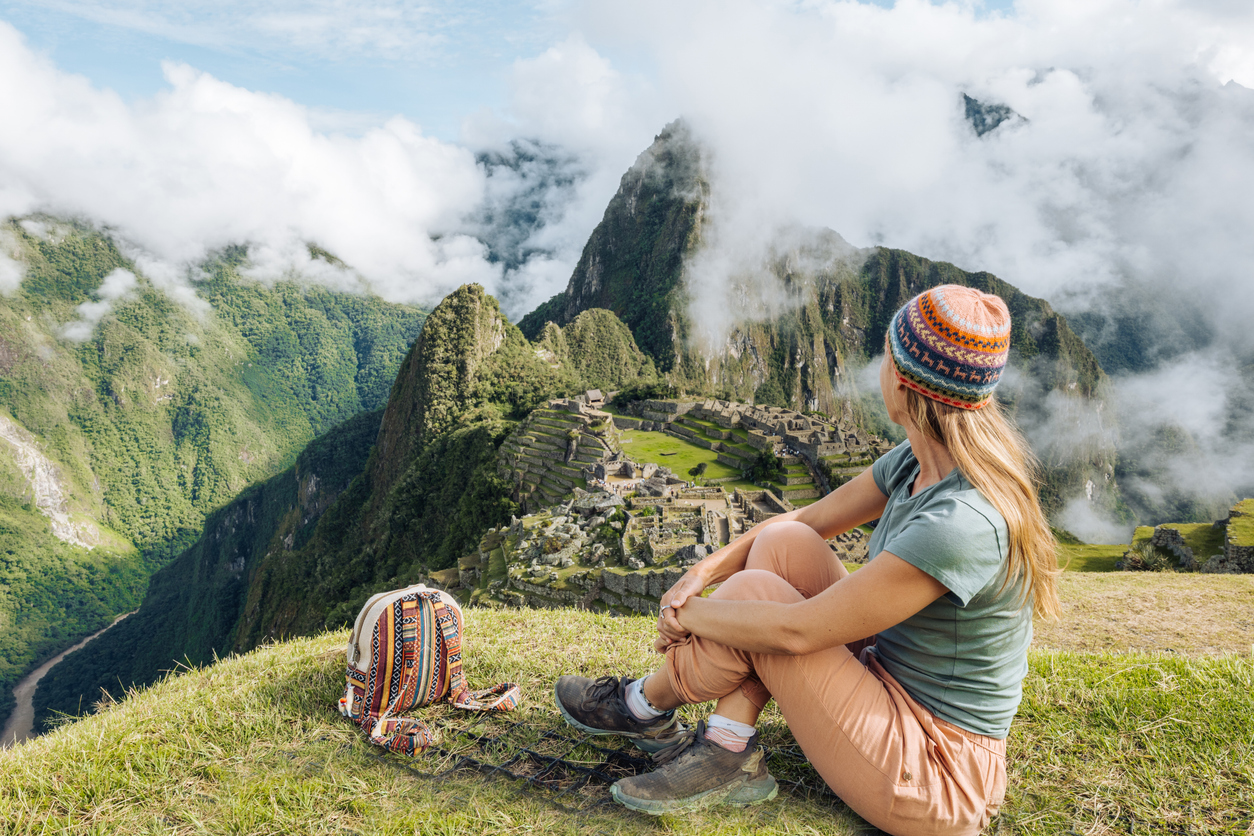
Machu Picchu, a marvel of Incan engineering, captivates travelers worldwide. Its allure lies not only in its history but also in its breathtaking setting.
Understanding Machu Picchu’s weather is crucial for planning a visit. The site’s climate can greatly influence your experience. This guide to Machu Picchu Weather and Best Visiting Times will help you align your itinerary with seasonal conditions and crowd patterns. Before you depart, check machu picchu weather forecasts for the days around your visit to set realistic expectations.
Nestled in the Andes, Machu Picchu boasts a unique subtropical highland climate. This results in distinct wet and dry seasons.
The dry season, from May to September, offers clear skies and ideal conditions for exploration. It’s a favorite among photographers.
Conversely, the wet season, spanning October to April, brings lush landscapes and fewer crowds. December is particularly rainy.
Machu Picchu’s weather in December can be unpredictable. Frequent rain showers and cloud cover are common during this time.
Despite the rain, December offers a unique atmosphere. Mist and clouds create dramatic, moody landscapes perfect for photography.
Average temperatures at Machu Picchu range from 50°F (10°C) to 80°F (27°C) year-round. Nights can be quite chilly.
Early mornings and late afternoons are cooler, with temperatures dropping significantly at night. Layered clothing is advisable.
For adventure photographers, the dry season, especially June and July, provides the best lighting conditions. The golden hour is magical.
Cultural anthropologists will find June’s Inti Raymi festival a rich cultural experience. It offers insights into Incan traditions.
The Inca Trail is most accessible during the dry season. It provides stunning vistas and photographic opportunities.
However, the wet season’s vibrant greenery and solitude appeal to those seeking a more intimate experience. It’s a time for reflection.
Machu Picchu’s microclimate can lead to sudden weather changes. Visitors should be prepared for varying conditions.
Understanding Machu Picchu’s weather patterns enhances the travel experience. It ensures safety and maximizes enjoyment.
Whether you’re capturing images or exploring cultures, Machu Picchu offers endless opportunities. Plan wisely to make the most of your visit.
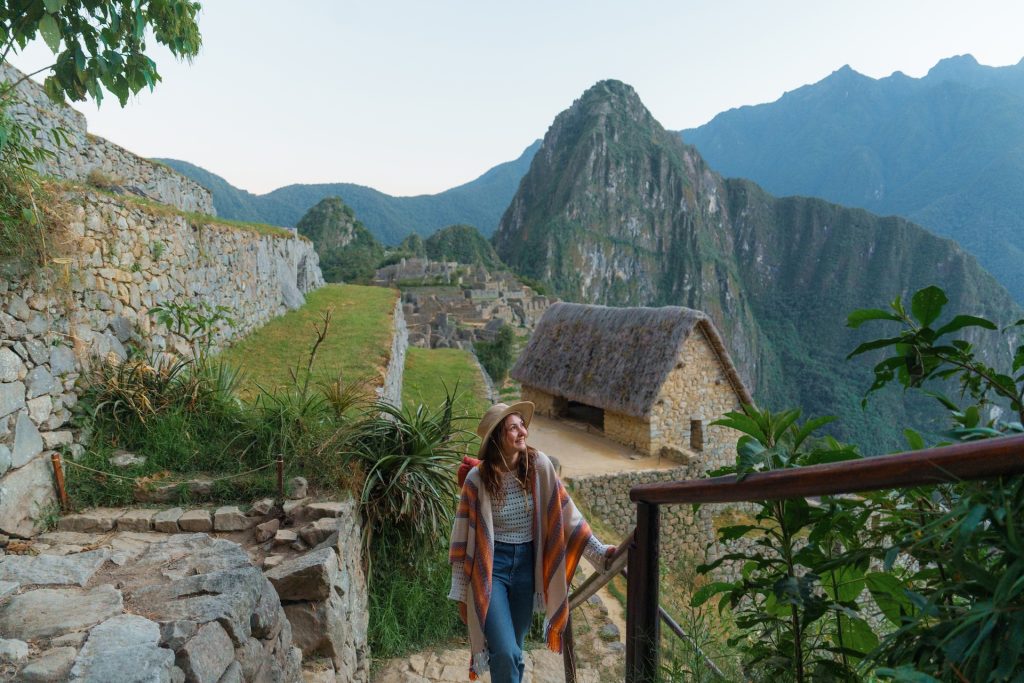
Understanding Machu Picchu’s Unique Climate
Nestled within the Peruvian Andes, Machu Picchu’s weather is defined by its subtropical highland climate. This positioning creates a unique blend of weather patterns that can be quite unpredictable.
The area’s microclimate is heavily influenced by both the Andes Mountains and the nearby Amazon Basin. These geographical features interact to produce distinct weather shifts that travelers should note.
At Machu Picchu, two main seasons prevail: dry and wet. The dry season, from May to September, generally features clear skies and warmer temperatures, ideal for trekking and sightseeing.
The wet season, from October to April, is characterized by heavier rainfall and cooler temperatures. This season cloaks the site in lush greenery, providing a completely different, but equally mesmerizing experience.
Visitors may notice that during the wet months, especially in December, the frequent rains can lead to mist-laden mornings. These mists create a mystical ambiance over the ruins.
It’s essential to recognize that even within these broad seasonal outlines, day-to-day weather can vary. Machu Picchu’s elevation at 7,970 feet (2,430 meters) contributes to this variability.
Temperature variations between day and night are significant. Daytime highs can reach up to 80°F (27°C), but as the sun sets, temperatures can plummet to as low as 50°F (10°C).
For an overview of Machu Picchu’s climate, consider these key points:
- Elevation: Machu Picchu’s 7,970 feet elevation impacts its microclimate.
- Seasonality: Two distinct seasons, dry (May-September) and wet (October-April).
- Daily Temperature Range: Highs at 80°F (27°C), lows at 50°F (10°C).
- Rainfall: Greater in the wet season, especially December.
Understanding these details will help you choose the best time to visit based on your interests. Whether you’re drawn to the dramatic skies of June or the verdant landscapes of December, Machu Picchu offers a setting unlike any other. Being prepared for the climate will enhance your experience and appreciation of this extraordinary location.

Machu Picchu Weather by Month: A Detailed Breakdown
Understanding the weather at Machu Picchu requires a closer look at how conditions change month by month. This detailed breakdown will aid you in planning your visit around the climate patterns.
January, February, and March are the heart of the wet season. Expect frequent rain showers, with lush, vibrant landscapes but less predictable weather conditions.
April signals the transition from wet to dry, showcasing decreasing rain and blooming flora that create picturesque views. May often surprises with stable weather and fewer crowds.
June, July, and August boast clear blue skies and cooler temperatures. These months are part of the peak tourist season, ideal for photography enthusiasts seeking sharp, crisp images.
September acts as a bridge to the wet season, with increasing cloud cover but still plenty of dry days for exploration. It’s a quieter time, perfect for those avoiding crowds.
October begins the renewed wet season, characterized by progressively heavier rains, particularly towards the month’s end. The scenery turns dense and green with the approaching rains.
November usually sees rain showers increase in frequency, yet the landscapes are rich and the weather inviting. It’s a good time for those who find beauty in dramatic cloud formations.
The diverse weather patterns throughout the year at Machu Picchu mean that there’s no single “best” time to visit. Each month offers unique experiences and photographic opportunities to capture the mystical allure of this ancient citadel.
Machu Picchu Weather in December: What to Expect
For machu picchu weather december, expect frequent, unpredictable rain showers. The wet conditions can shape a unique experience, creating moody, mystical atmospheres ideal for photographers.
Typically, December’s rain doesn’t deter the resilient adventurer looking to experience Machu Picchu in a quieter setting. The rain also brings a lush vibrancy to the landscape, enhancing its natural beauty.
Visitors in December should prepare for sudden changes in weather. Bringing waterproof clothing and gear can make the difference between discomfort and an enjoyable excursion.
It’s crucial to note that early mornings and evenings can be quite cool. Temperatures during December range from a warm 73°F (23°C) during the day to a brisk 52°F (11°C) at night.
While cloud cover is common, it often provides dramatic backdrops for photographs. The misty conditions can add depth and mood to your captures.
December is not just about the weather; it’s a time when fewer tourists venture to the citadel. This provides a more personal and immersive experience.
For those sensitive to crowds, December’s tranquility can offer a more intimate glimpse into the magnificence of Machu Picchu.
Expect to embrace nature’s unpredictability, which adds an authentic edge to any visit during this time.
Machu Picchu Weather in January, February, and March
The start of the year in Machu Picchu is wet and lively. January ushers in consistent rainfall, shrouding the landscape in green.
These months typically exhibit increased rainfalls making trails soggy yet beautiful. The flora thrives under these conditions, offering a vibrant spectrum of colors.
February continues the pattern with heavy showers and possible trail closures. Travelers during this period often find quieter paths and a serene experience.
Rain doesn’t come with dramatic storms but steady showers, often with breaks for short explorations. This creates opportunities for witnessing the citadel in unusual solitude.
March offers a glimpse of the approaching dry season. The rain tapers off gradually, allowing for more consistent exploration.
Despite the rain, these months support environments where local flora and fauna thrive, presenting unique ecological encounters for curious travelers.
While the weather presents challenges, it also offers adventurous spirits rich opportunities for documentation. The wet season encapsulates Machu Picchu in a raw and natural state, appealing particularly to those craving authenticity.
Machu Picchu Weather in April, May, and June
April marks a change at Machu Picchu as the wet season recedes. The rains lessen and leave a vibrant, freshly nourished landscape.
As the dry season starts in May, travelers find clearer skies and appealing conditions for exploration. Temperatures rise gently, enhancing the comfort level for outdoor activities.
June is an ideal month, particularly for photographers chasing crisp days and dramatic natural lighting. The weather is generally stable, supporting longer visits to various parts of the site.
These months offer a window into Machu Picchu’s cultural allure, hosting the famous Inti Raymi festival in June, a celebration deeply rooted in tradition.
The period boasts optimum conditions for those interested in taking the Inca Trail. Visitors can traverse without the muddy challenges typical of the wet months.
Clear days in these months reveal the stunning details of the stone structures against vibrant blue skies. This time of year is truly a treasure trove of photographic moments.
Spring-like atmosphere colors the dry season entrance, providing not only visual delight but also a stable, immersive experience for documenting the ancient Inca history.
Machu Picchu Weather in July, August, and September
July brings prime conditions for visiting Machu Picchu, with fully fledged dry season conditions. July and August are popular, drawing crowds eager for crisp images and warm sun.
These months witness less rainfall, clearer skies, and fantastic views of the surrounds. But it’s essential to plan for chilly evenings, characteristic of July and August nights.
While exploring, temperatures swing from a warm daytime 70°F (21°C) to as low as 46°F (8°C) by nightfall. The wide temperature range invites layering and adaptability in clothing.
Photographers delight in these conditions, optimal for capturing the light and shadow play against ancient structures. Clarity is consistent, allowing uninhibited views of the stunning panoramas.
September retains favorable conditions while signaling an impending shift in weather. It’s less crowded, favoring those focused on exploration and cultural experiences.
This period also provides excellent opportunities for deeper connections with local communities, who partake in distinct Andean practices.
For cultural anthropologists, these months offer a lens into traditions unfurling across Peru’s highland cultures. Steady weather conditions assist in fieldwork and observational studies.
Machu Picchu Weather in October and November
October is the herald of the returning wet season in Machu Picchu, with rains becoming more frequent. The environment starts to blossom under lighter, yet consistent showers.
Travelers during October find themselves amidst transitions, both in weather and tourist activity. Clouds emerge, but they present captivating photographic displays under dynamic lighting conditions.
November generally experiences more intense rains and less predictability with weather patterns. This month reintroduces Machu Picchu into lush splendor, featuring vigorous greens and scenic vistas.
Despite increasing rainfall, the atmosphere this time remains intimate. Visitor numbers taper off after the bustling dry months, offering space for contemplation and study.
The oncoming showers don’t deter inquisitive cultural anthropologists. Instead, they can engage with the site’s more nuanced subtleties, including architecture and local myths.
Adventure photographers explore merging scenes as greenery overtakes stone, capturing nature reclaiming its own amidst ancient remnants.
Even as the weather shifts into wetter tendencies, the unique conditions of October and November coax travelers seeking a genuine encounter with Machu Picchu’s awe-inspiring intricacies.

Dry Season vs. Wet Season: Pros and Cons for Visitors
Visiting Machu Picchu in the dry season offers distinct advantages. Between May and September, the clear skies enhance visibility, creating perfect conditions for photography.
The reduced chance of rainfall means that trails, including the famous Inca Trail, are less muddy. This makes hiking and other outdoor activities more accessible and enjoyable.
However, the dry season often attracts more tourists. Increased foot traffic can lead to crowded conditions, which can affect the overall experience of this serene destination.
Conversely, the wet season, spanning from October to April, transforms the landscape into a lush, green paradise. The rains reinvigorate the surroundings, providing a vivid backdrop for those willing to brave the showers.
While the frequent rains during months like December pose challenges for some, they also deter many tourists. This results in fewer crowds and the chance to enjoy a more intimate experience.
Rainy conditions during the wet season can complicate travel and access. They sometimes cause trail closures, and visitors should plan for potential itinerary adjustments.
Here are a few pros and cons to consider for each season:
- Dry Season:
- Pros: Optimal weather, less rainfall, great for outdoor activities.
- Cons: Crowded, higher accommodation prices.
- Wet Season:
- Pros: Lush landscapes, fewer tourists, peaceful atmosphere.
- Cons: Unpredictable weather, potential trail closures.
The choice between dry and wet season visits largely depends on personal preferences. Some travelers prioritize vibrant, crowd-free explorations, while others prefer clear, unobstructed views and reliable travel plans.
Balancing these factors can enrich the Machu Picchu experience. Adventurers might find the wet season invigorating, while cultural researchers may prefer the bustling cultural tapestry of the dry season.
Whether rain or shine, both seasons unveil distinct aspects of Machu Picchu’s beauty, waiting for discovery by the curious and adventurous.

Best Times for Adventure Photographers
For adventure photographers, timing is crucial to capturing Machu Picchu’s majestic allure. The dry season, especially June and July, offers ideal conditions for dramatic shots.
During these months, the skies are typically clear, providing excellent natural lighting. The lack of rain ensures that your equipment remains safe and dry, allowing for longer photography sessions.
Golden hour photography is remarkable during this period. The interplay of light and shadow on the stone structures creates visually compelling images.
Low sun angles at sunrise and sunset cast warm hues. These highlight the intricate details of Machu Picchu’s architecture and the surrounding peaks.
In contrast, the wet season unveils a different photographic charm. Verdant landscapes enriched by rainfall offer lush backgrounds, enhancing the vibrancy of photos.
Although challenging, shooting in December allows capturing unique weather phenomena. Mist and cloud formations lend a mystical atmosphere to the site, inviting creative compositions.
Preparation is key when planning a photography trip to Machu Picchu. Here are some tips for adventure photographers:
- Plan for Golden Hours: Aim for early morning or late afternoon for the best lighting conditions.
- Use Weather to Your Advantage: Embrace the mist and clouds for dramatic images.
- Stay Flexible: Weather conditions can change quickly, so be ready to adapt your plans.
Venturing beyond Machu Picchu to its nearby regions offers even more opportunities. The Sacred Valley, with its stunning vistas, can complement your Machu Picchu portfolio.
Local communities and lesser-known ruins around Machu Picchu provide additional subject matter. These areas offer a chance to document authentic Andean life and culture through your lens.
Whether in bright sunlight or enveloped by lush mist, each season presents its distinct palette. As you capture these moments, consider how the climate paints diverse stories in each frame you shoot.
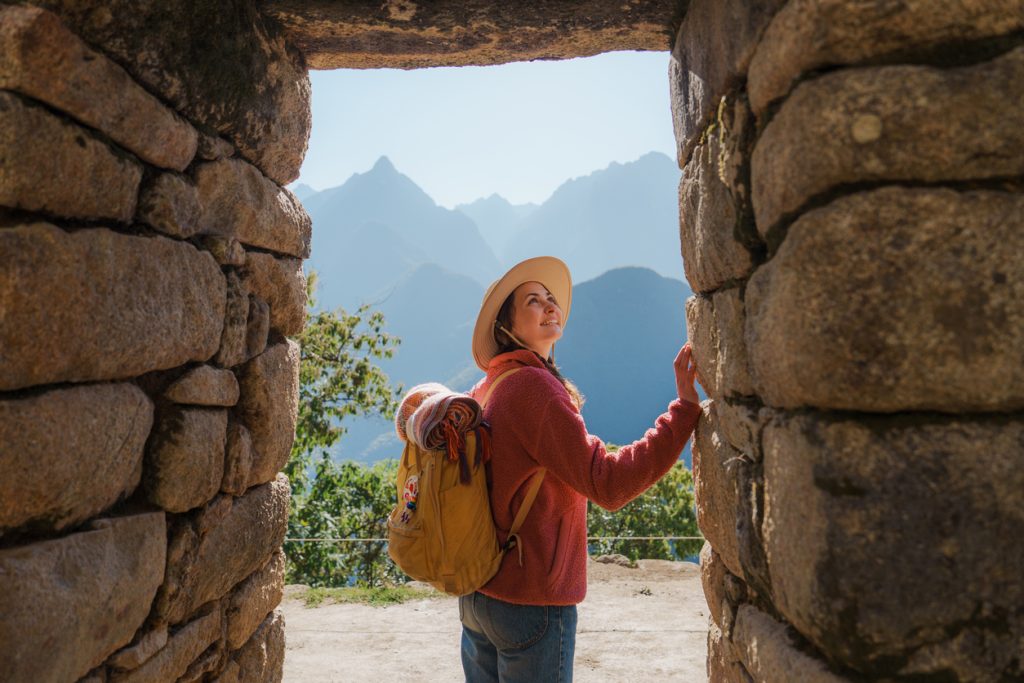
Best Times for Cultural Anthropologists
For cultural anthropologists, visiting Machu Picchu is more than just an opportunity to explore ruins. It’s a chance to delve into the heart of Andean traditions and history. Timing your visit is crucial to experiencing authentic cultural practices.
One ideal time is during June, when Inti Raymi, the Festival of the Sun, takes place. This vibrant event in Cusco showcases ancient ceremonies that honor the Incan Sun God, providing rich material for study.
During this festival, traditional music, dance, and rituals come to life. This immersive experience offers insights into indigenous beliefs and practices that have persisted through centuries.
Visiting in the dry season, from May to September, offers stable weather conditions. This facilitates travel to remote communities where lesser-known local customs can be observed.
In these months, you can explore daily life in nearby villages. Documenting agricultural practices and community gatherings reveals sustainable traditions that connect the past with the present.
The wet season, particularly December, offers a different perspective. Fewer tourists mean more intimate interactions with locals, enhancing your cultural understanding.
Flexibility is key as travel plans might shift due to weather. However, this season’s lush environment enriches cultural landscapes, creating a picturesque backdrop for anthropological work.
When planning your visit, consider these tips for cultural engagement:
- Engage with Festivals: Plan around local events to witness traditional rituals.
- Explore Surrounding Villages: Spend time in nearby communities to observe daily life and practices.
- Respect Local Customs: Approach interactions with sensitivity and curiosity to gain genuine insights.
By timing your visit for these cultural experiences, you can enrich your research. Machu Picchu offers more than just historical ruins; it is a living cultural site. Through careful observation and engagement, you’ll uncover the profound connections between the past and present. These insights contribute greatly to anthropological studies and understanding of Andean culture.
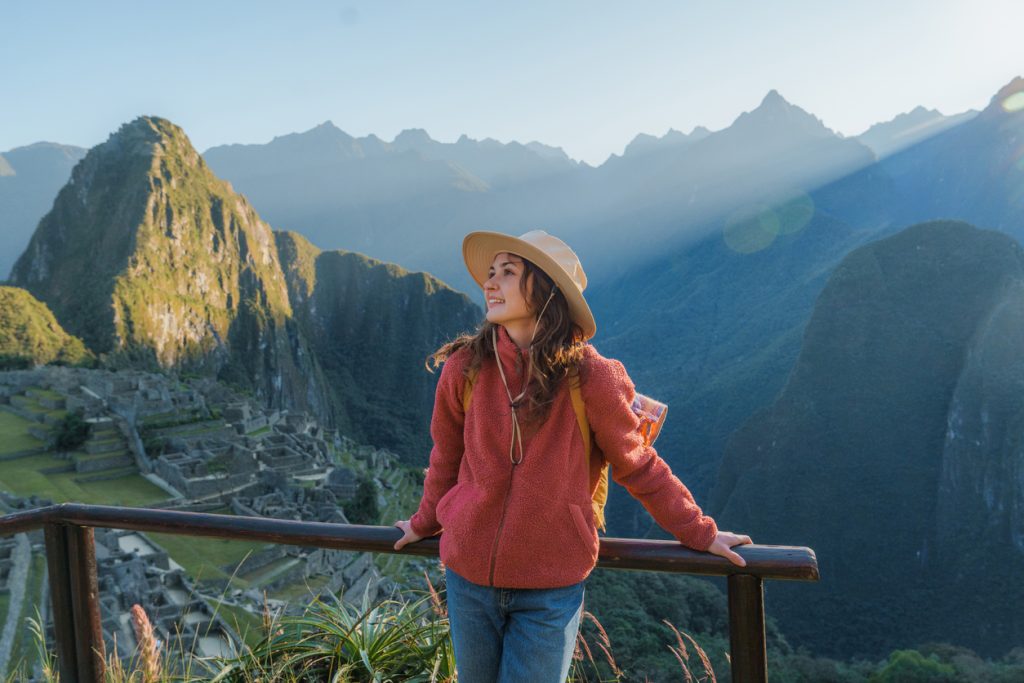
Machu Picchu Temperature: Day and Night Variations
If you’re wondering about machu picchu temperature, it varies significantly between day and night. This range poses both challenges and opportunities for visitors.
Daytime temperatures usually hover between 60°F to 80°F (16°C to 27°C). This range is ideal for exploring the site comfortably without the harsh sun.
As the day progresses, temperatures can climb. It is crucial to stay hydrated and seek shade during the midday heat.
Night brings cooler air, with temperatures dipping to around 50°F (10°C). Dressing in layers is wise to stay comfortable after sunset.
These variations highlight the importance of packing strategically. Lightweight, breathable clothes for day, and warmer options for evening, ensure comfort throughout your visit.
Here’s a quick checklist to prepare for day-to-night temperature shifts:
- Layered Clothing: Adapt to fluctuating temperatures easily by removing or adding layers.
- Sun Protection: Use hats, sunglasses, and sunscreen during peak sun exposure.
- Warm Gear: Pack a jacket or sweater for cooler nights, ensuring warmth without bulk.
Understanding these daily shifts enhances your experience at Machu Picchu. By preparing for the day’s heat and night’s chill, you can focus on exploring this majestic site. As temperatures play a pivotal role in visitor comfort, being well-prepared ensures an enjoyable adventure.

How Weather Impacts the Machu Picchu Experience
The weather at Machu Picchu can greatly influence your visit. It affects visibility, comfort, and safety, shaping the overall experience.
During the dry season, clear skies enhance the splendor of the ruins. Ideal visibility boosts photography, allowing adventurers to capture striking images with perfect light.
Rainy season visitors face a different set of conditions. Rain can obscure views, but offers lush greenery and fewer crowds. This solitude appeals to those seeking a quieter experience.
Weather can impact access to trails and sites. Muddy paths may pose challenges or close entirely during heavy rains. Flexibility is essential.
Microclimatic conditions can lead to sudden changes. While weather forecasts provide guidance, it’s wise to be prepared for fluctuations.
Here’s how different weather aspects can shape your visit:
- Visibility: Clear skies offer breathtaking views, while fog adds mystique.
- Trails: Rain affects trail conditions, necessitating caution and sometimes closures.
- Crowds: Rainy days see fewer visitors, offering tranquility amid lush surroundings.
- Photography: Lighting conditions vary greatly, presenting both challenges and unique opportunities.
Ultimately, understanding and preparing for the impacts of weather at Machu Picchu enhances your ability to adapt. Being ready for whatever nature brings ensures a memorable journey.

Packing and Preparation: What to Bring for Every Season
Preparing for a trip to Machu Picchu involves thorough planning. The variable climate demands a diverse packing strategy for comfort and safety.
In the dry season, clear skies and daytime warmth dominate. However, mornings and evenings can be chilly. Layering is the key to managing these temperature swings effectively.
Rainy season conditions require additional considerations. Waterproof gear like rain jackets and ponchos protect against sudden showers. Water-resistant footwear is crucial for navigating wet and muddy trails.
Here’s a basic list for both seasons:
- Dry Season Essentials:
- Lightweight, breathable clothing
- Layers for cooler mornings and evenings
- A hat and sunglasses for sun protection
- Comfortable hiking shoes
- Rainy Season Must-Haves:
- Waterproof clothing and poncho
- Sturdy, water-resistant boots
- Quick-dry towels and clothes
- A backpack cover to protect belongings
Regardless of the season, certain items remain constant. Sunscreen is crucial due to strong sun exposure at high altitudes. A refillable water bottle helps stay hydrated during hikes.
Finally, a basic first aid kit is invaluable. Include altitude sickness medication, as Machu Picchu’s elevation can cause discomfort for some visitors. These preparations ensure a safe and enjoyable adventure, ready for whatever weather conditions arise.

Sustainable Travel and Responsible Tourism at Machu Picchu
Travelers to Machu Picchu bear the responsibility of preserving its cultural and natural heritage. Practicing sustainable tourism is essential to maintain this ancient site.
Machu Picchu’s popularity can lead to environmental stress. Overcrowding affects both the infrastructure and the surrounding ecosystem. Visitors are urged to respect the site’s regulations to minimize impact.
Understanding and respecting local customs foster meaningful interactions. Engaging with the community through local guides enriches the visitor experience and supports the local economy.
Implementing eco-friendly practices during your visit is straightforward. Opt for reusable water bottles and bags to reduce waste. Avoiding littering and disposing of trash properly is vital.
Here’s a list of sustainable practices to consider:
- Choose eco-friendly accommodations: Support lodgings that implement green practices.
- Travel off-peak: Visiting during shoulder seasons helps reduce congestion.
- Use public transportation: Minimize your carbon footprint by using shared transit options.
- Participate in local workshops: Engaging with community artisans preserves traditional crafts and cultures.
These steps aid in the preservation of Machu Picchu’s integrity for future generations. Visitors should be mindful of their environmental impact. This conscious approach ensures the continued beauty and cultural significance of Machu Picchu remains intact.
Responsible tourism fosters a deeper appreciation for the site and its history. By taking these practices to heart, travelers contribute positively to one of the world’s most iconic destinations.
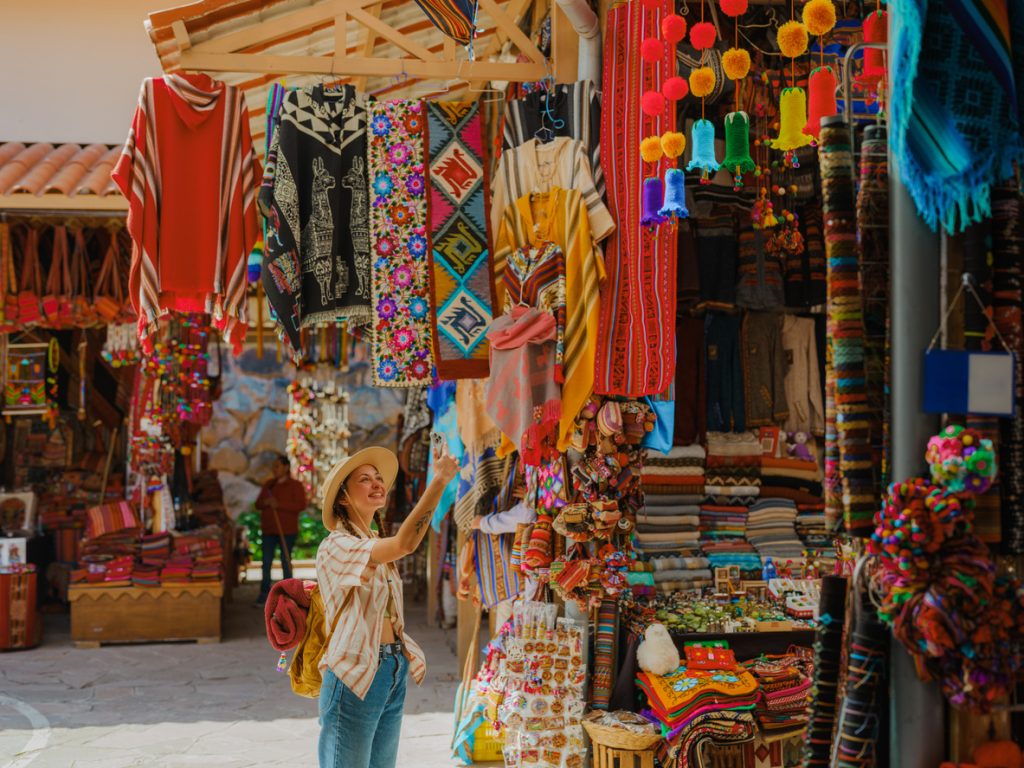
Exploring Beyond Machu Picchu: Weather and Culture in the Sacred Valley
The Sacred Valley is a gateway to diverse cultural experiences beyond the iconic Machu Picchu. This region, cradled between the Andes, offers a mix of natural beauty and rich traditions.
Weather patterns in the Sacred Valley mirror those of Machu Picchu. However, due to varied elevations, microclimates can surprise visitors. It’s crucial to be prepared for swift changes in weather.
Travelers can explore the valley’s enchanting towns like Pisac and Ollantaytambo. These areas are steeped in history and offer insight into the ancient Incan civilization. Each town showcases unique architectures and artisanal crafts.
Local festivals and markets bring the vibrant culture of the Andes to life. Witness traditional dances and taste local cuisines. Such experiences enrich travelers’ understanding of the Indigenous heritage.
Outdoor enthusiasts will find the Sacred Valley a paradise for hiking and photography. Panoramic views await those who trek its many trails. The landscape ranges from lush terraces to rugged mountain paths.
Here’s how you can further enjoy the Sacred Valley:
- Visit local markets: Discover authentic Andean crafts and textiles.
- Attend cultural festivals: Experience community celebrations and traditional music.
- Explore Incan ruins: Walk through the historic sites like Moray and Maras.
- Participate in local workshops: Learn Andean weaving or farming techniques.
Understanding the cultural and environmental significance of these lands enhances the journey. The Sacred Valley, with its harmonious blend of history and beauty, invites exploration and offers a deeper connection to Peru’s heart and soul. As you discover its treasures, respectful interaction with locals enriches this unforgettable travel experience.

Frequently Asked Questions About Machu Picchu Weather and Visiting Times
Planning a trip to Machu Picchu raises many questions for potential visitors. Understanding the weather and best visiting times helps ensure a smooth journey.
What is the best season to visit Machu Picchu?
The dry season, from May to September, offers the clearest weather. It’s ideal for photography and outdoor activities with fewer rainy days.
Is visiting during the wet season a good idea?
While the wet season brings rain, it also means fewer crowds. The landscape is lush and vibrant, offering unique photographic opportunities.
How does the weather affect access to the site?
Heavy rains can sometimes impact the accessibility of certain trails. It’s important to check local forecasts and trail conditions before planning activities.
What should I pack for my trip?
Regardless of the season, layering is key. Waterproof gear is crucial during the wet season, while the dry season calls for sun protection.
How do weather patterns influence photography?
In the wet season, dramatic clouds and mists enhance images. The dry season provides clear skies for sunrise or sunset shots.
Here’s a quick list of common inquiries:
- Best months for avoiding rain?
- What to wear for different seasons?
- Tips for dealing with altitude changes?
These questions often lead to fascinating discoveries about Machu Picchu’s climate. Proper planning aligned with personal interests maximizes the enjoyment of this iconic destination. With its unpredictable weather, Machu Picchu ensures no two visits are ever the same.
Final Tips for Planning Your Visit
When preparing for a trip to Machu Picchu, timing and flexibility are crucial. Weather unpredictability might necessitate changes, so it’s wise to be adaptable.
A package takes some of that risk off you. On our 5 day Machu Picchu tour package the entry ticket and the train are booked with your place. The guide handles any change on the day.
Start by researching extensively on current weather trends. Understanding Machu Picchu temperature fluctuations ensures you’re ready for the site’s varied climate. Always pack layers for comfort.
Booking tickets well in advance is advisable, especially during peak seasons. Machu Picchu’s popularity means slots fill up quickly, and planning early avoids disappointment.
Consider your interests when choosing when to visit. For photographers, the dry season enhances clarity and light. Cultural anthropologists may prefer visiting during vibrant local festivals.
Health and safety are paramount. Acclimatization to altitude can prevent discomfort, so allocate time to adjust, particularly before challenging hikes.
Here’s a quick checklist for a successful trip:
- Confirm tickets and accommodations ahead.
- Monitor weather updates leading up to your visit.
- Pack essentials suitable for changing conditions.
- Learn about local customs and practices.
Ensuring all aspects of your trip are thought out allows for a more enriching experience. Machu Picchu offers so much to explore beyond its breathtaking views. Respect for its heritage and environment makes your visit more fulfilling.
Q&A
When is the best time to visit Machu Picchu?
There’s no single “best” time—it depends on your priorities. The dry season (May–September) has clear skies and the most reliable conditions for trekking and photography, but it’s busier and often pricier. The wet season (October–April) brings lush scenery, moody mists, and fewer crowds, though rain is frequent—especially in December—and some trails may close.
What should I expect if I visit in December?
December is very rainy and unpredictable, with frequent showers and cloud cover that create dramatic, misty views. Expect daytime temperatures around 73°F (23°C) and cooler nights near 52°F (11°C). Crowds are lighter, making the experience more intimate. Pack waterproof clothing, protect your gear, and dress in layers for cool mornings and evenings.
How much do temperatures vary between day and night, and how should I pack?
Daytime highs typically range from 60–80°F (16–27°C), while nights can drop to about 50°F (10°C)—and even lower (around 46°F/8°C) in July and August. Plan to layer: lightweight, breathable clothes for daytime, a warm layer for evenings, sun protection (hat, sunglasses, sunscreen), sturdy footwear, and in the wet season, waterproof outerwear and water-resistant boots. A refillable water bottle and a basic first-aid kit (including altitude meds) are recommended year-round.
How does the weather affect trail access and daily plans?
Weather can change quickly due to Machu Picchu’s microclimate. In the dry season, trails (including the Inca Trail) are generally more accessible and less muddy. In the wet season—especially January to March—rain can make paths slick and sometimes lead to trail closures, so build flexibility into your itinerary and check local forecasts and conditions before setting out.
What are the best times for photographers and cultural anthropologists?
Adventure photographers get crisp light and clear skies in June and July, with magical golden hours; the wet season offers equally compelling mist and cloud drama for creative shots. Cultural anthropologists should consider June for Inti Raymi in Cusco and use the dry season’s stable weather to reach communities; the wet season’s lighter crowds can enable more intimate local interactions.