
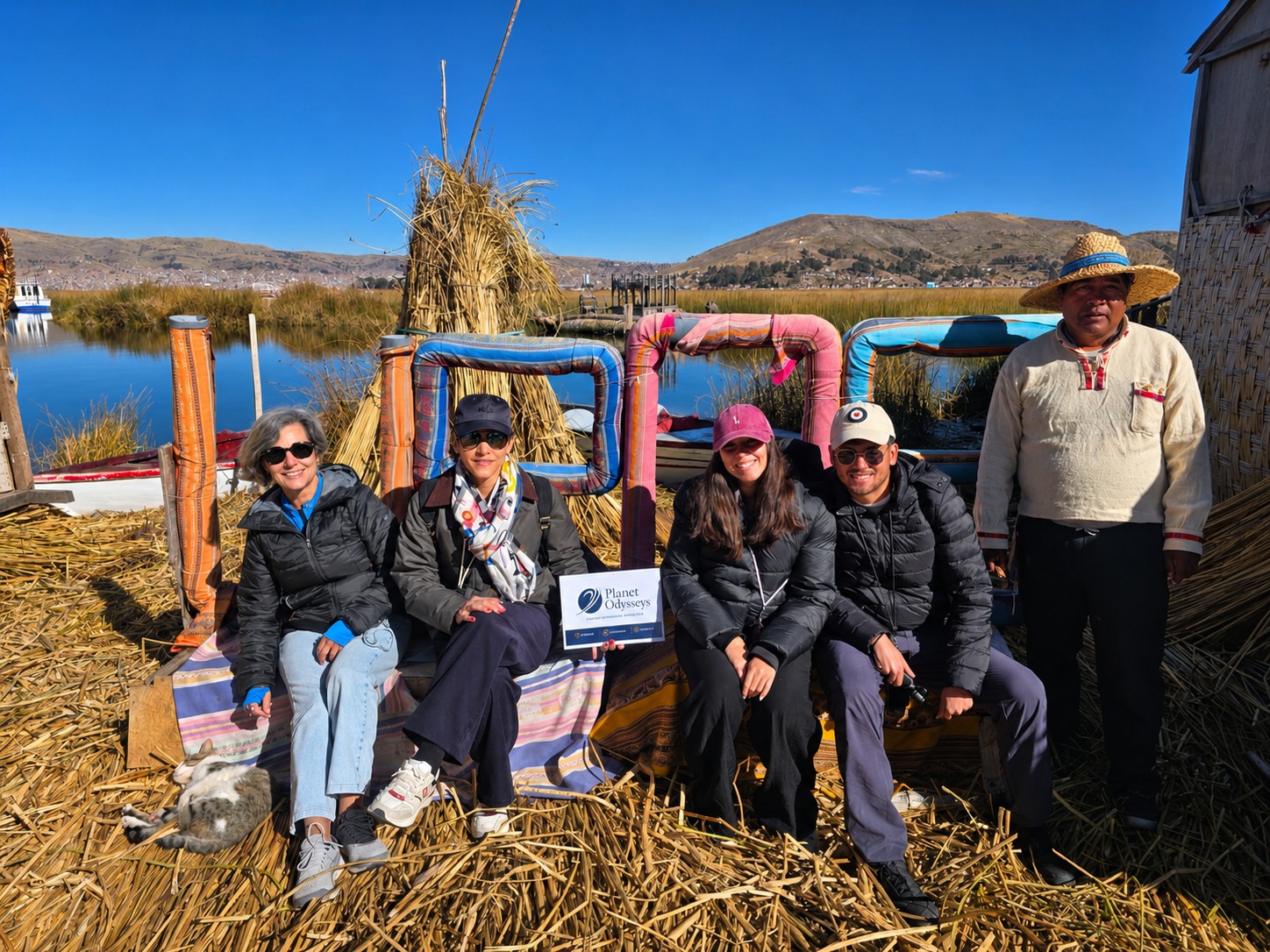
Lake Titicaca, a shimmering jewel in the Andes, beckons travellers with its allure. Straddling the border of Peru and Bolivia, it is the highest navigable lake in the world. Its vast waters and rich cultural tapestry make it a destination worth exploring.
Adventure photographers will find Lake Titicaca a paradise of visual wonders. The lake’s clear waters reflect the sky, creating stunning photographic opportunities. Traditional reed boats and vibrant festivals add to the visual feast.
Cultural anthropologists will discover a treasure trove of traditions and stories. The Uros Floating Islands, made from totora reeds, offer insights into ancient ways of life. Taquile and Amantani Islands reveal unique textile arts and community customs.
Lake Titicaca is more than a scenic wonder; it is a place of deep spiritual significance. Andean mythology weaves through its history, adding layers of meaning to every visit. The lake’s serene environment invites reflection and connection.
Sustainable tourism is vital here, preserving the fragile ecosystem and supporting local communities. Visitors are encouraged to engage responsibly, respecting local customs and traditions. Homestays and community-based tourism offer authentic experiences and direct support to residents.
Whether seeking adventure, cultural insights, or peaceful retreat, Lake Titicaca offers something for everyone. Its unique blend of natural beauty and cultural richness makes it a must-visit destination. Prepare to be captivated by the magic of Lake Titicaca. This Lake Titicaca travel guide tackles the common question, Lake Titicaca travel: is it worth visiting and what to know before you go, so you can plan with confidence.

Where Is Lake Titicaca? Geography, Access, and First Impressions
Nestled at 3,812 metres (12,507 feet) above sea level, Lake Titicaca is the highest navigable lake in the world. It spreads across the lofty plains of the Andes, straddling the borders of Peru and Bolivia. This immense body of water offers stunning vistas and a unique high-altitude environment.
The Peruvian city of Puno serves as the primary gateway to Lake Titicaca. Puno is a lively city, rich in culture and history. It has diverse accommodations ranging from luxury hotels to budget stays. From Puno, visitors embark on boat journeys to the lake’s numerous islands, each offering its own charm and insights.
Arriving at Lake Titicaca often leaves a lasting first impression. The panoramic views of the Andean mountains surrounding the vast blue expanse are breathtaking. The lake’s stillness and clarity create a serene ambiance, inviting contemplation and wonder.
For those planning their visit, here are some highlights of the lake’s location:
- Accessibility: Easily reached by air, bus, or train via Puno.
- Geography: A blend of sprawling lake waters and majestic Andean peaks.
- Cultural Importance: A place of historical and mythical significance.
Travellers should allow time to acclimatize to the high altitude, a vital consideration when visiting this enchanting lake. The unique blend of natural beauty and cultural heritage makes Lake Titicaca a special destination for exploration and discovery.
The History and Mythology of Lake Titicaca
Lake Titicaca is steeped in history and mythology. As a significant site for ancient civilizations, it holds profound spiritual and cultural importance. In the eyes of the Inca, the lake was sacred, the birthplace of the sun god Inti. This celestial belief underscored the lake’s significance in Andean cosmology.
Archaeological findings around Lake Titicaca reveal the presence of pre-Inca civilizations. The Tiahuanaco civilization, which thrived long before the Inca, considered the lake a pivotal cultural hub. Their ruins near the lake offer intriguing insights into past societies that shaped the region’s heritage.
In Andean mythology, Lake Titicaca is associated with creation legends. It is believed that the world was born here. Manco Cápac and Mama Ocllo, mythical founders of the Inca Empire, are said to have emerged from its depths. This profound narrative continues to resonate with local communities.
Visitors exploring the region will encounter various myths and stories. These tales blend elements of indigenous beliefs and introduce layers of enchanting lore. Such stories enrich the experience of travelling through Lake Titicaca’s surroundings.
Highlighting key historical and mythological aspects:
- Inca Connections: The lake as the starting point for the Inca dynasty.
- Archaeological Sites: Evidence of Tiahuanaco and other ancient cultures.
- Creation Myths: The emergence of divine figures from the lake.
Lake Titicaca’s mysterious allure captivates both those seeking knowledge and those in pursuit of deeper spiritual connections. Understanding its historical and mythical layers adds dimension to its already stunning landscape. It’s a destination where past and present intertwine, inviting exploration and reflection.

Why Visit Lake Titicaca? Is It Worth It?
Lake Titicaca is a treasure trove of natural beauty and cultural richness. Its stunning landscapes and high-altitude serenity offer a perfect escape. Nestled between Peru and Bolivia, the lake provides a unique vantage point on the Andean landscape.
The practical answer is on our Lake Titicaca tours page. All eight trips sit there with prices, from half a day to three days.
The allure of Lake Titicaca transcends its picturesque views. It is deeply intertwined with local culture and traditions that have been preserved through generations. Visitors have the opportunity to engage with communities that still practice age-old customs.
Exploring Lake Titicaca’s islands offers an adventure like no other. Each island has its unique character and story, contributing to an immersive travel experience. From the floating Uros Islands to the vibrant culture of Taquile, diversity abounds.
Photographers will find a paradise in Lake Titicaca’s vistas. Capture breathtaking images of the interplay between light and water. The lake’s sunsets and sunrises paint the sky with colors that linger in memory.
Key reasons Lake Titicaca is worth visiting include:
- Cultural Immersion: Engage with traditional communities and experience local lifestyles.
- Spectacular Scenery: Breathtaking views and diverse landscapes await exploration.
- Spiritual Significance: Discover the sacred stories and spiritual heritage.
The charm of Lake Titicaca extends to its serenity and sense of timelessness. Travellers seeking peace and reflection will discover an ideal retreat. It’s a destination that speaks to explorers’ hearts, offering profound connections to nature and culture. Thus, making the journey to visit Lake Titicaca is well worth any travel itinerary.
Lake Titicaca Activities: What to Do and See
Lake Titicaca teems with a variety of activities awaiting exploration. Each experience offers a glimpse into the lake’s enchanting tapestry of nature and culture. Whether you seek adventure or relaxation, there’s something for every traveller.
Island hopping is one of the top activities around Lake Titicaca. The islands are diverse, each bearing unique traditions and landscapes. Visiting these islands provides opportunities to dive deeply into local culture.
Exploring the floating Uros Islands is a must. Constructed from totora reeds, these man-made marvels house communities with deep roots in ancient practices. Walking on these floating platforms is a uniquely thrilling experience.
Taquile Island is a tapestry of traditional textiles and practices. Its skilled weavers produce renowned handmade garments. Engage with the community by observing their weaving techniques, and purchase authentic textiles as keepsakes.
For a deeper connection, consider a homestay on Amantani Island. This immersive experience offers insights into daily life and customs. Share meals with host families and participate in local activities.
Nature enthusiasts will find solace in the lake’s panoramic landscapes. Opportunities for hiking and kayaking abound, offering ways to embrace its natural beauty. These activities also allow visitors to explore the lake’s wildlife.
Adventure photographers can capture stunning images on these trails and waters. Vibrant wildlife and diverse vistas provide endless photographic opportunities. The dramatic Andes backdrop enhances these views, creating lasting memories.
Here is a quick checklist of must-do Lake Titicaca activities:
- Visit Uros, Taquile, and Amantani Islands: Engage with local cultures and traditions.
- Attend a cultural workshop: Learn weaving and crafting techniques from island experts.
- Go hiking or kayaking: Enjoy Lake Titicaca’s stunning natural environment.
In experiencing these activities, travellers not only connect with the surroundings but also help preserve the lake’s cultural and ecological heritage. Through responsible engagement, visitors can enjoy Lake Titicaca’s full spectrum of experiences.
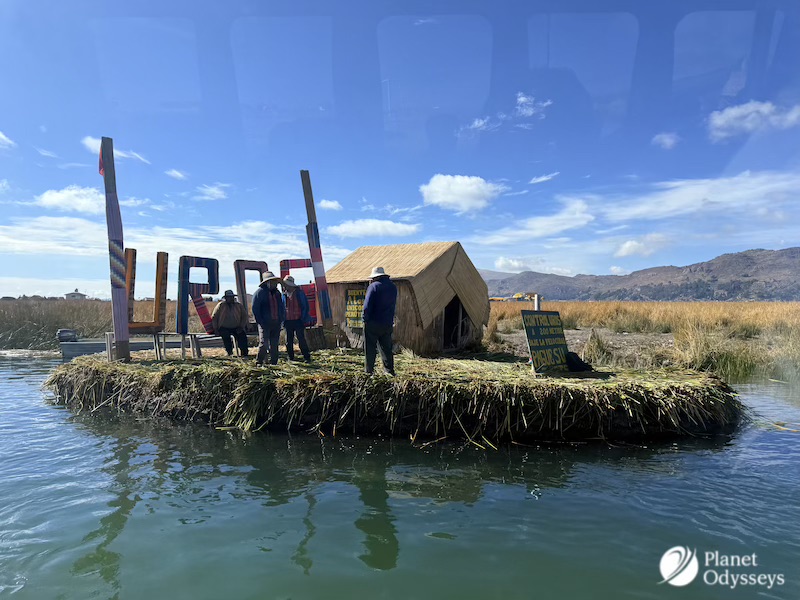
Island Hopping: Uros, Taquile, Amantani, and Beyond
Island hopping is a signature experience on Lake Titicaca. Each island tells a different story, reflecting centuries of unique traditions. Journeying from island to island unveils the lake’s cultural and natural diversity.
The Uros Islands are a remarkable feat of human ingenuity. These floating islands are built entirely from totora reeds. Walking here transports you to a world skillfully crafted by hand.
Taquile Island offers a glimpse into vibrant textile artistry. The islanders’ weaving skills are recognized by UNESCO for their cultural significance. Witnessing these artisans at work is a real highlight.
Amantani Island is perfect for deeper community immersion. Known for its warm hospitality, it provides a chance to live alongside locals. Participate in daily activities and discover age-old customs firsthand.
Another less-frequented gem is Suasi Island. It’s private and serene, offering luxurious tranquility. Here, visitors can indulge in eco-friendly comforts surrounded by pristine nature.
Here’s a quick guide to popular islands:
- Uros Islands: Famous for floating structures.
- Taquile Island: Renowned for world-class weaving.
- Amantani Island: Known for warm communal stays.
- Suasi Island: Offers secluded eco-luxury.
Each island stop enhances understanding of the lake’s cultural and ecological significance. By visiting these communities, you support their preservation efforts and deepen your travel experience.
Homestays and Community-Based Tourism
Homestays on Lake Titicaca’s islands provide authentic cultural immersion. Staying with a local family offers unparalleled insights into their lifestyle. It’s a rare chance to partake in daily life and form genuine connections.
Amantani Island is especially renowned for homestays. Hosts welcome visitors with open arms, sharing meals and stories. This interaction fosters mutual understanding and respect between guests and locals.
Such stays contribute directly to local economies. By choosing community-based tourism, you empower islanders. Your participation supports education and infrastructure, creating lasting benefits.
While lodging is simple, it’s comfortable and homey. Prepare for basic amenities and rustic charm. This simplicity underscores the authenticity of the experience.
Consider engaging in daily tasks or cultural activities. Participate in cooking, farming, or craft-making with your hosts. These hands-on experiences lend deeper appreciation for their ways of life.
During a homestay, consider these activities:
- Assist in daily chores: Learn traditional skills.
- Share meals: Savor local flavors and conversations.
- Join community events: Participate in festivals and gatherings.
Through such experiences, visitors gain knowledge beyond typical tourism. By engaging respectfully, you contribute to the cultural and ecological resilience of Lake Titicaca.
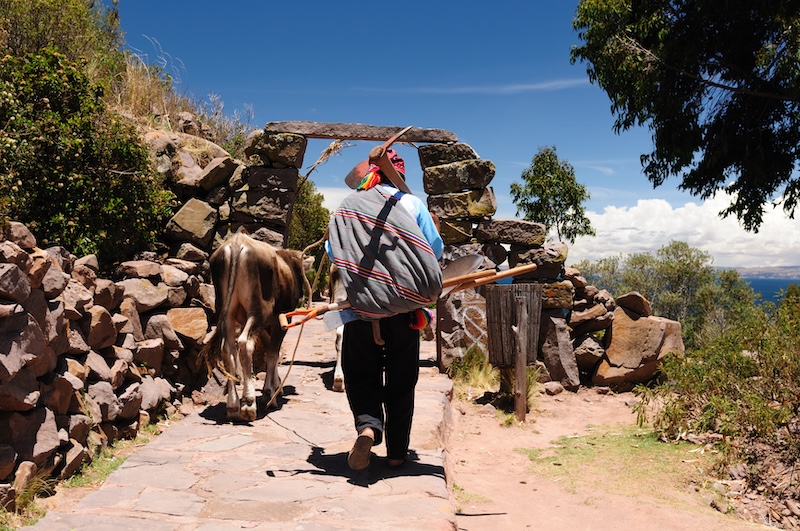
Adventure and Nature: Hiking, Kayaking, and Wildlife
Lake Titicaca offers a bounty of outdoor pursuits. Its landscapes provide a stunning backdrop for many adventures. Whether on land or water, there’s much to explore and cherish.
Hiking trails on the islands offer diverse terrain and spectacular views. Paths weave through terraced hills and past traditional dwellings. The hikes vary from gentle strolls to more challenging treks.
Kayaking on the lake reveals a different perspective. Glide over crystal-clear waters and observe diverse marine life. It’s a peaceful yet invigorating way to engage with Titicaca’s environment.
Wildlife enthusiasts will find a haven here. The lake supports unique species of birds and fish. Guided nature tours offer chances to spot these creatures in their natural habitat.
Adventuring through Lake Titicaca creates unique photo opportunities. Capture dynamic shots of the landscape’s interplay with light and shadow. Each view holds its own magical allure.
Here’s what to pack for your adventure:
- Sturdy hiking boots: Essential for exploring rugged trails.
- Binoculars: Perfect for spotting wildlife from a distance.
- Camera: Capture the breathtaking vistas.
Embarking on these adventures allows connection with Lake Titicaca’s pristine beauty. Embrace the spirit of discovery and immerse yourself in nature’s wonders.
Festivals, Rituals, and Local Traditions
The Lake Titicaca region pulsates with vibrant cultural expressions. Throughout the year, festivals and rituals inject life into every corner. These events illuminate the region’s diverse heritage and spiritual depth.
One of the most renowned is the Candelaria Festival in Puno. This lively event in February celebrates the city’s patron saint. It features folk dances, music, and colorful costumes, showcasing the city’s soul.
Another significant tradition is the Diablada, or Dance of the Devils. This dramatic performance combines folklore with indigenous beliefs. Its vivid storytelling captivates all who attend.
Throughout the islands, celebrations commemorate ancient customs. Participating in or observing these rituals provides rich insight into local identities. They convey stories and values passed down through time.
Engaging with these vibrant traditions allows a profound travel experience. Respectful observation and participation enhance understanding and appreciation of local cultures.
Key festivals and events not to miss:
- Candelaria Festival: Puno’s vibrant cultural celebration.
- Diablada: A powerful fusion of folklore and tradition.
- Island-specific ceremonies: Unique events showcasing heritage.
Experiencing these traditions enriches visits to Lake Titicaca. By respecting cultural practices, travellers support the preservation of these invaluable traditions.

Lake Titicaca for Photographers: Capturing the Magic
Lake Titicaca is a photographer’s wonderland. Its unique landscapes offer a stunning array of visual opportunities. With a vast expanse of clear waters and dramatic mountains, every angle tells a story.
The morning light enhances the lake’s serene beauty. Early hours capture soft hues reflecting off still waters. This gentle glow creates a tranquil backdrop, perfect for serene photography.
Evening sunsets are nothing short of spectacular. As the sky blazes with colors, the lake mirrors the vibrancy. Capture these dramatic scenes to illustrate nature’s daily performance.
Beyond landscapes, focus on cultural elements. Document traditional reed boats gliding over the water’s surface. Capture the essence of local festivals and the intricacies of vibrant textiles.
For wildlife shots, patience is key. The lake houses unique birds and diverse aquatic species. Waiting for the perfect moment provides rich rewards in rare captures.
Here’s a photography checklist for visiting Lake Titicaca:
- Golden hour shots: Capture the lake under dramatic lighting.
- Wildlife lenses: Perfect for photographing birdlife and aquatic species.
- Wide-angle: Encompass the vast beauty of landscapes.
In Lake Titicaca, every photograph frames a narrative. Its serene beauty, cultural richness, and magical light invite photographers to explore and create. By capturing these moments, you contribute to preserving the lake’s enchanting legacy.
Lake Titicaca for Cultural Anthropologists: Insights and Opportunities
Lake Titicaca offers rich opportunities for cultural anthropologists. Its diverse communities provide insights into Andean traditions. The region is a living testament to syncretism between Catholic and indigenous beliefs.
Uros Floating Islands are a unique cultural landscape. The Uros people maintain traditions dating back centuries. Their reed-crafted homes and lifestyle offer fascinating study material.
Taquile Island is another cultural treasure. Its residents are renowned for intricate weaving techniques. Textile art here reflects social structures and heritage narratives.
Local festivals add another layer of cultural complexity. Events like the Candelaria Festival showcase music, dance, and shared faiths. Witnessing these celebrations can enhance understanding of local social dynamics.
Exploring the diverse languages of the region is equally enlightening. Quechua and Aymara are both widely spoken, reflecting rich cultural tapestries.
To make the most of the visit, here’s a quick checklist:
- Attend local festivals: Observe traditional rituals and practices.
- Engage with homestays: Immerse in day-to-day life of indigenous communities.
- Study textile craft: Dive into their symbolic and cultural meanings.
Through immersive experiences, cultural anthropologists can uncover layers of socio-cultural interactions. Lake Titicaca stands as a profound repository of Andean civilization, offering deep insights into evolving cultural identities.

Sustainable Tourism at Lake Titicaca: How to Visit Responsibly
Visiting Lake Titicaca can be a rewarding experience. However, it’s crucial to approach the visit with sustainability in mind. This region’s fragile ecosystem and vibrant cultures require respect and mindfulness.
Local communities rely on the lake for their livelihood. Visitors can positively impact by choosing community-based tourism options. Supporting local economies aids in cultural preservation and environmental protection.
Travellers should be aware of their environmental footprint. Simple actions like reducing plastic use and conserving water are important. Participating in eco-friendly tours enhances the natural beauty without causing harm.
Engagement with the local culture should also be done respectfully. Always ask permission before photographing people and be attentive to local customs. This cultural sensitivity enriches the travel experience and promotes mutual respect.
Consider the following sustainable tourism tips:
- Choose local guides: Supports the local economy.
- Stay in eco-friendly accommodations: Promotes green initiatives.
- Respect local wildlife: Avoid disturbing natural habitats.
By taking these steps, travellers help ensure Lake Titicaca remains a pristine cultural and natural landscape. Responsible tourism practices ensure the lake’s beauty endures for future generations.
Practical Lake Titicaca Travel Guide: Planning Your Visit
Use this Lake Titicaca travel guide section to plan the essentials.
Planning a visit to Lake Titicaca requires attention to detail. The region’s high altitude and remote location demand careful preparation. This guide will help you make the most of your trip.
Prioritise acclimatizing before heading to the lake. Spend a couple of days in Cusco or Arequipa to adjust. This minimizes the risk of altitude sickness during your stay.
Timing your visit is also crucial. The dry season, from May to October, offers clearer skies and pleasant weather. This period is ideal for outdoor activities and photography.
Tour options at Lake Titicaca vary widely. Opt for guided tours if you seek depth in cultural understanding. Independent travellers can explore at their own pace but should research well.
Packing appropriately is essential due to varying weather conditions. Light layers, sun protection, and sturdy walking shoes are recommended. Preparedness ensures comfort, regardless of weather fluctuations.
Finally, consider these preparation tips:
- Adjust to altitude: Spend time at high altitudes before the lake.
- Book accommodations early: Secures your preferred lodging.
- Research activities: Tailor your itinerary to interests and abilities.
With thoughtful planning, your Lake Titicaca adventure will be seamless and enriching.
Getting There: Transport and Logistics
Getting to Lake Titicaca typically involves reaching Puno, the lake’s gateway. Puno is accessible via several options, ensuring flexibility in travel plans.
Flights to Juliaca from Lima are the quickest route, requiring a short bus ride to Puno. Buses from Cusco or Arequipa provide scenic views and are budget-friendly alternatives.
Boat tours are necessary for exploring the lake’s islands. These tours depart regularly from Puno. Choose from a range of day trips or extended stays, depending on your interests.
Consider the following transportation modes:
- Flight: Lima to Juliaca; then bus to Puno.
- Bus: Direct rides from Cusco or Arequipa.
- Boat tours: Essential for lake exploration.
By planning transportation wisely, you can experience the beauty of Lake Titicaca with ease.
Where to Stay: Accommodation Options
The area around Lake Titicaca offers diverse accommodations. From basic homestays to luxury hotels, there’s something for every traveller. Select an option that suits both your budget and desired experience.
In Puno, you will find a mix of hotels and hostels. Staying here ensures easy access to tours and local dining. For those seeking tranquility, consider accommodations on the lake’s islands.
Homestays on Amantani and Taquile Islands are highly recommended. These offer unique cultural immersion and support local communities directly. Your hosts will often include meals with your stay.
Accommodation choices include:
- Hotels and hostels: Conveniently located in Puno.
- Island homestays: For cultural engagement and scenic beauty.
- Eco-lodges: Prioritise sustainable practices.
Picking the right place to stay can greatly enhance your Lake Titicaca experience.
What to Eat: Local Cuisine and Food Experiences
The culinary scene near Lake Titicaca showcases local ingredients. Traditional Andean foods offer rich flavors and unique taste experiences. Sampling these dishes is a must during your visit.
Quinoa, potatoes, and lake-caught trout are culinary staples. Meals often include hearty stews and varied grains. Experimenting with these specialties gives insight into the local culture.
Don’t miss a visit to local markets in Puno. Here, you’ll find a variety of fresh produce and artisanal goods. Street food offers a more casual yet equally satisfying option.
Must-try food experiences:
- Quinoa soup: Nutritious and flavorful.
- Trucha (trout) dishes: Fresh from the lake.
- Choclo (corn) and cheese: A simple, delicious snack.
Indulging in regional cuisine enhances your understanding of the local culture and environment.

Essential Tips: What to Know Before You Go
Before embarking on your Lake Titicaca adventure, it’s important to keep in mind some essential travel tips. These will help you make the most of your visit.
First, be ready for the high altitude. Staying hydrated and acclimatizing slowly are crucial to avoiding altitude sickness. Consider medications if you’re prone to altitude issues.
Respect for local customs and traditions is vital. Always ask for permission before photographing people, and dress modestly while visiting communities. This respect fosters a positive interaction with locals.
Packing appropriately is essential for comfort. Layered clothing is practical for changing temperatures. Don’t forget a broad-brimmed hat and sunscreen to shield from intense sunlight.
Consider these additional tips:
- Currency: Carry some cash in Peruvian soles for small purchases.
- Local guide: Hiring one enhances cultural understanding.
- Language: Learn basic phrases in Spanish, Quechua, or Aymara.
Before you go, remember these preparatory notes:
- Health: Keep travel insurance and vaccination records handy.
- Local etiquette: Gift small tokens when staying in homestays.
- Safety: Secure your valuables, especially when travelling in crowded areas.
With these tips in mind, you’ll be prepared for a smooth and enriching journey to Lake Titicaca.

Frequently Asked Questions About Lake Titicaca
Exploring Lake Titicaca may leave you with a few questions. Here are some of the most common inquiries travellers have.
Is Lake Titicaca worth visiting?
Absolutely. With its breathtaking landscapes and rich cultural tapestry, Lake Titicaca offers a unique experience. From island excursions to local festivals, the attractions are plentiful.
How do you get to Lake Titicaca?
Most travellers enter via Puno. You can reach Puno by bus or plane from major Peruvian cities. Boat services connect Puno to the islands.
What is the best time to visit Lake Titicaca?
The dry season from May to October is ideal. During this period, the weather is mild, and rainfall is minimal, making outdoor activities more enjoyable.
Other common questions include:
- Language spoken: Spanish, Quechua, and Aymara are prevalent.
- Currency used: The Peruvian sol is widely accepted.
- Safety concerns: Lake Titicaca is generally safe, but travellers should be vigilant.
These answers should help you prepare confidently for your trip to Lake Titicaca.
Conclusion: Is Lake Titicaca Right for You?
Deciding if Lake Titicaca should be on your itinerary depends on your interests. If you crave adventure, culture, or photography, it’s a remarkable destination. The combination of stunning views and rich traditions offers a fulfilling experience.
For photographers and cultural enthusiasts alike, Lake Titicaca is a treasure trove. Its landscapes and communities are perfect for capturing vibrant images and stories. Not to mention, the welcoming atmosphere makes connecting with local culture easier than in more crowded spots.
Ultimately, whether you seek relaxation, adventure, or deep cultural engagement, Lake Titicaca delivers. Its serene beauty and cultural richness invite visitors to explore and learn. If these elements resonate with you, Lake Titicaca is undoubtedly a must-visit destination in Peru.

How can I prepare for the altitude and stay healthy?
The lake sits at 3,812 metres (12,507 feet), so plan to acclimatize, spend time at elevation in places like Cusco or Arequipa before heading to Puno. Stay hydrated, pace activities, and consider medication if you’re prone to altitude sickness. Pack layered clothing for variable temperatures, sturdy footwear, sun protection (hat, sunscreen), and keep travel insurance and health documents handy to travel with confidence.
Which Lake Titicaca islands should I prioritise, and what makes each unique?
Each island offers a distinct window into local life:
- Uros: Floating islands crafted from totora reeds, an ingenious, living tradition.
- Taquile: Renowned UNESCO-recognized textile artistry; observe weaving and buy authentic pieces.
- Amantani: Best for homestays and warm hospitality; immerse in daily customs and meals with host families.
- Suasi: A quieter, private island with eco-friendly comforts and tranquil nature.
- Island hopping reveals the lake’s cultural and ecological diversity while directly supporting community preservation.
What does responsible, sustainable travel look like at Lake Titicaca?
Prioritise choices that protect the ecosystem and uplift local communities. Opt for local guides, community-based homestays, and eco-friendly accommodations; minimize plastic use and conserve water; respect wildlife and habitats; and practice cultural sensitivity, ask permission before photographing people and honor local customs. These actions deepen your experience while helping the lake’s cultures and environment thrive.
How much time should I plan at Lake Titicaca, and how might I structure a visit?
Build in time to acclimatize first (Cusco or Arequipa), then use Puno as your gateway. Day trips let you see Uros and Taquile, while an overnight homestay on Amantani deepens cultural immersion. Add gentle hikes or kayaking for nature and photography, and, if timing allows, align your visit with Puno’s Candelaria Festival for a vivid cultural highlight.
Should I choose a guided tour or explore independently?
Both work. Guided tours add cultural context and connect you with local experts, while independent travel offers flexibility if you research well. Either way, you’ll rely on regular boat services from Puno to reach islands like Uros, Taquile, and Amantani. Opting for local guides and community-based options also directly supports residents.
What can I expect from an island homestay, and how do I prepare?
Expect simple, comfortable lodging, home-cooked meals, and warm hospitality, especially on Amantani. You’ll have the chance to join daily activities (cooking, farming, crafts) and learn local customs. Bring layered clothing for changing temperatures, small tokens of appreciation for hosts, and practice cultural etiquette (ask before photos, dress modestly).
Read next
- Peru or Bolivia, which side of the lake, if you can only do one.
- What the lake is actually called, and where the name comes from.
If the pull for you is the culture rather than the scenery, start with why Lake Titicaca is considered sacred.