
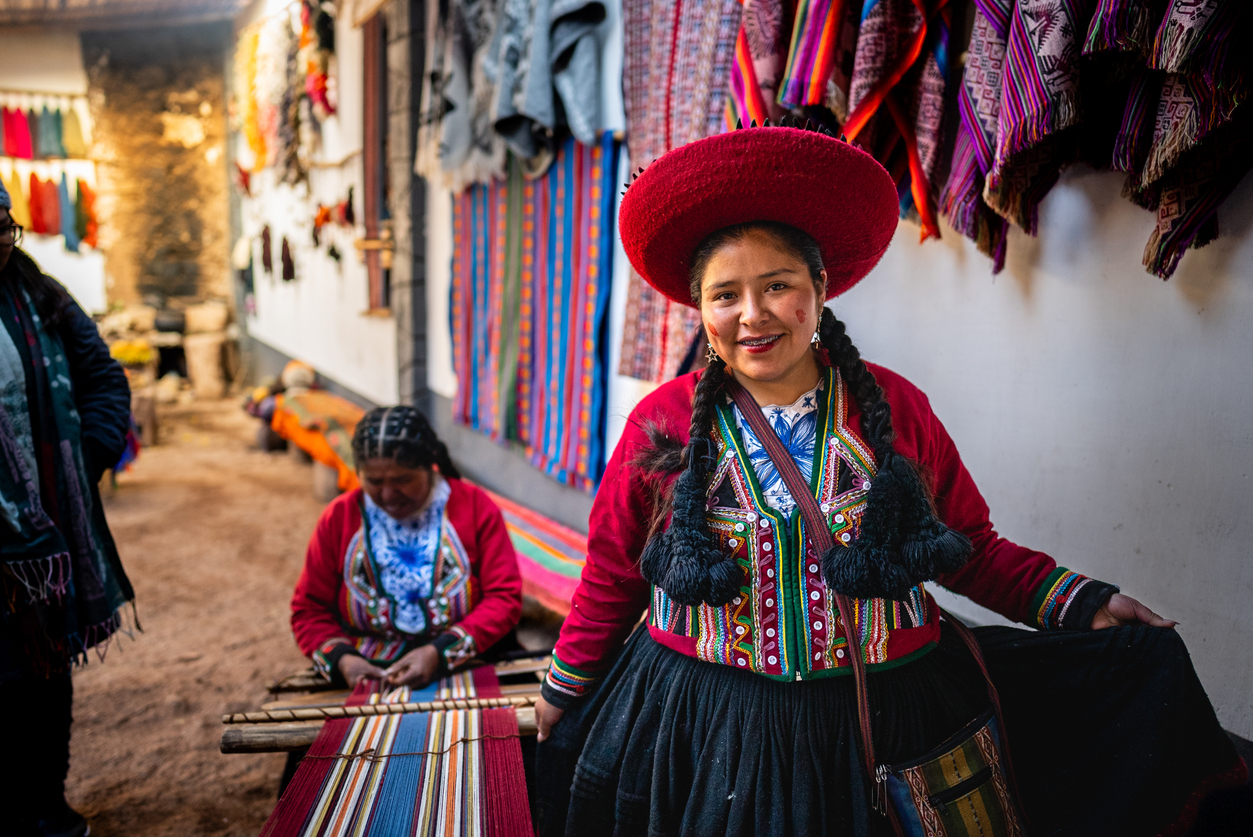
Nestled in the heart of Peru’s Sacred Valley, Chinchero is a hidden gem waiting to be discovered. Often called the “Birthplace of the Rainbow,” this small Andean village captivates with its vibrant landscapes and rich cultural heritage.
The village offers a unique blend of history and tradition. Its colorful market—often called the Chinchero market—is a treasure trove of handmade textiles and crafts, showcasing the skill of local artisans. Here, visitors can experience the authentic charm of Andean life, away from the bustling tourist crowds.
The village is a living testament to the fusion of Inca and colonial influences. Its archaeological site features ancient terraces and a colonial church adorned with stunning frescoes. This blend of cultures provides a fascinating glimpse into Peru’s complex history.
For adventure photographers, the area’s dramatic landscapes offer endless opportunities to capture breathtaking images. The snow-capped Andes and terraced fields create a stunning backdrop for any portfolio.
Cultural anthropologists will find Chinchero Peru a rich tapestry of living traditions. The local Quechua-speaking community maintains many age-old practices, offering insights into Andean culture and customs.
This town is more than just a destination; it’s a gateway to understanding the enduring legacy of Andean traditions.

Discovering Chinchero: The Birthplace of the Rainbow
The town’s allure begins with its breathtaking altitude. Perched at nearly 3,800 meters above sea level, it commands panoramic views of the Sacred Valley. This picturesque setting explains why it’s often called the “Birthplace of the Rainbow.”
The village pulsates with a vibrant energy. Visitors are greeted by charming cobblestone streets and adobe homes that whisper stories of the past. Each corner of the settlement holds potential for discovery and adventure.
Rich in history and culture, the town invites exploration through its colorful streets and plazas. This Andean village offers a wealth of unique experiences at every turn.
Explore the diverse opportunities available to visitors:
- Ancient terraces and archaeological sites
- Traditional weaving demonstrations by local women
- Vibrant, bustling market days filled with handmade crafts
The community is more than its stunning vistas. The heart and spirit of daily life shine through in cultural expressions. This village provides a window into a world where history, tradition, and natural beauty seamlessly merge, waiting to be captured or documented. Whether you’re seeking adventure or insights into ancient traditions, the destination offers a uniquely compelling experience.

The Chinchero Market: A Living Tapestry of Andean Life
The Chinchero market is a vibrant hub of activity. It offers a sensory feast for visitors seeking a taste of Andean culture. This bustling gathering takes place every Sunday, drawing locals and travelers alike.
A visit to the market immerses you in a rich tapestry of sights and sounds. Local artisans showcase their meticulously crafted goods, each item a testament to Andean craftsmanship. From vibrant textiles to intricate pottery, every piece tells a story.
In town, the market isn’t just a place to shop. It’s a space where the community comes alive, allowing visitors a rare glimpse into everyday life. Here, cultural exchanges happen naturally over shared smiles and stories.
Shopping at the market provides opportunities not only to purchase unique items but also to engage deeply with locals. Friendly vendors often pause to share insights about the traditions behind their crafts. This interaction enhances the authenticity of the experience.
When visiting Chinchero market, expect to find:
- Handwoven textiles with vivid patterns
- Detailed ceramics, perfect for home décor
- Fresh produce and local delicacies
Encounters in the market extend beyond mere transactions. They become memorable exchanges that connect visitors to the heart of Andean life. This living tapestry offers a personal look into the vibrant culture of this highland community, where tradition continues to weave the community together.

Weaving Traditions: The Artisans of Chinchero
Here, weaving is more than an art; it’s a cherished tradition. Local artisans use techniques passed down through generations, connecting them to their ancestors. This skill is a vital part of the community’s identity.
Women often lead the weaving process, skillfully crafting intricate designs on looms. They use vibrant, naturally dyed alpaca and sheep’s wool, creating textiles that reflect Andean life. Each pattern tells a unique story of cultural heritage.
Visitors can observe these talented artisans at work. It’s not only about watching; it’s an invitation to engage. Many workshops allow guests to learn basic weaving techniques, providing a hands-on cultural experience.
The community’s commitment to preserving these traditions is evident. Efforts are made to ensure future generations continue this craft. Local initiatives focus on teaching young artisans, keeping these weaving practices alive.
Through weaving, the community sustains a living connection to its past. This art form is a testament to the enduring spirit of the Andean people, celebrated in every vibrant stitch. Witnessing this craft offers deep insights into the cultural richness of the region.

Chinchero’s Archaeological Wonders: Inca and Colonial Heritage
This area is a treasure trove of archaeological wonders. Its rich history is etched into its landscapes. The Inca ruins are a must-see for anyone intrigued by ancient civilizations.
The village itself sits atop the remnants of an Inca city. Stone terraces weave around the town, showcasing the engineering prowess of the Inca. Each stone speaks to the precision and skill of the builders.
At the heart of town is the colonial church, a symbolic fusion of Spanish and Inca styles. Built on Inca foundations, it displays vivid frescoes. These paintings blend Christian iconography with indigenous symbols.
Explore the ruins to find a network of stone walls and staircases. These structures reveal the intricacies of Inca urban planning. The area invites you to envision life in this significant Inca center.
Key Highlights of Chinchero’s Archaeological Site:
- Terraces: Ingenious feats of agricultural engineering.
- Colonial Church: A stunning example of cultural convergence.
- Stone Walls: Testaments to Inca craftsmanship.
- Panoramic Views: Capture stunning vistas of the Andes.
- Historical Significance: Unveiling centuries of rich history.
The unique blend of Inca and colonial influences makes this a captivating destination. Its archaeological sites offer profound insights into two intertwined cultures. This heritage continues to intrigue and inspire all who visit.

Festivals and Rituals: Experiencing Andean Culture Firsthand
Visiting Chinchero during a festival provides a rare insight into Andean traditions. The village comes alive with music and dance. Traditional costumes fill the streets with vibrant color and life.
Each festival is a celebration of the Quechua heritage. Visitors witness unique rituals passed down through generations. These events are both joyous and deeply spiritual.
The most notable festivals often revolve around agricultural cycles. Local customs pay homage to the earth, reflecting the community’s deep respect for nature. Attendees become part of an ancient symbiotic relationship with the land.
Not-to-Miss Festivals in Chinchero:
- Tinkuy Festival: A vibrant coming together of communities.
- Pachamama Ceremony: A ritual honoring Mother Earth.
- Qoyllur Rit’i Festival: A stunning Andean pilgrimage.
- Carnival of Chinchero: A jubilant display of dances and traditions.
These gatherings offer a profound connection to Andean beliefs and lifestyle. By experiencing these events firsthand, visitors grasp the depth and beauty of the community’s cultural identity.

For Adventure Photographers: Capturing Chinchero’s Dramatic Landscapes
This region is a treasure trove for photographers. The village boasts jaw-dropping scenery in every direction. Snow-capped mountains and terraced fields create striking contrasts.
Early mornings here are magical. Mist shrouds the Andean peaks, creating ethereal landscapes. Light dances across vibrant, traditional architecture.
The golden hour is unrivaled. Soft sunlight enhances the village’s rich hues. Capturing these moments results in breathtaking images.
Beyond the streets, you’ll find diverse terrains. Hiking trails offer panoramic views of the Sacred Valley. Each step reveals a new photo opportunity.
Prime Photography Spots:
- Chinchero Terraces: Capture the beauty of ancient engineering.
- Colonial Church: Frame the intricate frescoes.
- Mountain Vistas: Showcase the majesty of the Andes.
- Local Markets: Highlight the vibrant colors of Andean crafts.
This destination presents endless opportunities to create stunning images. Its landscapes and culture promise to enrich any photographer’s portfolio.

For Cultural Anthropologists: Insights into Living Traditions
Cultural anthropologists will find this Andean village a captivating study site. It keeps many customs alive. Each interaction with the locals offers lessons in heritage.
Residents speak Quechua, the language of their ancestors. This living tradition is vital to their identity. Discovering this linguistic treasure adds depth to any research.
The village is a canvas of cultural expressions. From weaving to daily rituals, traditions flourish. These practices offer insights into an enduring way of life.
Annual festivals in the area celebrate Andean customs. Music, dance, and offerings to Pachamama showcase authentic communal values. Participate or observe to understand their cultural significance.
What to Explore:
- Weaving Demonstrations: Learn about ancient techniques from local artisans.
- Quechua Language: Engage in conversations to grasp cultural nuances.
- Traditional Ceremonies: Witness rituals maintaining their spiritual ties.
- Daily Life: Experience everyday practices in this vibrant community.
These living traditions are rich with stories waiting to be told. Each captures the essence of a resilient Andean culture.

Sustainable Tourism in Chinchero: Responsible Travel Matters
This highland town stands as a model for sustainable tourism in Peru. Here, visitors are encouraged to respect cultural and environmental heritage. The community actively promotes responsible travel practices.
Local initiatives focus on preserving local traditions. Supporting these efforts ensures that cultural practices thrive. Travelers play a key role by choosing eco-friendly options.
Visitors can engage in activities that benefit the local economy. Buying handmade crafts directly from artisans boosts livelihoods. This simple act supports both culture and community.
This commitment to sustainability benefits everyone. By choosing mindful ways to explore, travelers contribute to a brighter future. Supporting initiatives helps maintain the village’s unique identity.
Simple Ways to Practice Responsible Tourism:
- Shop Local: Purchase goods directly from artisans.
- Respect Sites: Follow guidelines at cultural and historic locations.
- Support Community Projects: Participate in workshops or local activities.
- Minimize Impact: Use resources wisely and leave no trace.
Planning Your Visit: Practical Tips for Exploring Chinchero Peru
A visit requires a bit of planning. Its location in the Sacred Valley makes it convenient from Cusco. Allocate at least a day to fully enjoy the village.
Consider traveling during the dry season, from May to September. This period offers clearer skies and better visibility. The rainy season might obscure some vistas.
Pack light but prepare for variable weather. Layers are ideal for shifting temperatures. Comfortable walking shoes will help you explore the terrain with ease.
Essential Tips for Visitors:
- Transportation: Use local buses or arrange private transport.
- Currency: Bring cash in small denominations for market purchases.
- Language: Basic Spanish is helpful; some locals speak Quechua.
- Hydration: Stay hydrated, especially at high altitudes.

Conclusion: Chinchero’s Enduring Legacy in the Sacred Valley
The town stands as a vibrant testament to Peru’s rich Andean culture. Its traditions, landscapes, and community offer a genuine glimpse into timeless ways of life.
Visitors are drawn to its authenticity and the meaningful connections they forge with the local people. As travelers depart, they carry a piece of this place with them, its enduring legacy resonating long after their journey ends.
Q&A
What is the Chinchero market like, and when should I visit it?
The Chinchero market is a vibrant Sunday gathering that immerses you in Andean life. Local artisans showcase handmade textiles and pottery, and you’ll also find fresh produce and local delicacies. It’s more than shopping—friendly vendors often explain the traditions behind their crafts, turning transactions into meaningful cultural exchanges. Bring cash in small denominations and be open to conversation to deepen the experience.
How are weaving traditions practiced in Chinchero, and can visitors participate?
Weaving here is a living heritage, often led by women who use naturally dyed alpaca and sheep’s wool to craft intricate textiles. Each pattern reflects stories of Andean life and identity. Visitors can watch artisans at work and join workshops that teach basic techniques, offering a hands-on window into the community’s past and present. Local initiatives also train younger generations, helping keep these practices alive.
What are the key highlights of Chinchero’s archaeological site and its cultural blend?
Chinchero sits atop an Inca city, with stone terraces, walls, and staircases that reveal remarkable engineering and urban planning. At its heart stands a colonial church built on Inca foundations, adorned with vivid frescoes that blend Christian imagery with indigenous symbols. Together, these features offer panoramic views and a powerful, side-by-side look at Inca ingenuity and colonial influence.
Which festivals and rituals should visitors look for, and what do they reveal about local culture?
Festivals in Chinchero are lively, spiritual celebrations of Quechua heritage, often tied to the agricultural calendar and reverence for nature. Not-to-miss events include the Tinkuy Festival (a gathering of communities), the Pachamama Ceremony (honoring Mother Earth), the Qoyllur Rit’i pilgrimage, and the Carnival of Chinchero. Through music, dance, and ritual, visitors witness the community’s deep ties to land, ancestry, and shared values.
How should I plan my visit and travel responsibly?
Allocate at least a day and aim for the dry season (May–September) for clearer skies. Use local buses or arrange private transport, dress in layers for variable mountain weather, wear comfortable walking shoes, bring small-denomination cash, and stay hydrated at the high altitude. Travel responsibly by shopping directly from artisans, respecting guidelines at cultural and historic sites, supporting community workshops or projects, and minimizing your environmental impact. Photographers will find magical light in early mornings and at golden hour, with standout spots at the terraces, colonial church, mountain vistas, and the market.