
Embark on a journey through Peru, a land where ancient history meets breathtaking landscapes. This 10-day itinerary is crafted for those seeking unique experiences. From the bustling streets of Lima to the serene heights of Machu Picchu, Peru offers a rich tapestry of culture and nature.
Consider this your Peru travel guide and Peru travel itinerary 10 days in length—designed to inspire Peru trip ideas while staying flexible. Think of it as 10 Days in Peru: The Ultimate Travel Itinerary for curious travelers. Use it as an ‘explore Peru itinerary’ template or adapt each day to your interests. This Peru travel itinerary covers Lima, the coast, the Andes, and the Amazon at a thoughtful pace. As a concise 10 day travel itinerary Peru travelers can adapt, it balances must-sees with downtime.
Adventure photographers will find endless inspiration in Peru’s diverse scenery. Capture the vibrant colors of local markets, the majestic flight of the Andean condor, and the mystical allure of the Amazon rainforest. Each day presents new opportunities to enrich your portfolio with stunning images.
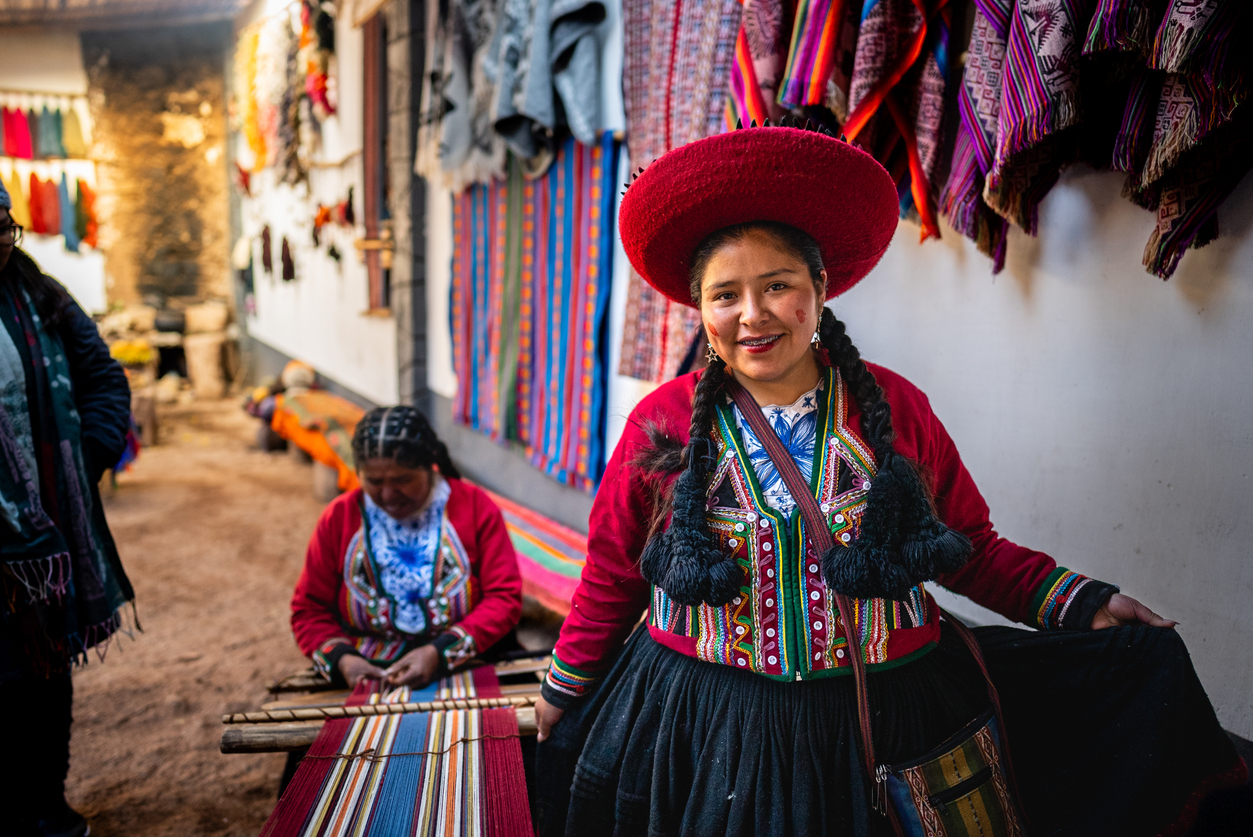
Cultural anthropologists will delve into Peru’s living traditions. Explore the intricate weaving techniques of the Quechua people, witness the spiritual significance of the Inti Raymi festival, and engage with communities preserving ancient customs. Peru’s cultural landscapes offer a wealth of knowledge for research and documentation.
This itinerary emphasizes sustainable travel, encouraging respect for local cultures and environments. By choosing responsible tourism, you contribute to the preservation of Peru’s natural and cultural heritage. Discover hidden gems and authentic experiences that go beyond the typical tourist paths.
Prepare for an unforgettable adventure. Whether you’re capturing the perfect shot or immersing yourself in local traditions, Peru promises a journey of discovery. Let this guide be your compass as you explore the wonders of this extraordinary country.

Why Visit Peru? A Land of Contrasts and Culture
Peru is a mosaic of wonders, where contrasting landscapes and rich cultures intertwine. From the soaring Andes to the lush Amazon, every corner of Peru tells a unique story. This diversity makes Peru a captivating destination for travelers seeking new experiences.
One of the world’s most diverse countries, Peru boasts more than just landscapes. It is a place where ancient cultures remain vibrant. Here, you can explore Incan ruins, colonial architecture, and vibrant indigenous markets, all within a single trip.
Peru’s cultural richness is reflected in its festivals and traditions. In the highlands, the Inti Raymi festival celebrates the Incan sun god. In coastal regions, Afro-Peruvian music pulsates with rhythm and history. Each region offers a different cultural flavor to savor.
Nature lovers will be captivated by Peru’s biodiversity. The Amazon rainforest, one of the most biologically diverse areas on Earth, offers glimpses of rare wildlife. Meanwhile, the coastal Paracas National Reserve teems with marine life, providing unique opportunities for exploration.
The nation’s culinary scene is equally diverse. Peruvian cuisine combines indigenous flavors with global influences. Dishes like ceviche and lomo saltado tantalize the taste buds, making Peru a must-visit destination for food enthusiasts.
So, why visit Peru? Here’s why:
- Explore diverse landscapes: Amazon, Andes, and coast.
- Experience unique cultural traditions and festivals.
- Enjoy rich biodiversity with rare wildlife.
- Savor diverse and delicious Peruvian cuisine.
Peru is more than just a destination; it’s an adventure for the senses.

Essential Travel Tips for Your 10 Day Peru Adventure
Embarking on a journey to Peru requires thoughtful preparation. Consider these key tips for a rewarding adventure.
First, plan around Peru’s varied climate. The coast, highlands, and jungle each offer a distinct weather pattern. Pack layers to accommodate temperature shifts, especially if traveling through diverse regions.
Altitude can be a challenge, particularly in the Andes. Allow time for acclimatization upon arrival. Drinking coca tea and staying hydrated can help mitigate altitude sickness.
Health considerations are important. Carry basic medications and a first aid kit. If exploring remote areas, consult a travel clinic regarding vaccinations or preventive medications.
Transportation in Peru can vary. While flights are efficient for long distances, buses are ideal for scenic routes. In cities, taxis and rideshare services offer convenience. However, always agree on fares beforehand.
Safety is paramount, especially in crowded areas. Keep valuables close and be vigilant. Engaging with local guides can enhance safety and enrich your understanding of the area.
Currency is also key to consider. The Peruvian sol is the official currency. While credit cards are widely accepted in urban areas, carrying cash is advisable for rural transactions.
Here’s what to remember for a smooth journey:
- Pack layers for climate variations.
- Acclimatize for altitude changes.
- Carry a travel health kit.
- Use a mix of transport modes.
- Stay alert for safety.
- Carry cash for local markets.
Finally, maintaining cultural respect enhances any travel experience. Learn basic Spanish phrases to connect with locals. A warm ‘hola’ or ‘gracias’ can open doors to genuine interactions.
Follow these guidelines to ensure your 10-day Peru adventure is both smooth and enriching.

Sustainable and Responsible Travel in Peru
Traveling responsibly in Peru is more than just a choice—it’s a necessity for preserving its rich culture and natural wonders. Sustainable practices ensure future generations can enjoy the same marvels.
Begin by selecting eco-friendly accommodations. Many lodges and hotels now prioritize sustainability, using renewable energy and recycling programs. Your choice can significantly impact the environment.
Support local economies by purchasing handicrafts directly from artisans. This not only promotes cultural preservation but also empowers communities. Opt for markets and local businesses instead of large chains.
When exploring natural sites, adhere strictly to conservation rules. Stay on designated paths to protect fragile ecosystems. Carry reusable water bottles and bags to reduce waste along your journey.
Community-based tourism initiatives offer authentic experiences while benefiting locals. Engage in programs that prioritize cultural exchange, where you learn from, and contribute to, the community.
Consider the following practices to minimize your impact:
- Choose accommodations committed to sustainability.
- Buy directly from local artisans.
- Follow rules at natural sites.
- Carry reusable items to reduce waste.
- Participate in community-based tourism.
- Respect local customs and traditions.
Finally, education is key. Learn about the cultural norms and environmental issues affecting areas you visit. By traveling with awareness, you’ll enrich both your experience and the communities you encounter. Sustainable travel in Peru is a journey that offers rewards to both travelers and the land.

The Ultimate 10 Day Travel Itinerary Peru: Overview
Embarking on a 10-day journey through Peru reveals a tapestry of landscapes and cultures. This itinerary combines iconic destinations with hidden gems, offering a glimpse of Peru’s diverse beauty. Each day brings new adventures that promise unforgettable memories for both photographers and cultural enthusiasts.
Your adventure begins in Lima, exploring the city’s vibrant neighborhoods before venturing to the Paracas and Ballestas Islands for a taste of Peru’s coastal allure. From there, uncover the ancient mysteries of the Nazca Lines and the surreal beauty of Huacachina’s desert oasis.
Further south, discover Arequipa’s colonial charm before heading to Colca Canyon for breathtaking Andean vistas. Travel to Lake Titicaca to experience the rich traditions of its island communities, then continue to Cusco, the historic heart of the Inca Empire.
The latter days take you through the Sacred Valley’s hidden sites, culminating in the awe-inspiring Machu Picchu at sunrise. Consider these highlights when planning your journey:
- Lima: Begin with cultural and culinary exploration.
- Paracas & Nazca: Wildlife and ancient mysteries.
- Arequipa & Colca Canyon: Volcanic landscapes and rich traditions.
- Lake Titicaca: Indigenous cultures and breathtaking views.
- Cusco & Sacred Valley: Inca heritage and community interaction.
- Machu Picchu: Unforgettable sunrise finale.
This itinerary offers a blend of popular sights and unique experiences, promising a comprehensive taste of Peru’s wonders.

Day 1: Arrival in Lima — Gateway to Peru’s Diversity
Your journey begins in Lima, the bustling capital of Peru. Upon arrival, you’ll feel the city’s vibrant energy. Lima is a mix of ancient history and modern flair.
Check into your accommodation, then take some time to unwind. Rest will prepare you for the adventures ahead. As evening descends, the city comes alive with lights and sounds.
Start by exploring the historic district, Lima’s heart and soul. Stroll through Plaza Mayor and admire the grand Cathedral. The area is a UNESCO World Heritage site, full of colonial architecture.
Don’t miss Larco Museum, where pre-Columbian treasures await discovery. It offers insight into Peru’s rich cultural tapestry. The museum’s pieces tell stories of ancient civilizations.
Lima is a culinary capital, making dinner a highlight. Delight in local dishes like ceviche or lomo saltado. The tastes reflect Peru’s diverse cultural influences.
Here are a few must-dos for your first day:
- Explore the Historic Center for its colonial charm.
- Visit the Larco Museum for a cultural deep dive.
- Savor a traditional Peruvian dinner in Miraflores or Barranco.
Lima serves as the perfect introduction to your Peruvian adventure. It sets the stage with its dynamic blend of old and new. Get ready for what is sure to be an incredible journey.

Day 2: Lima’s Hidden Corners — Street Art, Cuisine, and Local Life
Today, dive deeper into Lima’s soul by exploring beyond the usual tourist paths. This city has a vibrant street art scene. In the neighborhoods of Barranco and Callao, vibrant murals tell stories of community and resilience.
Begin your day with a walking tour in Barranco, a bohemian hub. The vibrant streets offer a perfect backdrop for photographers. Each alley and wall brims with colorful, expressive art.
Stop by the Bridge of Sighs, where history whispers in the air. The view is simply enchanting. Capture the moment and feel the area’s romantic vibe.
Lima is also a culinary playground with a pulse on traditional and modern flavors. Visit local markets like Mercado de Surquillo. Here, immerse yourself in the flavors and aromas of fresh produce and local delicacies.
Don’t miss trying tiradito, a ceviche cousin, or causa, a layered potato dish. Lima’s food scene will tantalize your taste buds. This exploration is a feast for all senses.
Engage in conversations with locals, who are often eager to share their stories. Their warmth is as memorable as the sights. This personal touch deepens your understanding of Lima’s diverse culture.
Here’s a quick guide for day two:
- Explore Barranco and Callao for street art.
- Visit the Bridge of Sighs.
- Savor local cuisine in traditional markets.
This day is about uncovering Lima’s vibrant, lesser-known charm. Let its hidden corners inspire you. Embrace the essence of a city that thrives on culture and community.

Day 3: Paracas & Ballestas Islands — Wildlife and Coastal Wonders
On the third day, set out early for the coastal town of Paracas, a mere three-hour drive from Lima. This tranquil seaside escape is renowned for its natural beauty and rich marine life. It’s a paradise for adventure photographers and nature lovers.
Upon arrival, embark on a boat tour to the Ballestas Islands. Often called the ‘Galápagos of Peru,’ these islands host an incredible range of wildlife. You’ll encounter colonies of sea lions basking under the sun and hear their playful barks.
As you glide past the rocky shores, look for the iconic Humboldt penguins. These charming creatures waddle gracefully along the island’s rugged terrain. Capture the dramatic, windswept landscapes that cradle this diverse ecosystem.
Keep your camera ready for the chance to spot bottlenose dolphins. Their lively presence adds an element of surprise to your journey. Wildlife thrives in this protected area, making every moment unforgettable.
After your tour, explore the Paracas National Reserve. Its desert landscapes contrast strikingly with the Pacific’s blue waves. Witness the postcard-perfect cliffs of the Cathedral, a famed geological formation.
Here’s a suggested itinerary for the day:
- Travel to Paracas from Lima.
- Take a boat tour to Ballestas Islands.
- Explore Paracas National Reserve.
This day blends the untamed beauty of nature with moments of serene observation. Paracas and its surroundings offer endless opportunities for captivating photographs. Let the coastal wonders of Peru leave an indelible impression on your journey.

Day 4: Nazca Lines & Huacachina Oasis — Ancient Mysteries and Desert Adventure
On the fourth day, delve into Peru’s ancient enigmas as you journey to the Nazca Lines. These massive geoglyphs etched into the desert have perplexed scientists and travelers alike for centuries. A short flight over the lines reveals shapes like the monkey, hummingbird, and spider, offering a bird’s-eye view of these mysterious designs.
The Nazca Lines are a UNESCO World Heritage site, and theories abound about their purpose—ranging from astronomical calendars to ceremonial pathways. As an adventure photographer, capturing these ancient symbols is a unique opportunity to link past and present through your lens.
After absorbing the ancient artistry of Nazca, continue to Huacachina. This unique desert oasis, surrounded by towering sand dunes, offers a stark contrast to the dry desert. It’s an ideal spot for adrenaline seekers to try sandboarding down the dunes or take a thrilling dune buggy ride.
In the evening, relish the tranquility of the oasis. Watch the sunset paint the sky in vibrant hues as reflections dance across the still waters. Capture this magical moment, a serene end to an adventurous day.
Here’s a proposed itinerary for Day 4:
- Fly over the Nazca Lines.
- Travel to Huacachina Oasis.
- Enjoy sandboarding and a dune buggy ride.
This day combines the intrigue of ancient civilizations with the exhilaration of desert exploration. Allow the allure of these unique landscapes to inspire your creativity and deepen your appreciation for Peru’s cultural and natural wonders.

Day 5: Arequipa — The White City and Its Volcanic Backdrop
On your fifth day in Peru, head to Arequipa, the ‘White City.’ This nickname originates from the stunning white sillar stone used in the construction of many historical buildings. Surrounded by three towering volcanoes, Arequipa offers both cultural and visual allure.
Begin your exploration at the Santa Catalina Monastery. This vibrant convent, with its vividly painted walls and intricate architecture, feels like a city within a city. It offers a glimpse into the monastic life that has thrived since the 16th century.
A short stroll from the monastery, visit the Arequipa Cathedral. This majestic structure spans one side of the Plaza de Armas and showcases an intriguing mix of baroque and neoclassical styles. The view from the bell towers is breathtaking, revealing the sprawling city and its volcanic guardians.
Save some time to explore the Yanahuara district. Known for its charming streets and sweeping views, it’s a favorite spot for both locals and photographers. Here, you can capture the iconic trio of volcanoes: El Misti, Chachani, and Pichu Pichu.
Cap the day with a taste of Arequipa’s renowned cuisine. Try the rocoto relleno, a local specialty. This stuffed pepper dish blends flavors that reflect Arequipa’s rich culinary heritage.
A recommended itinerary for Day 5 might include:
- Tour Santa Catalina Monastery.
- Visit Arequipa Cathedral.
- Explore Yanahuara for scenic views.
- Enjoy Arequipa’s culinary delights.
In Arequipa, history and nature coalesce beautifully, offering endless inspiration to capture through the lens of your camera.

Day 6: Colca Canyon — Condors, Culture, and Andean Vistas
Your journey through Peru continues to the awe-inspiring Colca Canyon. Twice as deep as the Grand Canyon, it offers dramatic landscapes that are a treat for both the eyes and the lens.
Begin the day with an early morning visit to the Cruz del Condor viewpoint. Here, giant Andean condors soar majestically through the canyon, providing perfect opportunities for capturing breathtaking images.
Beyond its natural beauty, Colca Canyon is rich in cultural history. Visit the quaint village of Chivay, where ancient Andean traditions persist. The locals, dressed in vibrant attire, maintain customs that have been passed down through generations.
Take a leisurely walk through the terraces that line the canyon walls. These ancient agricultural sites, still used today, showcase impressive engineering skills and offer insights into pre-Incan agricultural practices.
In the afternoon, soothe your senses at the nearby hot springs. The warm waters provide relaxation and offer stunning views of the surrounding peaks, creating a serene environment perfect for unwinding.
Sample local flavors by trying chupe de camarones, a creamy shrimp chowder that’s a staple in the region. Enjoy the experience of dining while surrounded by such majestic scenery.
Suggested itinerary for Day 6 includes:
- Watching condors at Cruz del Condor.
- Exploring Chivay and its cultural heritage.
- Walking along ancient terraces.
- Relaxing at the hot springs.
- Savoring local Colca Canyon cuisine.
Colca Canyon is more than a visual wonder; it’s a place where culture and nature blend, offering unmatched experiences.

Day 7: Lake Titicaca — Floating Islands and Indigenous Traditions
Today, your adventure takes you to Lake Titicaca, the highest navigable lake in the world. Its vast blue expanse is dotted with unique floating islands constructed from totora reeds.
Begin your exploration with a boat trip to the Uros Islands. These floating islands are home to the Uros people, who have preserved their way of life for centuries. As you walk on these reed islands, you’ll marvel at their ingenious construction and the resilience of their inhabitants.
Engage with the local communities to understand their customs and traditions. The Uros women, clad in colorful clothing, might demonstrate their traditional weaving skills. This creates an excellent opportunity for captivating cultural photography.
Continue to the island of Taquile, known for its rich textile art. Here, the men knit while the women weave, producing some of the finest textiles in Peru. This island offers a tranquil setting with panoramic views of the lake.
Taste local cuisine, such as quinoa soup, while enjoying a view of Bolivia’s Cordillera Real in the distance. The simple, yet hearty, meal reflects the island’s agricultural practices.
End the day with a hike up to a viewpoint for sunset. As the sun dips below the horizon, casting a golden hue over the lake, it’s a moment worth capturing.
Activities for Day 7:
- Visit the Uros floating islands.
- Engage with local Uros communities.
- Explore the island of Taquile.
- Enjoy traditional Peruvian food.
- Hike to a sunset viewpoint.
Lake Titicaca’s serene beauty and the vibrant traditions of its people make for an unforgettable day.

Day 8: Cusco — Inca Heritage and Colonial Charm
Arriving in Cusco, you’ll immediately sense its historic grandeur. This city was once the heart of the Inca Empire and remains a cultural hub.
Start your day at the Plaza de Armas, a vibrant square framed by colonial architecture. Here, you can explore the Cusco Cathedral, which blends Incan and Spanish influences.
Wander through the cobblestone streets of the San Blas neighborhood. This artisan district is filled with craft shops, galleries, and local eateries. It’s a wonderful place to capture the city’s artistic spirit.
Head to the Korikancha temple, originally dedicated to the sun god, Inti. Spanish colonizers built the Santo Domingo Church over its foundation, illustrating the city’s layered history.
Indulge in local cuisine at lunchtime, perhaps savoring dishes like alpaca steak or quinoa salad. The fusion of traditional and modern flavors embodies Cusco’s dynamic culinary scene.
In the afternoon, visit the ancient site of Sacsayhuamán on the city’s outskirts. The massive stone walls here are a testament to Incan engineering.
End your day with a leisurely walk, absorbing the city’s unique energy. Don’t miss the chance to capture the intricate street art that narrates tales of Cusco’s past and present.
Activities for Day 8:
- Explore Plaza de Armas and Cusco Cathedral.
- Visit the San Blas neighborhood.
- Discover the Korikancha temple.
- Enjoy traditional Andean dishes.
- Tour Sacsayhuamán.
Cusco’s rich tapestry of history and culture will leave an indelible mark on your journey through Peru.

Day 9: Sacred Valley — Hidden Inca Sites and Local Communities
Embark on an enriching excursion into Peru’s Sacred Valley, known for its stunning vistas and Inca ruins. This area offers an immersive cultural and historical experience.
Begin your journey in Pisac, a charming village with a bustling market. Here, you can find handmade crafts and textiles, perfect for those seeking authentic souvenirs.
Nearby, explore the Pisac Archaeological Park. The terraced hillsides and ancient structures showcase the ingenuity of Inca builders. These sites provide compelling backdrops for striking photographs.
Next, head to Ollantaytambo, a town that retains its original Inca layout. The massive fortress here is a testament to the valley’s strategic significance. Climb its steep terraces for a panoramic view that shouldn’t be missed.
Spend your afternoon with a local Quechua community. Participate in traditional weaving or farming activities. These interactions offer insight into the valley’s living heritage.
Savor a locally-prepared meal featuring regional specialties. Dishes often use native ingredients like corn and potatoes, highlighting Andean culinary traditions.
Complete your day by visiting the Maras salt mines or the Moray agricultural terraces. These sites reveal the ingenuity and adaptive techniques of the Inca civilization.
Activities for Day 9:
- Visit Pisac market and archaeological park.
- Explore Ollantaytambo fortress.
- Engage with a Quechua community.
- Tour Maras or Moray.
The Sacred Valley invites you to delve into Peru’s past and present, leaving you with a deeper appreciation for its cultural richness.

Day 10: Machu Picchu — Sunrise at the Lost City
Your final day in Peru is devoted to Machu Picchu, the iconic Lost City of the Incas. This UNESCO World Heritage site is a pinnacle of human achievement set amidst a breathtaking landscape.
Start early to witness sunrise over Machu Picchu. The morning light illuminating the ancient stonework is a spectacle few words can capture. Photographers will find this moment unparalleled.
Arrive via the Inca Trail or by train from Aguas Calientes. Each route offers unique views, blending adventure with anticipation.
Once inside, a local guide can enhance your visit with tales of the Incas. Learn about their architectural genius and spiritual beliefs that informed the layout of the city.
Wander through the Sun Gate, explore the Temple of the Sun, and climb Huayna Picchu for a bird’s-eye view of the area. Each vantage point offers a different perspective, both physically and metaphorically.
Consider the llamas grazing against the stunning backdrop. These animals add a touch of life to the storied ruins, creating dynamic photo opportunities.
Conclude your visit by reflecting on the harmony between this ancient city and its natural surroundings. The echoes of the past resonate as you make your descent.
Activities for Day 10:
- Witness sunrise at Machu Picchu.
- Explore iconic structures: Temple of the Sun, Sun Gate.
- Take optional Huayna Picchu hike.
- Capture the site through photography.
The magic of Machu Picchu is not just in its stones but in the stories they tell and the memories they create.

Alternative Routes: Amazon Rainforest, Kuelap, and Chachapoyas
For those craving adventure, Peru offers paths less traveled. Consider including the Amazon Rainforest, Kuelap, and Chachapoyas in your itinerary.
Begin with the Amazon Rainforest, one of the planet’s most biodiverse regions. Access this lush wonderland via Iquitos or Puerto Maldonado. Immerse yourself in its dense greenery and vibrant wildlife through guided river tours or jungle hikes.
Next, venture to the spectacular fortress of Kuelap in the Chachapoyas region. Often compared to Machu Picchu, Kuelap offers an equally impressive yet less crowded experience. These ancient walls whisper stories of a civilization known as the ‘Warriors of the Clouds.’
Continue exploring Chachapoyas, where cultural richness meets natural beauty. The town serves as a gateway to Gocta, one of the tallest waterfalls in the world. The hike to this cascade rewards trekkers with awe-inspiring scenery.
Engage with the local Chachapoyan community for a deeper understanding of their traditions. The warmth of their hospitality is as enriching as the region’s history.
While venturing off the beaten path, sustainability remains crucial. Support local guides and businesses to ensure your visit benefits the communities you encounter.
Alternative exploration routes in Peru:
- Experience the Amazon’s unique ecosystem through eco-friendly tours.
- Discover Kuelap’s ancient architecture and mysterious past.
- Hike to Gocta Falls for breathtaking panoramic views.
These alternative routes promise unforgettable experiences that blend culture, nature, and history in a way that popular destinations often can’t rival.
Off-the-Beaten-Path Peru: Hidden Gems for Photographers & Anthropologists
Peru beckons those who venture beyond the usual trails. Hidden gems await photographers and cultural anthropologists eager for discovery.
Begin your journey at the Cordillera Blanca, an ideal spot for capturing dramatic landscapes. This Andean range offers pristine alpine vistas that shift with every hour of the day. Trekkers often regard it as a heaven for adventure photographers.
Next, delve into the mysteries of the Chachapoyas region. Here, the fortress of Kuelap stands as a testament to a once-thriving civilization. Its history invites anthropologists to explore the cultural layers waiting to be uncovered.
The Amazon Rainforest, another hidden treasure, teems with unique flora and fauna. Photographers will appreciate its vibrant, untouched beauty. The stories of indigenous communities add a rich cultural tapestry to the vibrant setting.
Further south, explore the quiet city of Ayacucho, known for its Semana Santa festivities. Experience vibrant celebrations and immerse yourself in tradition-rich streets. This less-traveled path offers insight into the enduring Peruvian customs.
In your quest, sustainability is key. Make intentional choices that respect and preserve these destinations. Work with local guides who have intimate knowledge of their homeland.
Consider these hidden gems:
- Cordillera Blanca for stunning Andean photography.
- Kuelap in the Chachapoyas region for historical exploration.
- The Amazon Rainforest for diverse ecosystems.
- Ayacucho for its cultural vibrancy.
These lesser-known spots offer more than scenic beauty; they provide a glimpse into Peru’s soul through its diverse natural and cultural heritage.

Cultural Encounters: Festivals, Markets, and Living Traditions
Peru’s cultural tapestry is as diverse as its landscapes. Each encounter offers a unique glimpse into the country’s soul. Experience the vibrant festivals that color cities and villages with tradition and joy.
Inti Raymi, celebrated in Cusco, is one of the most enchanting festivals. This Incan festival of the sun invites you to witness ancient rituals. Participants in vibrant costumes perform dances that echo the past.
Markets brim with life, offering insights into local traditions. San Pedro Market in Cusco is bustling with sights and scents. Here, local vendors sell everything from vibrant textiles to exotic fruits.
Each region has unique music and dances that capture its essence. The highlands are alive with the sounds of Andean flutes. Coastal areas add a different beat with their Afro-Peruvian influences.
The artisans of Peru maintain age-old crafts passed through generations. Visit the village of Pisac for intricate silver jewelry or fine textiles. These handcrafted goods reflect the artisans’ connection to their heritage.
Peruvian cuisine brings together indigenous, Spanish, and global influences. A visit to Lima offers an explosion of flavors, from ceviche to hearty stews. Culinary experiences are essential for understanding the country’s rich culture.
Embrace these experiences:
- Attend the Inti Raymi festival in Cusco.
- Explore vibrant markets like San Pedro Market.
- Discover diverse music and dance traditions.
- Visit Pisac for artisan crafts.
- Savor diverse Peruvian cuisine in Lima.
By engaging with these cultural encounters, you gain deeper insights into Peruvian life. The traditions, the people, and the colors of this country enrich your journey.
Adventure Activities: Trekking, Wildlife, and Unique Landscapes
Peru is an adventure seeker’s paradise. Its diverse landscapes beckon with countless thrilling activities. From trekking in the Andes to exploring jungle wildlife, the adventures are endless.
The Inca Trail is the most famous trek. This four-day journey leads you through breathtaking vistas to Machu Picchu. However, many lesser-known trails offer solitude and stunning scenery.
The Cordillera Blanca is another trekking gem. Its snow-capped peaks are a trekker’s dream. Hike through this majestic range to uncover hidden alpine lakes and untouched nature.
Peru’s diverse wildlife also captivates adventurers. The Amazon Rainforest is teeming with life. A guided tour offers glimpses of monkeys, colorful birds, and elusive jaguars.
Coastal regions host unique ecosystems. The Ballestas Islands, often called ‘Peru’s Galapagos,’ thrive with sea lions and penguins. Take a boat tour to get close to this vibrant marine life.
Unique landscapes in Peru offer endless exploration. The Rainbow Mountain dazzles with its layered hues of sandstone. Its striking colors make for a memorable climb and an unforgettable sight.
To make the most of your adventure pursuits:
- Trek the Inca Trail to Machu Picchu.
- Explore the Cordillera Blanca’s hidden paths.
- Discover Amazonian wildlife on a rainforest tour.
- Visit the Ballestas Islands for marine life.
- Climb Rainbow Mountain for incredible views.
These activities promise exciting experiences. They showcase Peru’s natural beauty and diversity. Embrace the adventure and immerse yourself in Peru’s wild heart.

Practical Peru Travel Guide: Visas, Safety, and Packing Tips
Planning a trip to Peru involves practical details. Understanding visa requirements and safety measures ensures a smooth journey. Organizing your packing list helps prepare for Peru’s diverse climate.
For most travelers, visas are not required for stays up to 90 days. Always check current visa policies before departure. A valid passport with at least six months of validity is essential.
Safety is a top priority during travel. Peru is generally safe, but be mindful in crowded areas. Keep valuables secure, and use caution with personal belongings.
Healthcare in Peru varies by region. In larger cities, medical facilities are reliable. Travel insurance is recommended for peace of mind. This covers unexpected medical expenses and trip disruptions.
Packing wisely for Peru is crucial. The climate varies widely with altitude and region. Layered clothing is best for adjusting to temperature changes.
Essential items for your Peru adventure include:
- Sturdy hiking boots for trekking.
- Lightweight rain gear for unexpected showers.
- A good-quality camera for capturing stunning landscapes.
Additional recommended items:
- Insect repellent for jungle areas.
- Sunscreen and a wide-brimmed hat for sun protection.
- A reusable water bottle to stay hydrated and reduce plastic waste.
These preparations enhance your travel experience. Proper planning ensures you can focus on the wonder and beauty of Peru. Embrace the journey, and make the most of your time exploring this diverse country.
Frequently Asked Questions: 10 Day Travel Itinerary Peru
Planning your trip to Peru might raise questions. Below, we answer some of the most common inquiries for travelers embarking on a 10-day adventure.
How do I adjust to Peru’s altitude?
Altitude sickness can impact visitors in high-altitude areas like Cusco and Lake Titicaca. To help acclimatize, drink plenty of water, take it slow on your first day, and consider trying coca tea.
What is the best time to visit Peru?
The ideal time to visit Peru is during the dry season, from May to September. This period offers pleasant weather for trekking and exploring outdoor sites. However, visiting during the wet season may mean fewer crowds and lush landscapes.
How can I get around in Peru?
Peru’s vast geography can be navigated via buses, trains, and domestic flights. For shorter distances, taxis and rideshare services are reliable. Long-distance buses and train services offer a chance to appreciate Peru’s stunning scenery.
Here’s a quick checklist of what to pack:
- Lightweight clothing for humid areas
- Warm layers for cooler regions
- Basic medical kit and travel insurance
Knowing the answers to these FAQs can smooth the way for a fulfilling and rewarding trip to Peru.
Final Thoughts: Crafting Your Own Peru Travel Itinerary
Crafting a travel itinerary tailored to your interests ensures a rich experience in Peru. Start by identifying the destinations that resonate most with your travel goals. Consider the time each location requires to fully appreciate its unique features.
Days eight to ten of this plan exist as a single booking. Our five day Machu Picchu package from Cusco covers the city, the Sacred Valley and the citadel. Then it adds a day for Rainbow Mountain or Humantay Lake.
Balance your itinerary with a mix of popular attractions and hidden gems. This approach allows you to enjoy the renowned sites, while also exploring Peru’s off-the-beaten-path wonders. Investing time in lesser-known spots can lead to unexpected discoveries.
For an itinerary that aligns with responsible tourism, focus on sustainable travel options. Support local businesses and communities, respect cultural traditions, and minimize your environmental footprint as you explore.
Here’s a quick outline to keep in mind:
- List places of interest and organize by priority
- Allow flexibility for spontaneity and local insights
- Incorporate sustainable travel practices
By thoughtfully crafting your itinerary, you’ll create a journey that is not only memorable but also deeply fulfilling. Peru’s vast landscapes and rich cultures are waiting to captivate and inspire you. Enjoy the journey of a lifetime!
Q&A
What regions and highlights does this 10-day Peru itinerary cover?
The route is designed as a flexible template that moves at a thoughtful pace through Peru’s major regions: coast, highlands, and (optionally) the Amazon. You’ll start in Lima for history and cuisine, then head south to Paracas and the wildlife-rich Ballestas Islands, continue to the Nazca Lines and the Huacachina desert oasis, and move on to Arequipa and the dramatic Colca Canyon. From there, you’ll explore Lake Titicaca’s island cultures before arriving in Cusco for Inca and colonial heritage, with a full day in the Sacred Valley, and a sunrise finale at Machu Picchu. Optional extensions include the Amazon (Iquitos or Puerto Maldonado), Kuelap, and the Chachapoyas region.
How does this itinerary help with altitude and logistics?
The sequence eases you in by starting at sea level on the coast before ascending to the Andes, which can support acclimatization. Build in easy days as you reach higher elevations, hydrate, and consider coca tea as suggested. Logistically, use flights for long distances, scenic buses for overland segments, and taxis/rideshares in cities (agree on fares beforehand). The guide also recommends packing layers for variable climates, carrying a basic health kit, staying alert with valuables, and keeping some cash on hand alongside cards.
How can I travel more sustainably on this trip?
The guide emphasizes choices that preserve culture and nature: stay in eco-minded lodgings, buy directly from artisans to support local economies, follow conservation rules and stay on marked trails, carry reusables to cut waste, and opt into community-based tourism that centers cultural exchange and benefits locals. Learning about regional norms and environmental issues before you arrive deepens respect and reduces negative impacts while enriching your experience.
I’m a photographer or cultural anthropologist—what makes this plan a good fit?
Each day offers rich visual and cultural material. Photographers can capture Lima’s street art (Barranco, Callao), Ballestas wildlife (sea lions, penguins), Nazca geoglyphs, Huacachina’s dunes, Arequipa’s sillar architecture and volcano views, soaring condors in Colca, Titicaca’s golden sunsets, the textures of the Sacred Valley, and Machu Picchu at sunrise. Cultural anthropologists can engage with living traditions: Quechua weaving in the Sacred Valley, island life on Uros and Taquile, vibrant markets like San Pedro in Cusco, and festivals such as Inti Raymi. Off-the-beaten-path additions—like Kuelap, Chachapoyas, Ayacucho, or the Amazon—offer further depth.
Can I tailor or extend the itinerary to my interests?
Yes—this is a template you can adapt. Swap emphasis based on what you value most (e.g., add a day in Cusco’s museums, spend longer in Colca, or include more market time). For extensions, the guide suggests the Amazon (eco-tours from Iquitos or Puerto Maldonado), Kuelap’s mountaintop fortress, Chachapoyas and the Gocta waterfall, or mountain photography in the Cordillera Blanca. As you adjust, keep the sustainable travel principles in mind and allow flexibility for local insights and spontaneous discoveries.
Q&A
When is the best time to follow this 10-day Peru itinerary, and how does weather affect it?
The dry season (May–September) is ideal for trekking and outdoor sites like Colca Canyon, Lake Titicaca, and Machu Picchu, offering clearer skies and easier logistics. The wet season brings lusher landscapes and fewer crowds but more rain, especially in the Andes and Amazon. Because Peru’s coast, highlands, and jungle each have distinct climates, pack layers and plan for quick weather shifts as you move between regions.
How does this itinerary handle altitude, and what can I do to acclimatize?
It starts at sea level (Lima, Paracas, Nazca) before gradually ascending to the Andes (Arequipa, Colca, Titicaca, Cusco, Sacred Valley, Machu Picchu), which helps your body adjust. Once at elevation, take it easy the first day, hydrate well, and consider coca tea. Building in rest and moving at a thoughtful pace are key to minimizing altitude sickness.
What’s the recommended way to get around between these destinations?
Use a mix of transport: domestic flights are efficient for long distances, scenic buses work well for overland stretches, and trains serve select routes. Within cities, taxis and rideshares are convenient—just agree on fares beforehand. This combination balances time, budget, and views while letting you appreciate Peru’s varied landscapes.
What sustainable and responsible practices should I follow on this route?
Choose eco-minded stays, buy directly from artisans to support local economies, and follow conservation rules—stay on marked paths, pack out waste, and carry reusable bottles and bags. Opt for community-based tourism that centers cultural exchange and benefits locals, and learn about regional customs and environmental issues before you go. Traveling with awareness protects Peru’s heritage and deepens your experience.
What should I pack for a 10-day trip that spans the coast, Andes, and (optionally) the Amazon?
Prioritize adaptable layers: breathable clothing for warm/coastal or jungle days and warmer layers for high-altitude mornings and nights. Bring sturdy hiking boots, lightweight rain gear, sunscreen, a wide-brimmed hat, insect repellent (for jungle/coastal areas), and a reusable water bottle. Add a basic medical/first-aid kit, travel insurance details, a good camera, and some cash alongside cards for rural markets.